From August 20 to 21, Nanjing University held the symposium on "Forging Ahead Initiative 2030" at the Xianlin Campus. The symposium focused on in-depth discussions and systematic planning regarding the high-quality development of the university during the 15th Five-Year Plan period. It also deliberated on key tasks for the new semester. Tan Tieniu, Chair of NJU CPC Council and Academician of the Chinese Academy of Sciences, together with Tan Zhemin, President of NJU and Academician of the CAS addressed the meeting.
Tan Tieniu pointed out that "Forging Ahead Initiative" had been an overarching approach to put into practice the spirit of General Secretary Xi Jinping's important reply letter. Over the past three years of implementing "Forging Ahead Initiative", the university has made steady progress in all fields, achieving significant phased results. By delivering hard-earned achievements, a gratifying response to General Secretary Xi Jinping, the CPC Central Committee, and the broader expectations of faculty, students, and alumni has taken shape, thus advancing the endeavor of building NJU as a Chinese institution of global excellence. Facing new situations and requirements, "Forging Ahead Initiative 2030" must serve as a tool to further inspire unity, strive for progress, take action, and adapt to evolving circumstances, with the aim of gradually turning the grand blueprint of "the Unique Nanjing University" into reality. This ensures that the university assumes national responsibilities as a major force in scientific and educational strategy. He also proposed key requirements to better push forward with the planning and implementation of "Forging Ahead Initiative 2030".
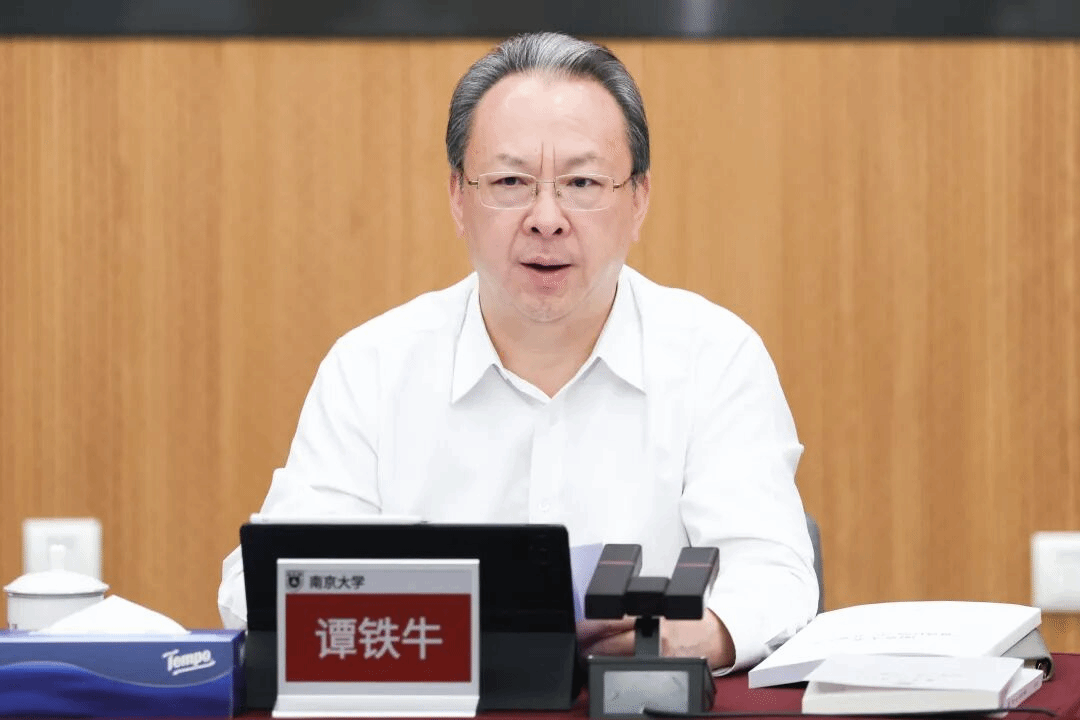
Tan Zhemin highlighted that the symposium discussed each of the 15 special action plans under "Forging Ahead Initiative 2030", achieving fruitful results. Since its initiation, "Forging Ahead Initiative" has yielded notable outcomes in discipline development, talent cultivation, scientific research, social services, and stringent party governance, with various foundational and innovative milestones evident nationwide. Facing new challenges, participants conducted in-depth deliberations and bold innovations surrounding "Forging Ahead Initiative 2030", laying a solid foundation for the finalization of the plan. He also emphasized that significant room for improvement remains, and put forward specific requirements for improving the implementation of "Forging Ahead Initiative 2030". A more thorough understanding of systemic issues is necessary, along with enhanced plan polishing and quality elevation. Organic linkage between action plans and practical tasks must be fortified, while the key tasks for the new semester need further meticulous consideration.
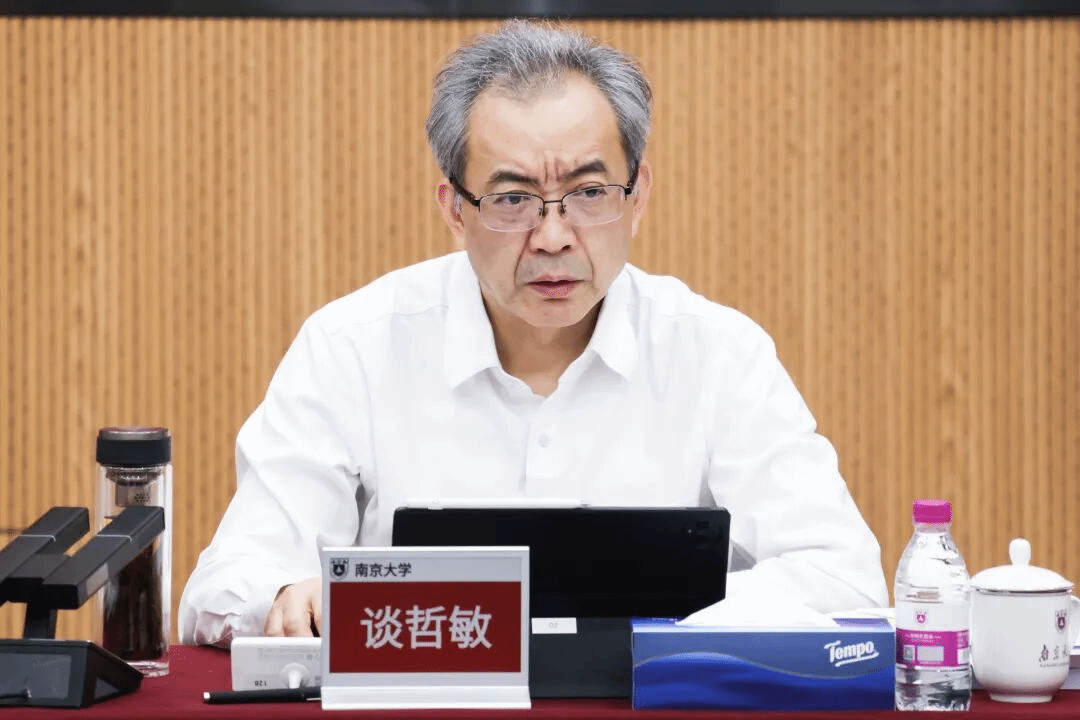
The symposium centered on the 15 specialized action plans within the "Forging Ahead Initiative 2030." Reports were presented and in-depth discussions conducted. University leaders focused on aspects such as strengthening comprehensive party leadership, fostering moral education, enhancing undergraduate education, advancing discipline construction, building world-class faculty, promoting independent technological advancement, enhancing liberal arts, narrating NJU and China's stories, expanding resource allocation for campus development, empowering graduate education with innovation, ensuring resource support, improving internationalization, implementing digital intelligence, and advancing governance modernization. During the discussions, points of excellence from the past three years, current situations and challenges, overarching objectives, key tasks and measures, and organizational guarantees were analyzed.


