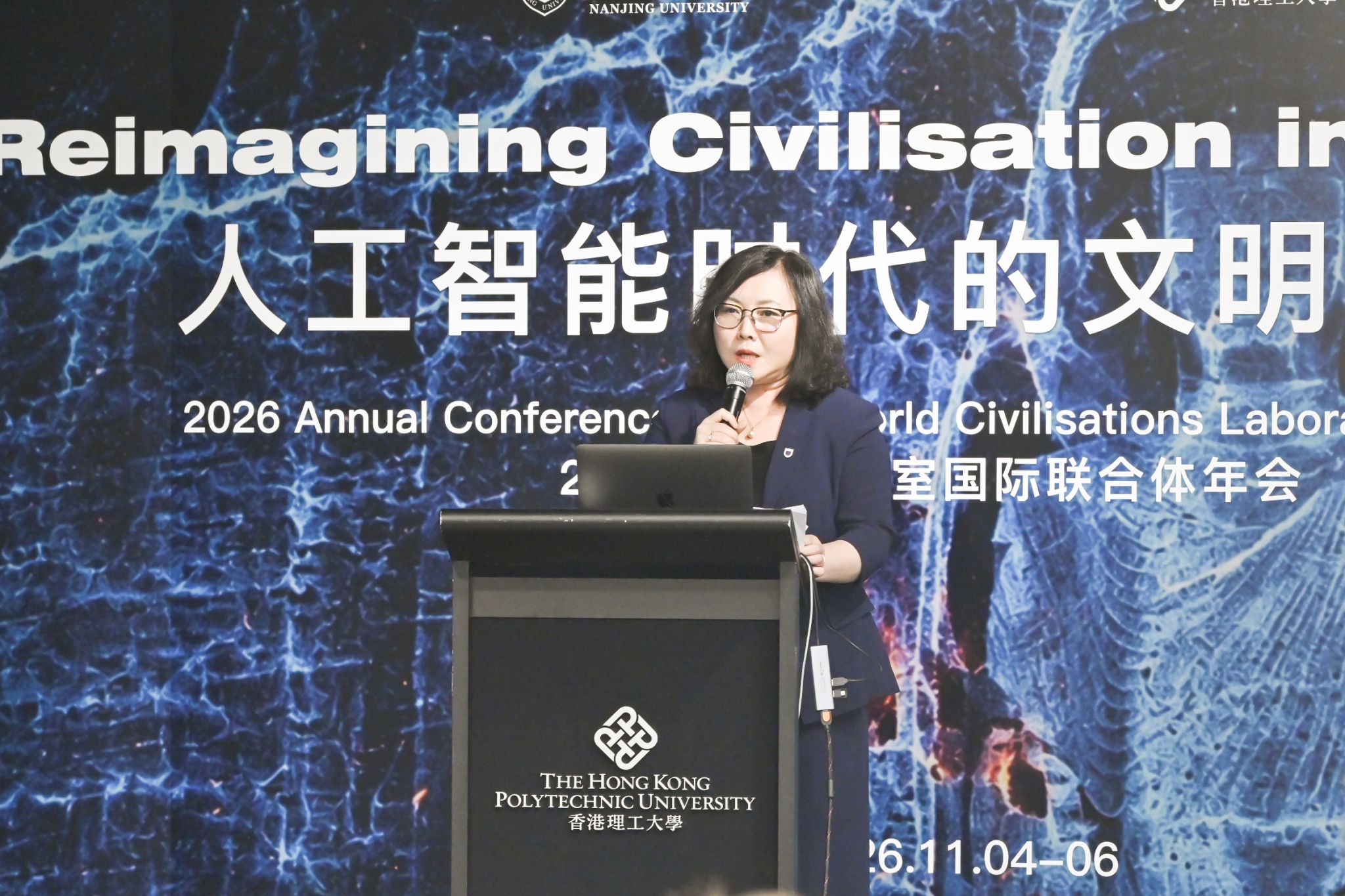
From November 4 to November 6, 2026, the 2026 Annual Annual Meeting of the World Civilisation Laboratory Consortium was held at The Hong Kong Polytechnic University. The theme of the conference was "Reimagining Civilization in the AI Era: Digital Future, Cultural Heritage, and the Perspectives of the Global South." Experts and scholars from over 20 universities and research institutions in 10 countries and regions engaged in in-depth discussions on the reshaping of civilization concepts in the AI era and exploring new paths for the digital development of cultural heritage in the Global South. Tan Zhemin, President of NJU and Academician of the Chinese Academy of Sciences; Huang Yongde, Vice President and Provost of The Hong Kong Polytechnic University Huang Yongde; and Tan Zhiyuan, Executive Director of Corporate Affairs at The Hong Kong Jockey Club attended the opening ceremony and delivered speeches.
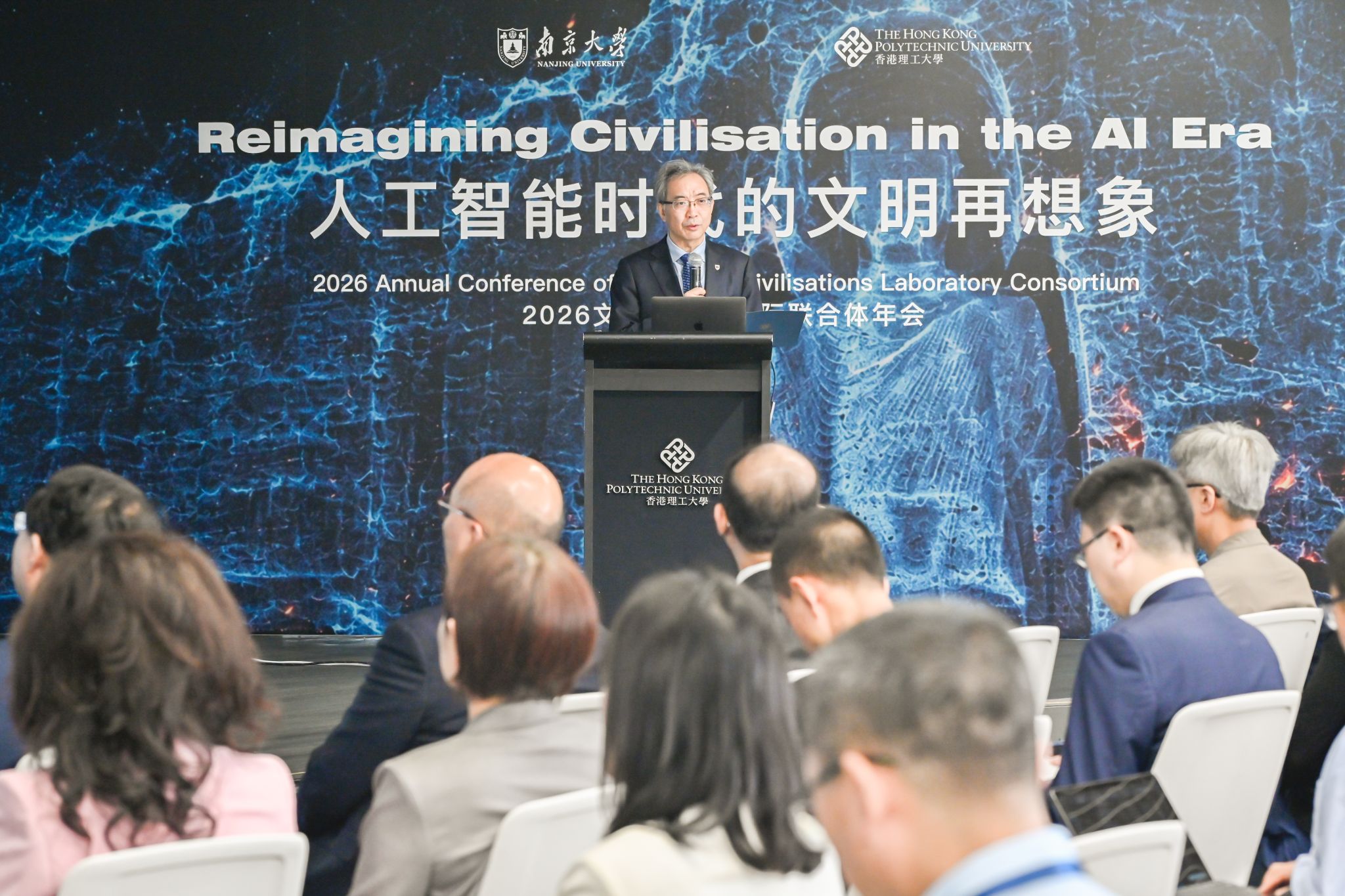
Tan Zhemin stated that the development of technology enhances humanity's ability to understand the world while also raising new academic questions about how civilization is recorded, understood, and disseminated. NJU integrates interdisciplinary advantages to open up new academic spaces for civilization studies; connects academic research with conservation practices to infuse new vitality into the inheritance of civilization; and deepens open collaboration to bring together new forces for interaction and mutual learning. NJU looks forward to working with consortium members to promote resource sharing, academic exchange, and the cultivation of young talent, particularly by combining cultural heritage collaborations and capacity building in the Global South, supporting local institutions and researchers, and facilitating mutual engagement and benefits. The university also seeks to deepen connections with universities in Hong Kong and international partners to jointly expand opportunities for civilization study and exchange.
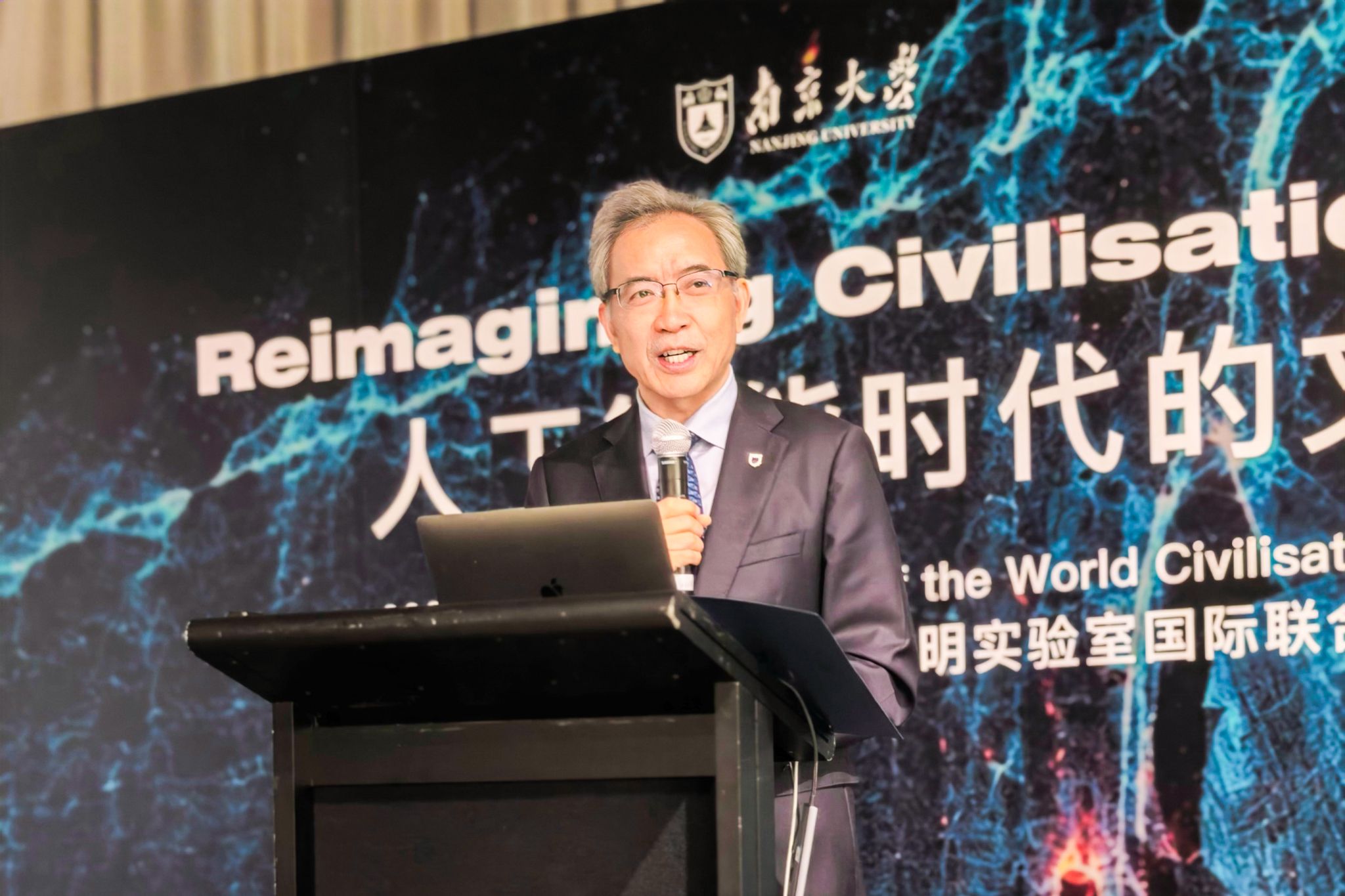
Huang Yongde emphasized that civilization is not only a memory of history and a deposit of culture but also a vital bridge for mutual understanding and dialogue among societies. Artificial intelligence provides unprecedented new tools and methods for civilization studies, pushing scholars to consider the ethical responsibilities, cultural values, and societal implications of technology from a humanities perspective. This annual conference showcases the solid cooperation between NJU and The Hong Kong Polytechnic University and embodies the shared vision of institutions in Chinese Mainland and Hong Kong to promote academic innovation.
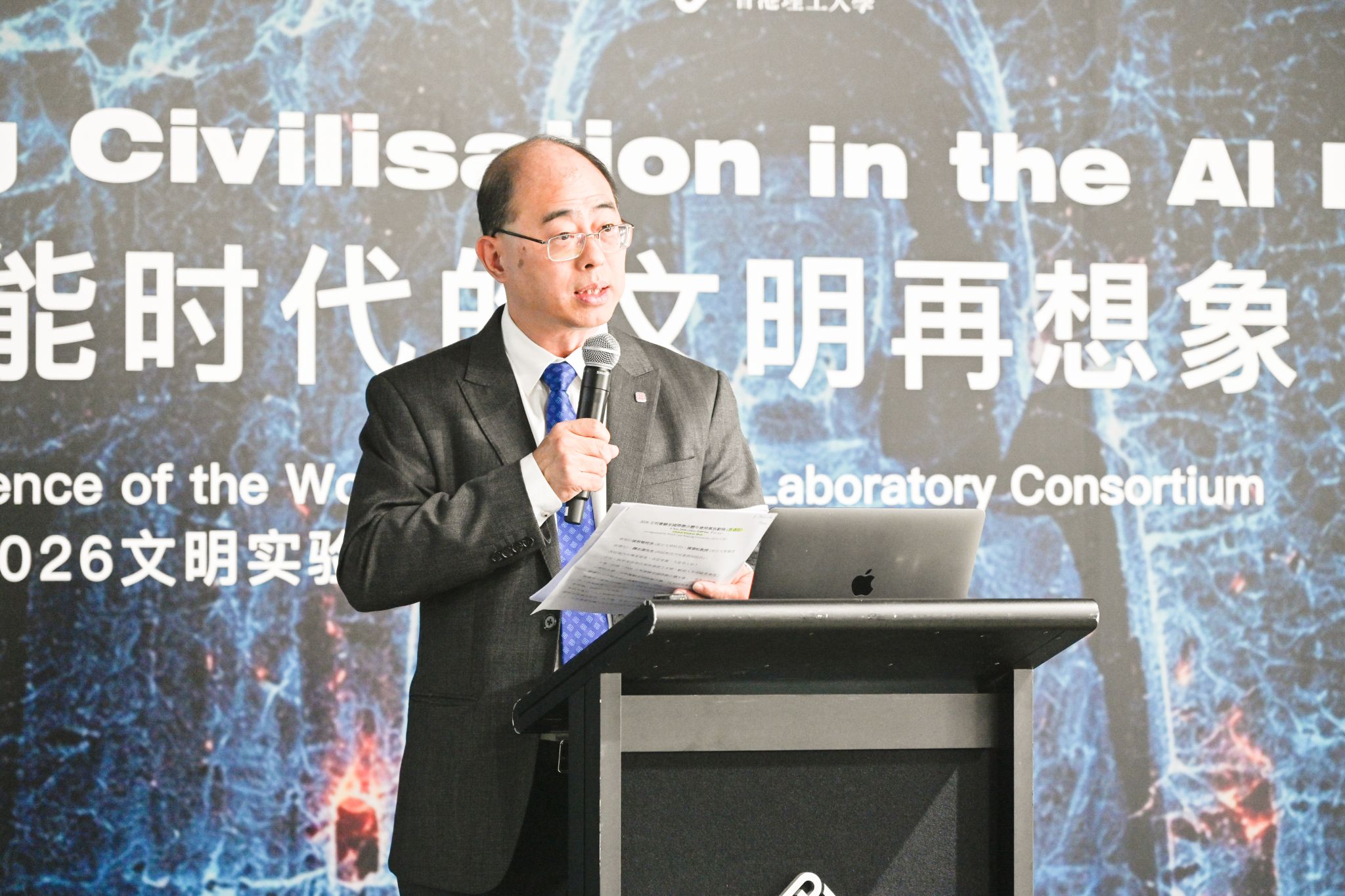
Tan Zhiyuan expressed hope that the annual conference of the International Consortium for the Civilization Laboratory will bring together more voices from the Global South and diverse cultural backgrounds and collectively contribute new insights and inspirations for advancing the future development of human civilization while fostering understanding and dialogue among different civilizations.
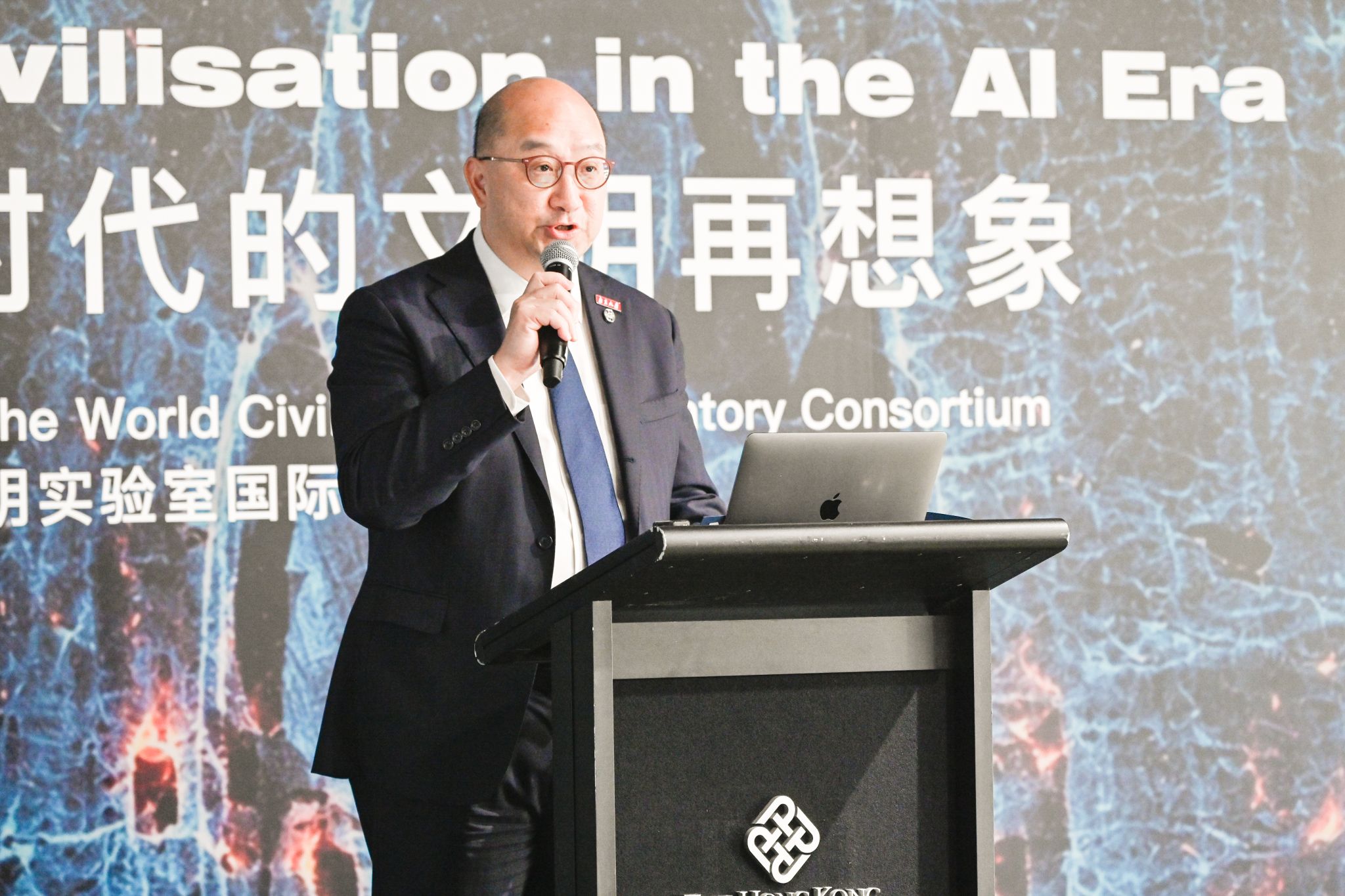
Chen Yunsong, Chair of the World Civilisation Laboratory Consortium and Deputy Chair of NJU CPC Council, presided over the opening ceremony.
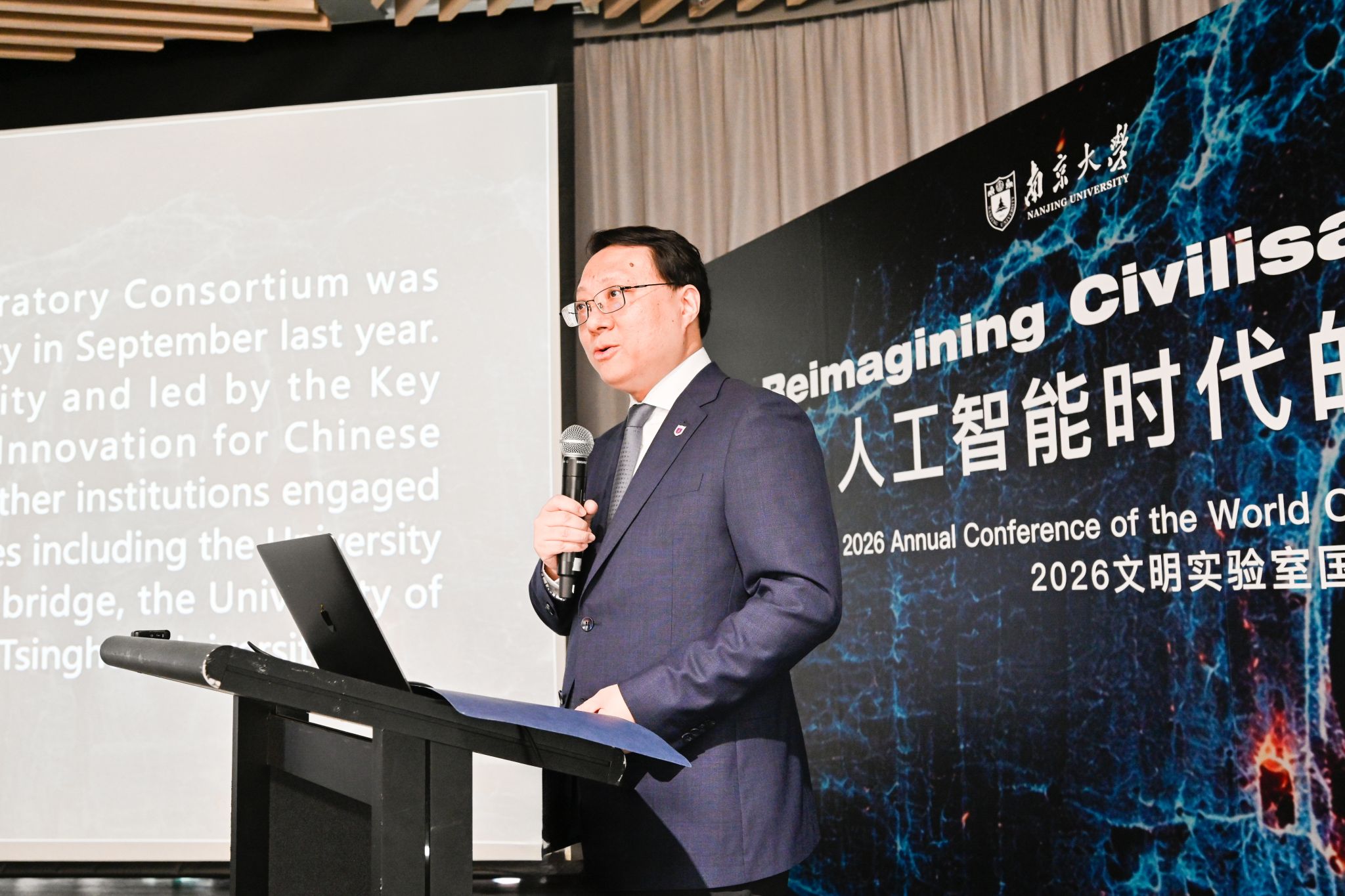
During the keynote speech session, Chen Yunsong delivered a talk titled "Empowering Civilization Inheritance with Digital Intelligence: Protecting Cultural Heritage for and with the Global South through International Cooperation." Drawing on the Digital Topographical Atlas of Ancient Chinese Cities Project and cultural heritage protection collaborations targeting Cambodia's Angkor Wat, he outlined the paths through which digital intelligence could support heritage documentation, research, and conservation. He introduced the Consortium's initiative on leveraging AI to aid cultural heritage preservation in the Global South. Chen stressed the importance of integrating technology applications with local knowledge, infrastructure, talent cultivation, and collaborative mechanisms while respecting cultural and data sovereignty and encouraging active participation of local institutions and communities in conservation decision-making.
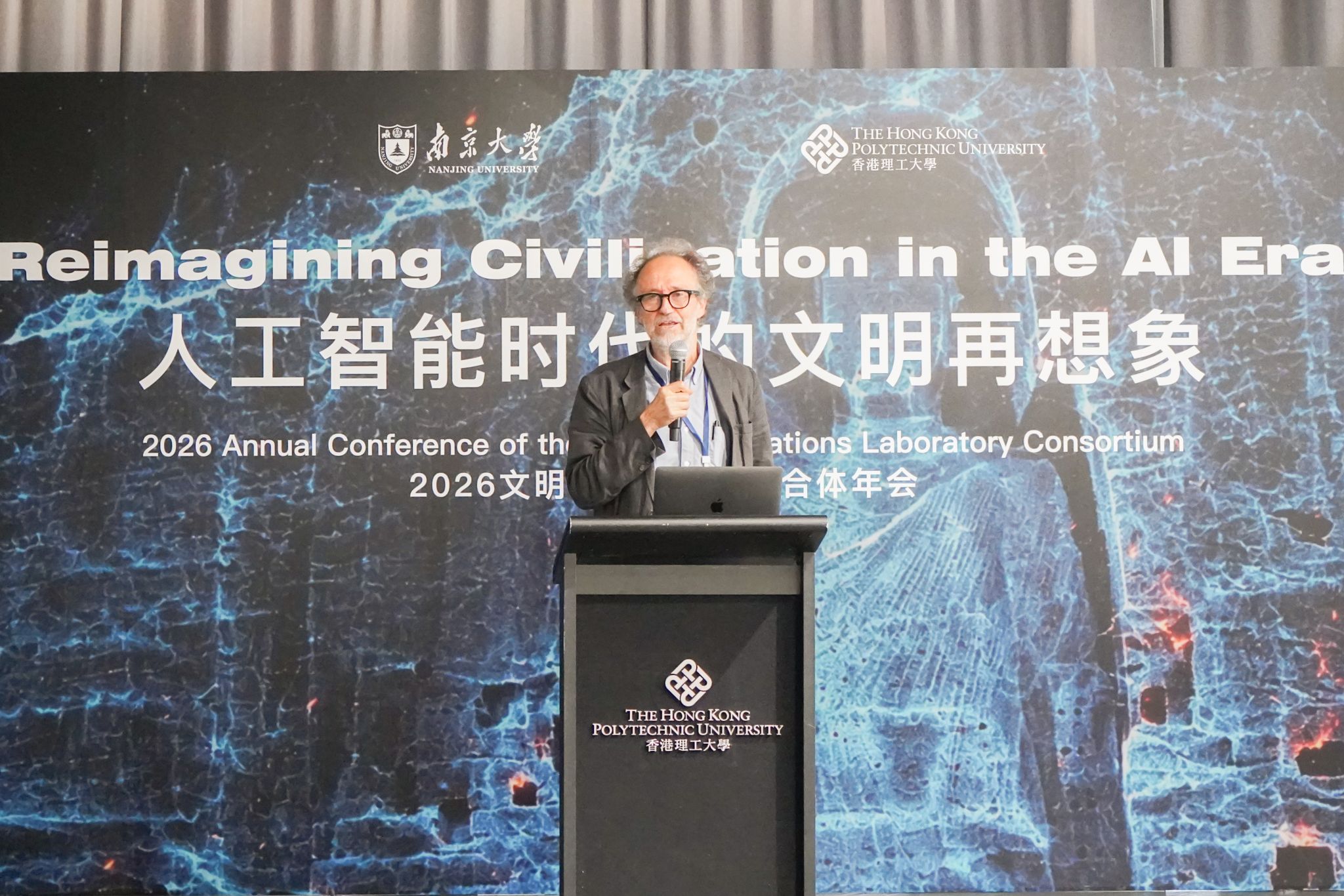
François Penz, Emeritus Professor at the University of Cambridge and a Professor at NJU, delivered a speech titled "The Cultural Eye in the AI Era." He argued that representation systems and ways of viewing shape the self-understanding and expression of different civilizations. Representation modes are never neutral; artificial intelligence could both impact cultural diversity and offer new possibilities for interpreting, explaining, and representing cultural differences.
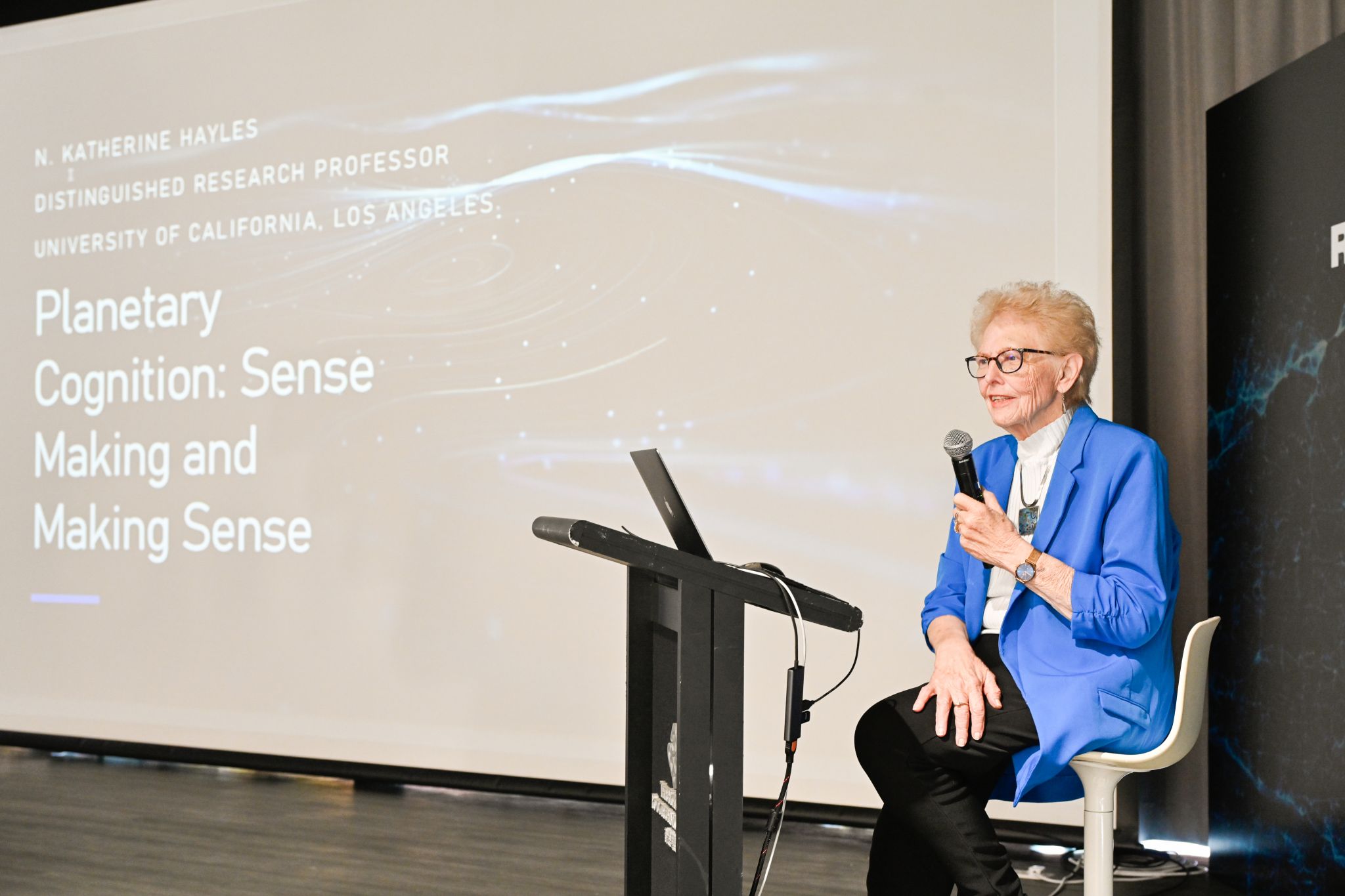
N. Katherine Hayles, Emeritus Professor at Duke University and Fellow of the American Academy of Arts and Sciences, delivered a keynote speech "Planetary Cognition: Sense Making and Making Sense". Hayles asserted that the current human-dominated technological ecosystem remains "immature." According to her, the future lies in the development of "planetary intelligence" and nurturing "planetary consciousness," treating humanity, non-human life, and technology as active participants in shaping Earth's future.
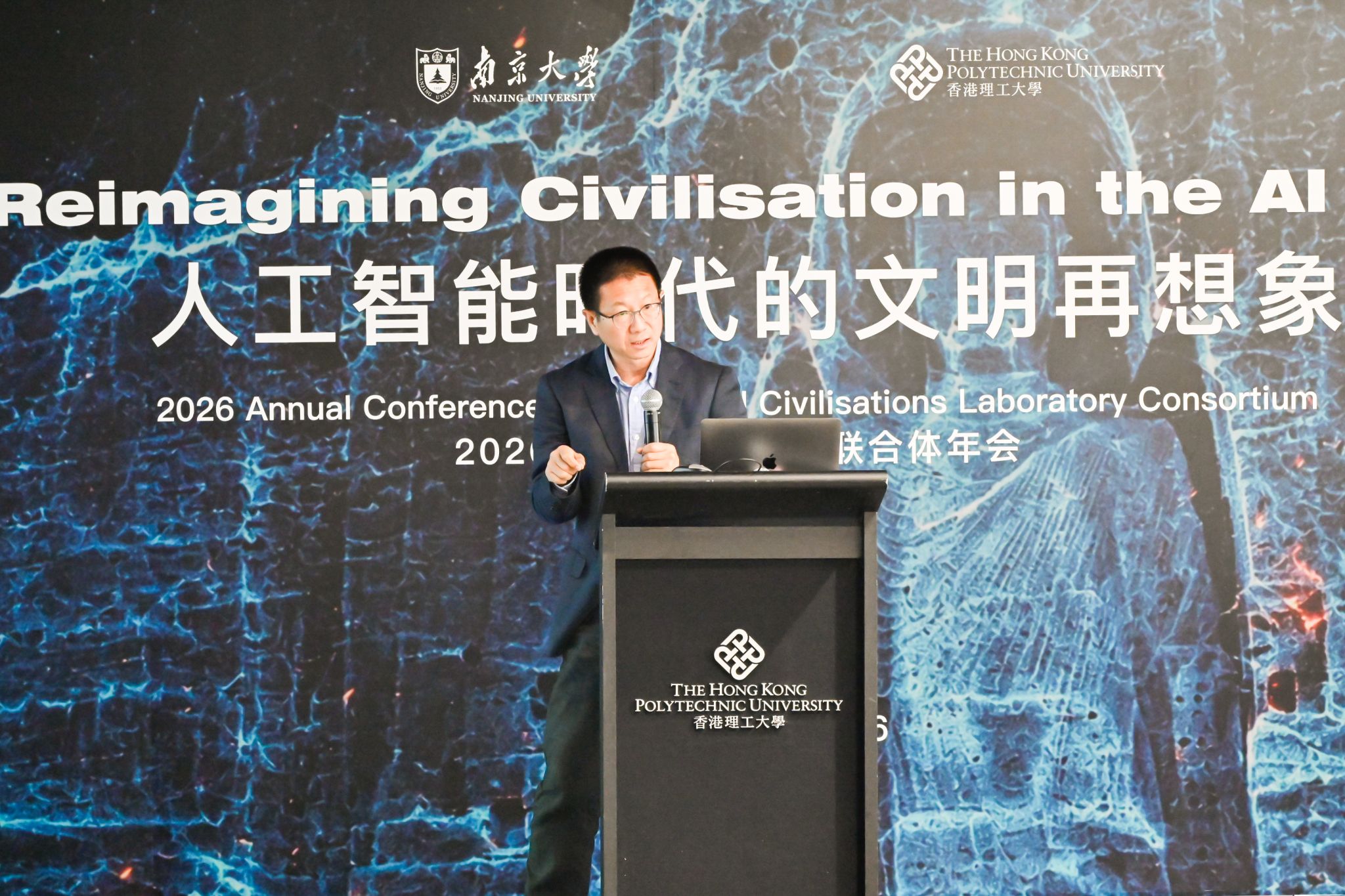
Wang Jun, Professor and Director of the Center for Digital Humanities at Peking University, gave a speech titled "Intertextuality between The Analects and China's Official Histories." Wang introduced computational research explorations using intelligent-agent technologies to analyze canonical and historical texts. He pointed out that such methods could make the processes of textual analysis and interpretation in intellectual history more explicit, traceable, and adjustable.
The keynote speech session was moderated by Gao Fang, Assistant President of NJU and Director of the Office of Humanities and Social Sciences .
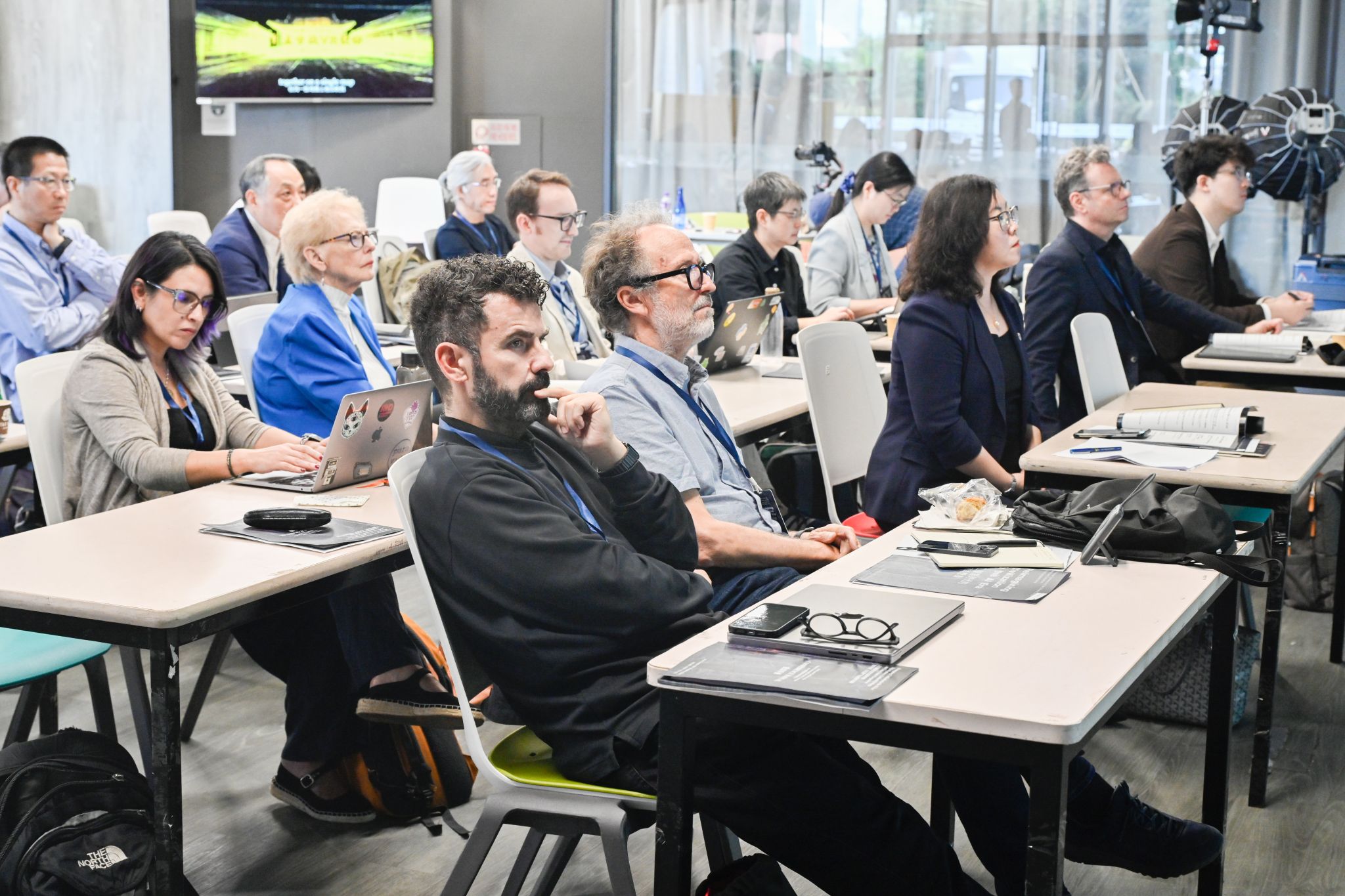
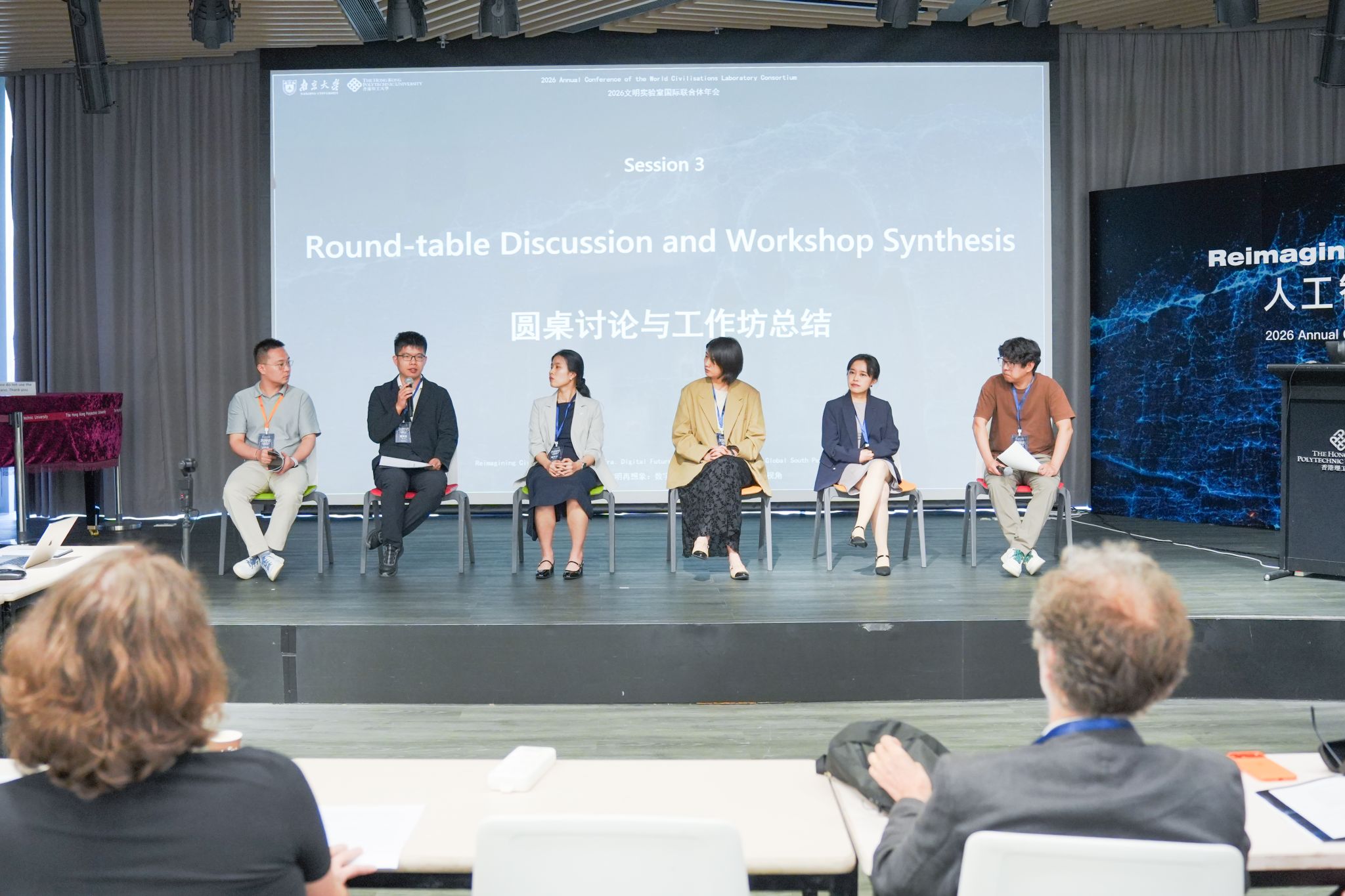
The conference included four thematic discussions: "Reconstructing Civilization Concepts in the AI Era," "The Digital Future of Global South Cultural Heritage," "The Civilizational Eye: Viewing Methods, Archaeological Reconstruction, and Knowledge Reliability in the AI Era," and "New Paradigms for Digital Intelligence and Cultural Heritage Preservation." Experts and scholars conducted in-depth discussions on key topics such as the reconstruction of civilization concepts, the digital future of the Global South, viewing methods and archaeological reconstruction in the AI era, and new paradigms for cultural heritage preservation. Participants focused on specific themes such as world literature and civilizational narratives, digital recording and interpretation of Global South heritage, the boundaries and reliability of AI-powered visualization, and cultural heritage data and knowledge graphs while exploring emerging questions, methods, and paths for civilization studies amidst technological transformations.
During the conference, a "Proposal for Building a Global South Digital Heritage Network" was released. The proposal called upon consortium members and collaborators to base their efforts on UNESCO's "Charter on the Preservation of the Digital Heritage," building academic consensus around creating a "computable paradigm for civilization studies." It encouraged joint construction of the Global South Digital Heritage Network and its knowledge infrastructure, thus enhancing the capacity of Global South countries and cultural communities to autonomously preserve, interpret, and transmit civilizational memories while promoting international collaborative research and knowledge sharing across civilizations.
The conference also included a pre-conference workshop themed "New Pathways for Cultural Heritage Preservation in the AI Era: Sensing, Reconstructing, and Transmitting Civilizational Memories." Technical case studies were presented across five project areas: knowledge-driven cultural heritage AIGC (AI-generated content), cultural heritage research on the spatial corridors of the Overland and Maritime Silk Roads, AI in architectural digital humanities, AI-powered 3D cultural heritage memory databases, and the application of digital intelligence technologies to Kunqu opera heritage preservation. Roundtable discussions followed, covering related open initiatives and paper proposals.
From November 1 to November 7, a special exhibition, "Celestial Horses: An Interdisciplinary Narratives of Civilizational Symbiosis along the Silk Road," was hosted at The Hong Kong Polytechnic University. At the exhibition opening ceremony, Chen Yunsong, Chen Yuepeng, Head of Mainland Affairs of The Hong Kong Jockey Club, and Li Jianjiang, Dean of the School of Design at The Hong Kong Polytechnic University, delivered speeches. On behalf of NJU Education Development Foundation, Secretary-General Feng Fan presented a certificate of appreciation to The Hong Kong Jockey Club for its support of the exhibition and NJU's educational endeavors.
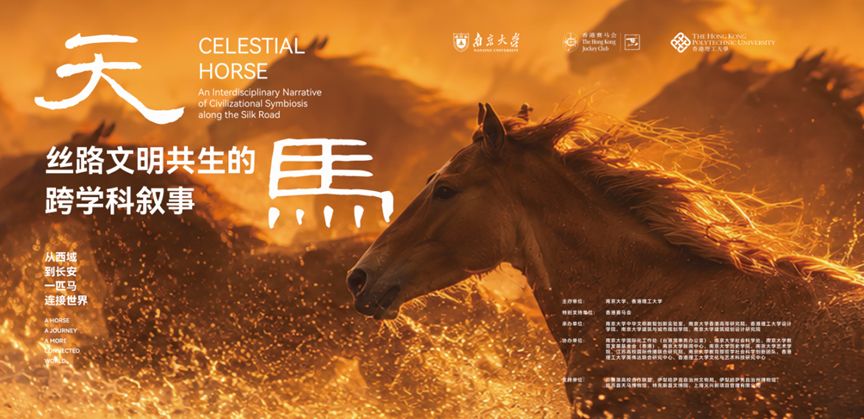
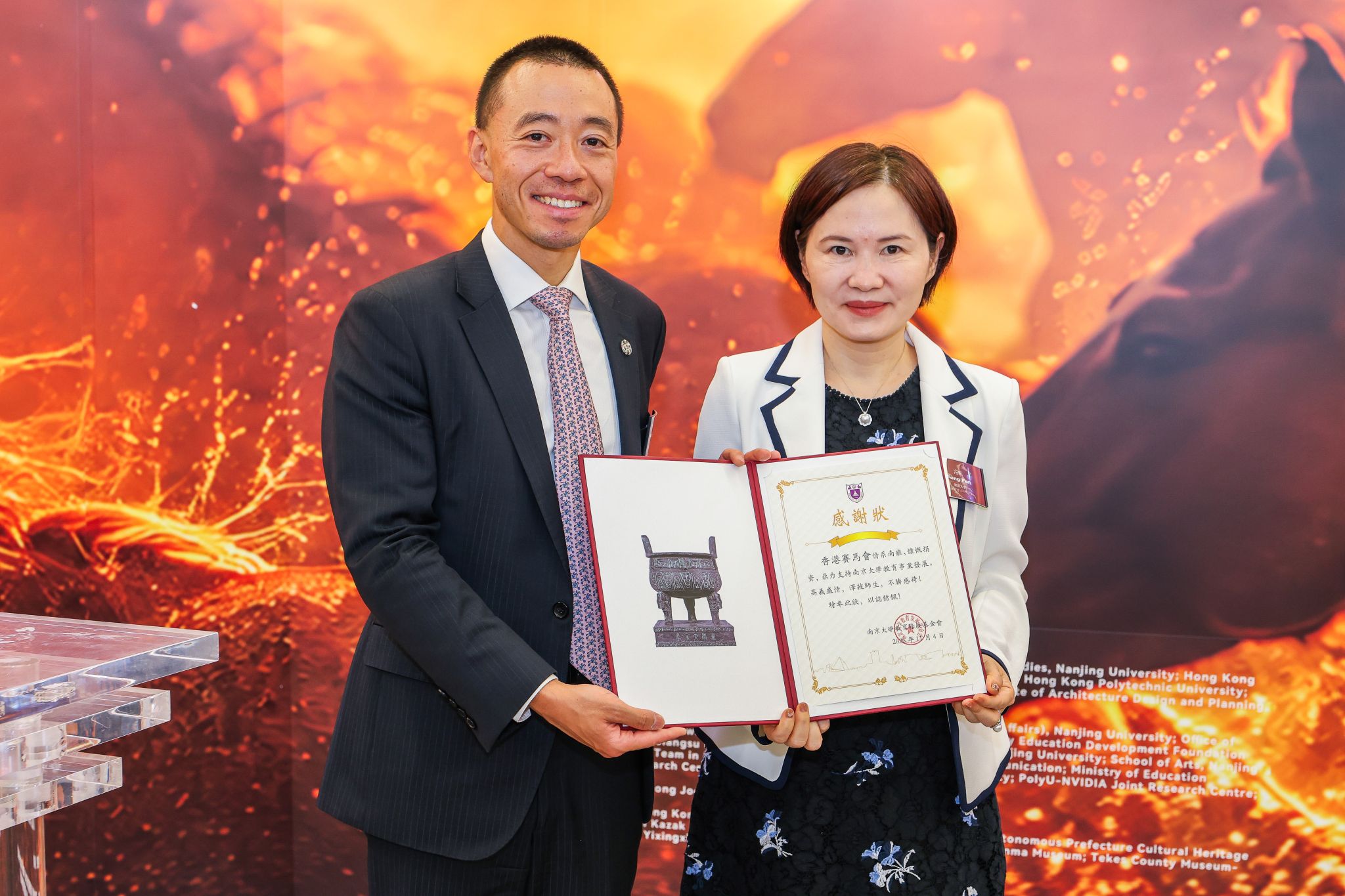
This exhibition, the first major academic exhibition since the establishment of NJU's Hong Kong Research Institute, uses the symbol of Pegasus to interpret two millennia of exchanges shaping Silk Road civilization through mutual learning. The exhibition is divided into three sections: Visual Construction, Interdisciplinary Integration, and Digital Silk Road. The first section systematically traces the evolution of Pegasus imagery from the Han Dynasty to the Qing Dynasty. The second displays NJU's interdisciplinary archaeological investigations, explorations, and achievements in the Western Regions. The third highlights various projects led by students, including AIGC videos, knowledge graphs, interactive games, physical installations, digital reconstruction of ancient cities, and digital projects on intangible cultural heritage from Rebgong culture. By integrating digital innovation into historical studies and creating synergy among artifact imagery, archaeological field data, AIGC productions, interactive games, and tangible devices, the exhibition fully showcases the research achievements of NJU's studies on frontier cultural heritage and digital humanities.
The World Civilisation Laboratory Consortium was established on September 13, 2025. Initiated by NJU and spearheaded by its Chinese Civilization Digital Innovation Laboratory, the consortium unites over 30 universities and institutions across more than ten countries and regions. It is dedicated to advancing the study of civilization through digital technology and artificial intelligence, fostering cross-border and interdisciplinary collaboration, sharing technological platforms and conducting cooperative research, as well as promoting innovative knowledge, theories, and methods regarding digital and intelligent civilization studies.
This annual conference and exhibition were jointly organized by the Chinese Civilization Digital Innovation Laboratory at NJU, the NJU Hong Kong Institute for Advanced Studies, and the School of Design of The Hong Kong Polytechnic University. It is also a key initiative supported by the Hong Kong Jockey Club of to promote cultural exchange in higher education between the Chinese Mainland and Hong Kong.


