On August 31, the Third Youth Dialogue on Promoting China-U.S. People-to-People Exchanges was held at Nanjing University. More than 50 young scholars and experts from China, the United States, the United Kingdom, Germany, Spain, Indonesia, Cambodia, Ecuador and other countries gathered to engage in in-depth exchanges and discussions under the theme "Reshaping the Geoeconomic Landscape: Managing Differences and Advancing Global Development."
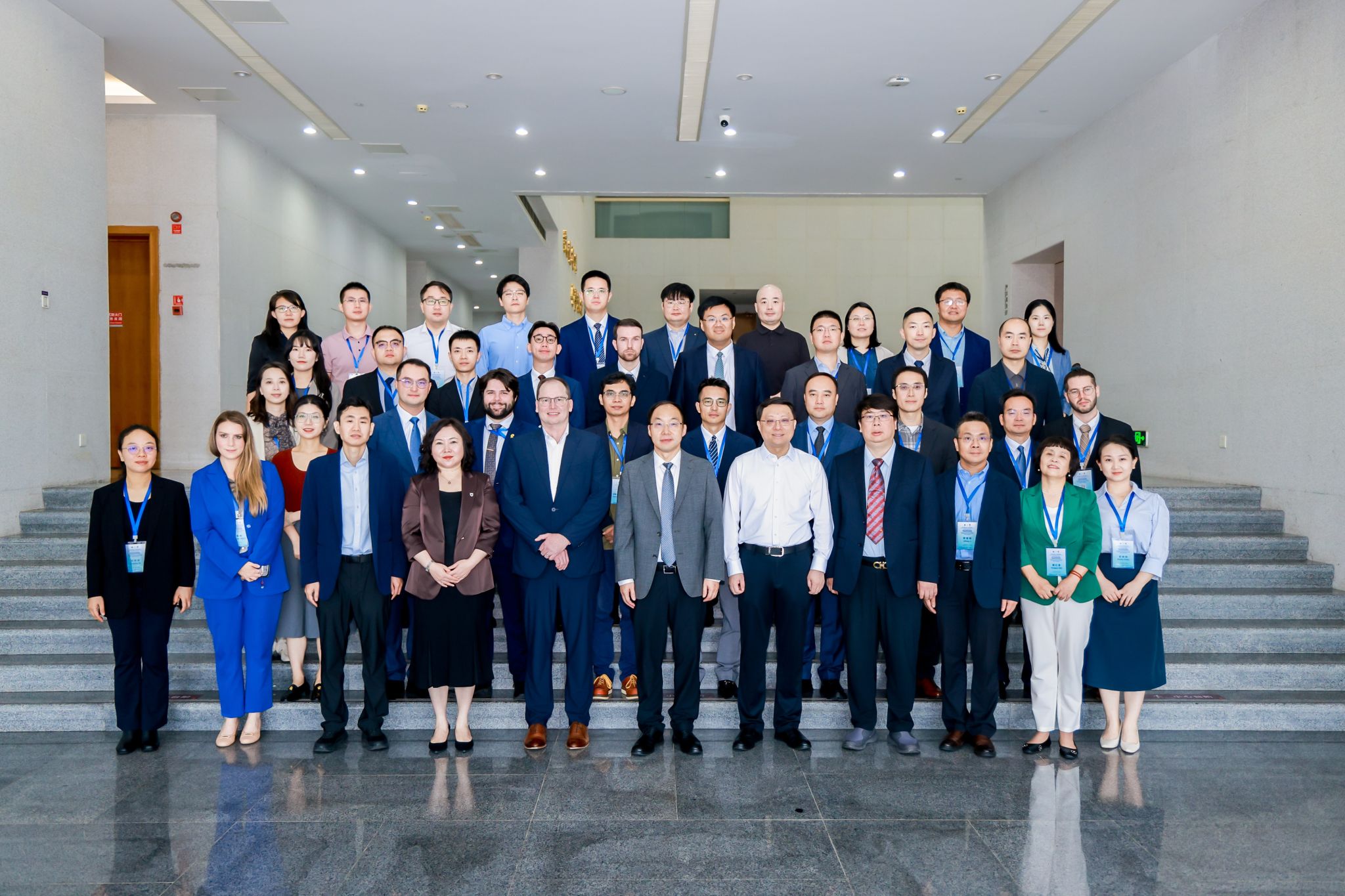
The dialogue was jointly organized by the Academy of Contemporary China and World Studies, the Carter Center (U.S.) and the Center for Asia-Pacific Development Studies, Nanjing University.
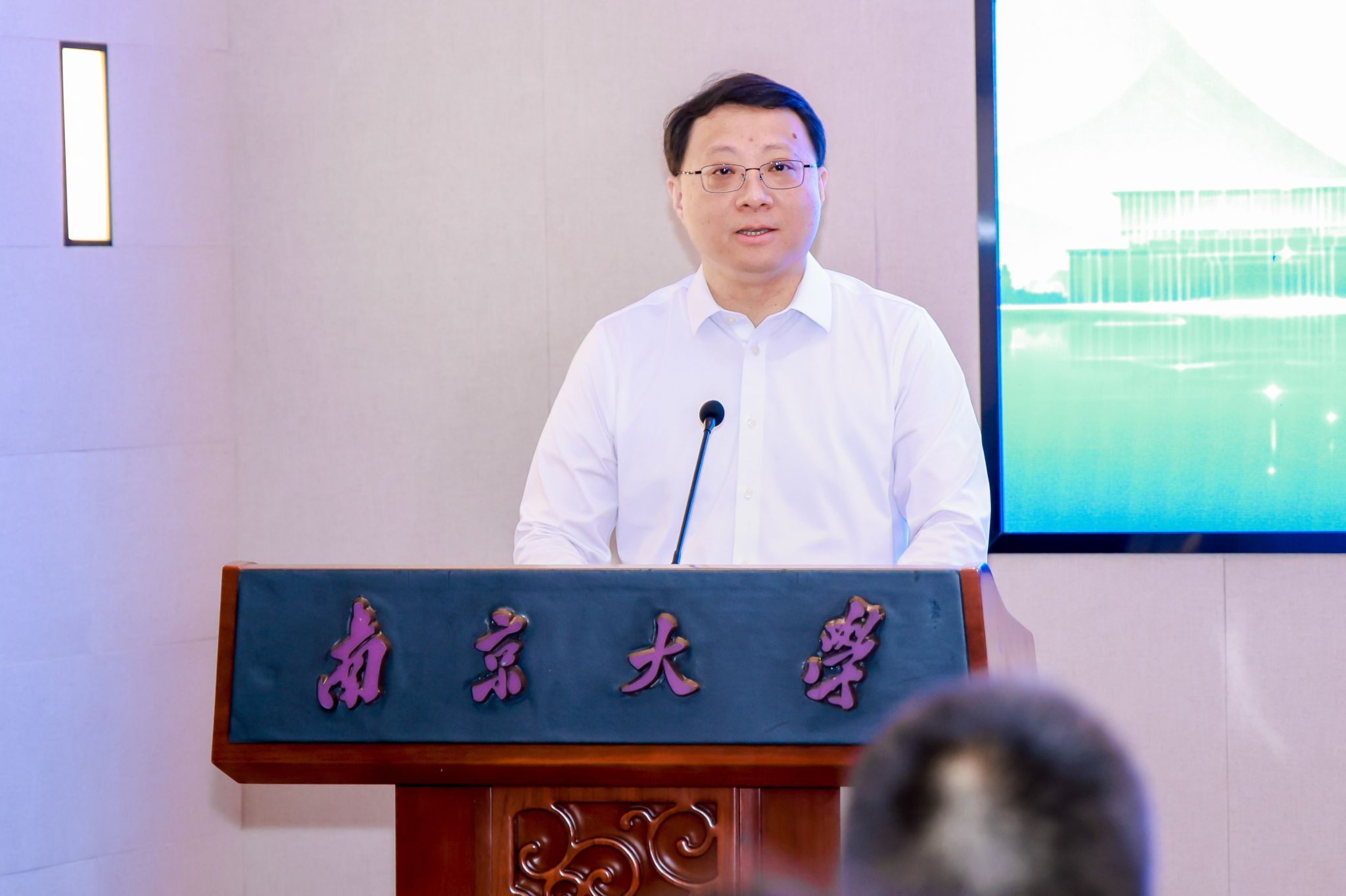
Chen Yunsong, Deputy Chair of NJU CPC Council, noted that people-to-people and cultural exchanges serve as a vital bridge for transcending cognitive barriers and enhancing mutual understanding. As profound changes unseen in a century accelerate, promoting exchanges among Chinese and American youth carries great practical significance. He reviewed the long-standing cooperative ties between NJU and the Carter Center, and stated that the foundation of people-to-people exchanges lies in people, and their driving force also comes from people. He expressed hope that participating young scholars would speak freely and engage in candid dialogue, enhancing mutual understanding and building consensus through exchanges, and accumulating constructive strength for the positive development of China-U.S. relations. NJU also looks forward to continuing to expand youth exchanges with all parties and deepening practical cooperation in people-to-people and cultural fields.
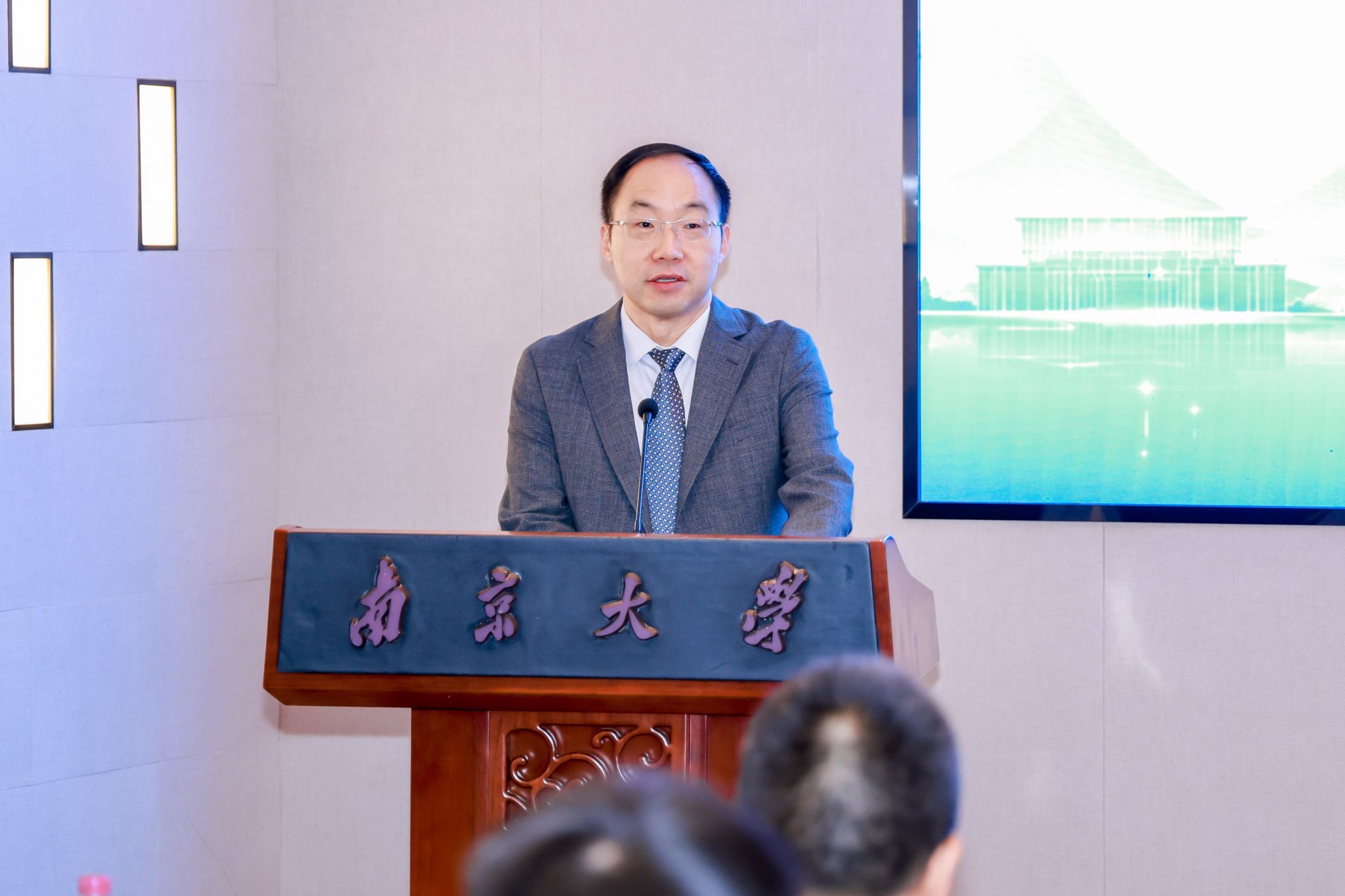
Yu Yunquan, vice president of China International Communications Group (CICG), stated that the China-U.S. relationship is one of the most important bilateral relationships in the world, and that people-to-people exchanges serve as the public foundation for its steady and sustained development. He proposed relying on people-to-people exchange platforms such as think tank dialogues to promote the maintenance of open communication channels among the intellectual communities of China, the United States, and the world at large, even amid fluctuations in bilateral relations. He called on those working in people-to-people exchanges to help interpret and communicate strategic consensus, facilitate and promote youth exchanges, and deepen practical cooperation, so as to continuously strengthen mutual understanding between the Chinese and American peoples and help build a constructive and stable China-U.S. relationship.
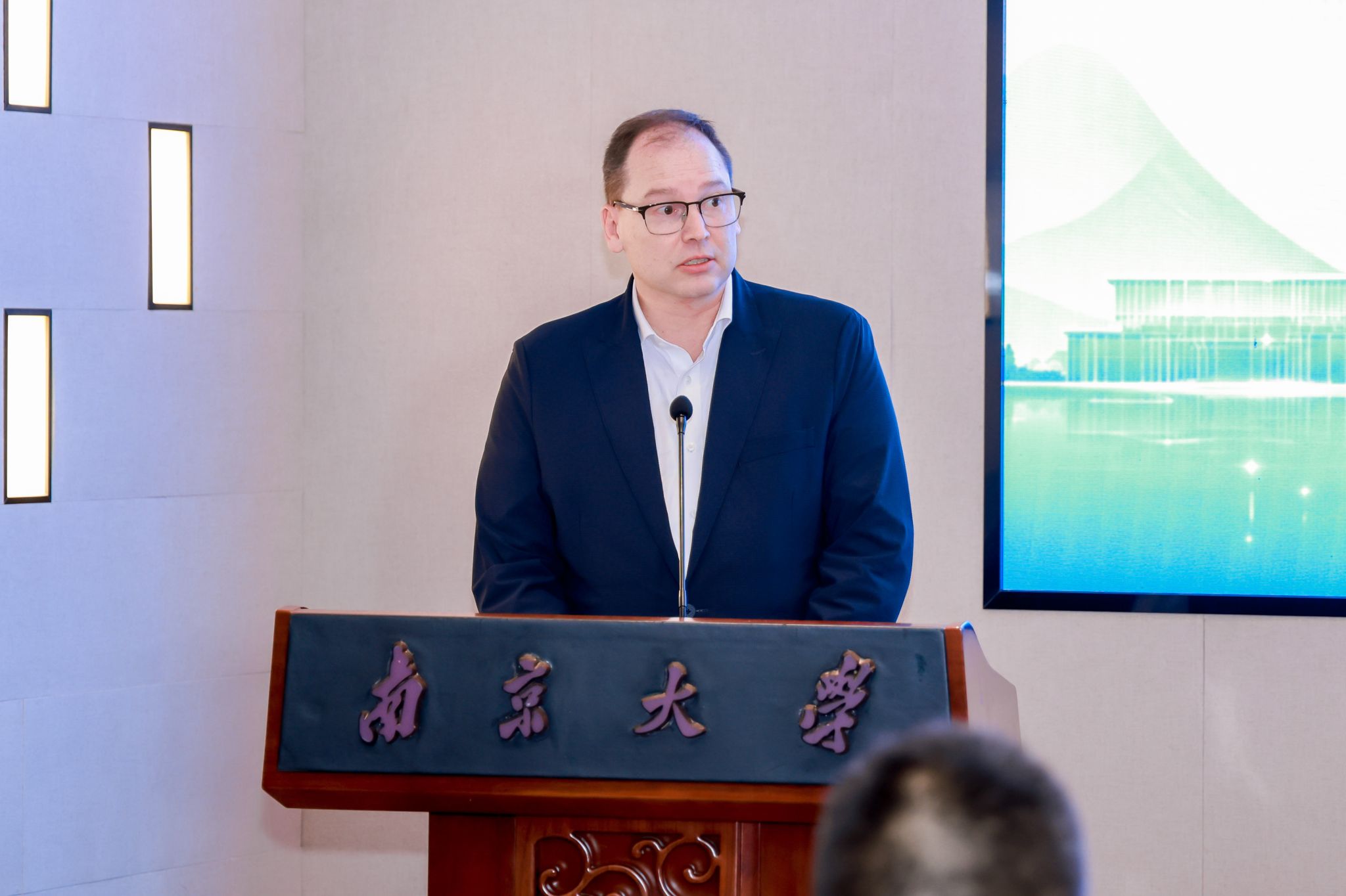
Christopher Hobbs, deputy director of peace strategy and operations of the Carter Center peace program, stated that the previous meeting between the two heads of state established a framework for building a constructive China-US relationship of strategic stability. This dialogue brought together scholars and policy researchers, helping all parties see things from one another's perspective, better understand each other's positions, avoid unnecessary conflicts, and jointly help China-U.S. relations move in a positive direction.
During the discussion sessions, participating experts, based on the context of profound adjustments in the geoeconomic landscape, conducted thorough discussions on global development issues and China-U.S. relations. A consensus emerged among participants: in the face of existing differences and real challenges, dialogue and communication should be upheld, an open and stable cooperative environment should be maintained, and practical cooperation should be expanded in key areas such as artificial intelligence, climate governance, green transition, and public health, thereby enhancing mutual trust, reducing miscalculation, and creating a favorable environment for the stable, healthy, and sustainable development of China-U.S. relations.
On September 1, participating representatives, accompanied by staff from the Center for Asia-Pacific Development Studies at NJU, conducted a field visit and research trip to Gaochun District, Nanjing.


