On September 3, 2026, the opening seminar for "Area Studies Report on Cultural Heritage in Asia" was held at the School of Information Management, Nanjing University. This project is the first major research initiative commissioned by the Alliance for Cultural Heritage in Asia (ACHA), an intergovernmental international organization, to be undertaken by NJU. The project addresses the practical needs of exchanges and mutual learning among Asian countries and closer cooperation in cultural heritage protection. Drawing on the ACHA platform, it will undertake systematic area studies of cultural heritage protection, with a focus on heritage resources, conservation and governance, developments in heritage practice, and cooperation needs of relevant countries.
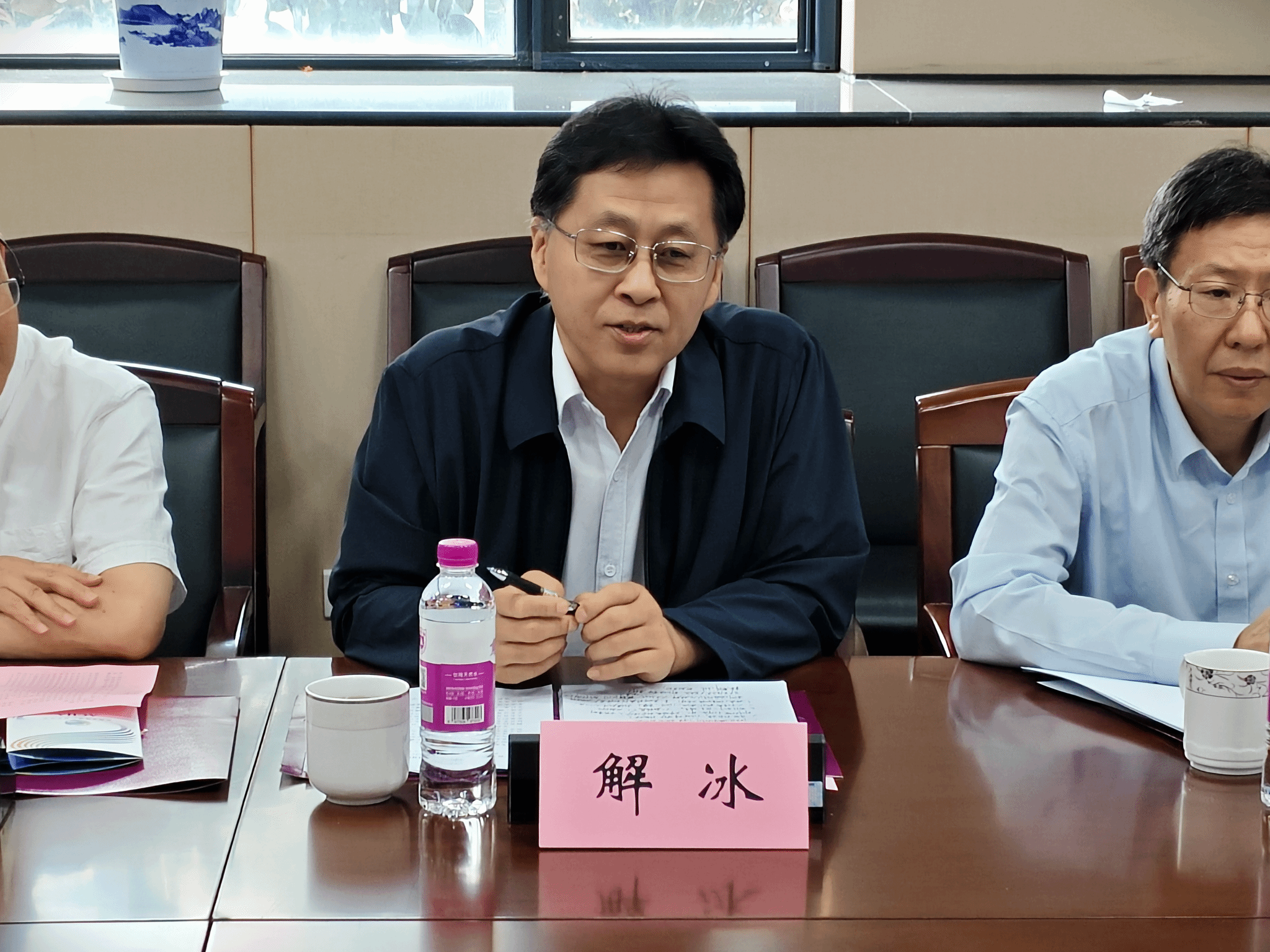
Xie Bing, Executive Secretary-General of ACHA, attended the seminar and delivered remarks. The expert panel comprised He Yun'ao, member of the 13th National Committee of the Chinese People's Political Consultative Conference and professor at NJU School of History; Zhou Feng, Deputy Director of the Publicity Department of the CPC Nanjing Municipal Committee and Director of the Memorial Hall of the Victims in Nanjing Massacre by Japanese Invaders; Wang Yueqing, Vice President of Jiangsu Provincial Academy of Social Sciences and professor at NJU School of Philosophy; Gao Fang, Assistant President of NJU and Director of the Office of Humanities and Social Sciences of NJU; and Wang Chuanqi, Director of the Research Center of Jiangsu Provincial Federation of Philosophy and Social Sciences (JSFPSS). Wu Han of the ACHA Secretariat chaired the seminar.
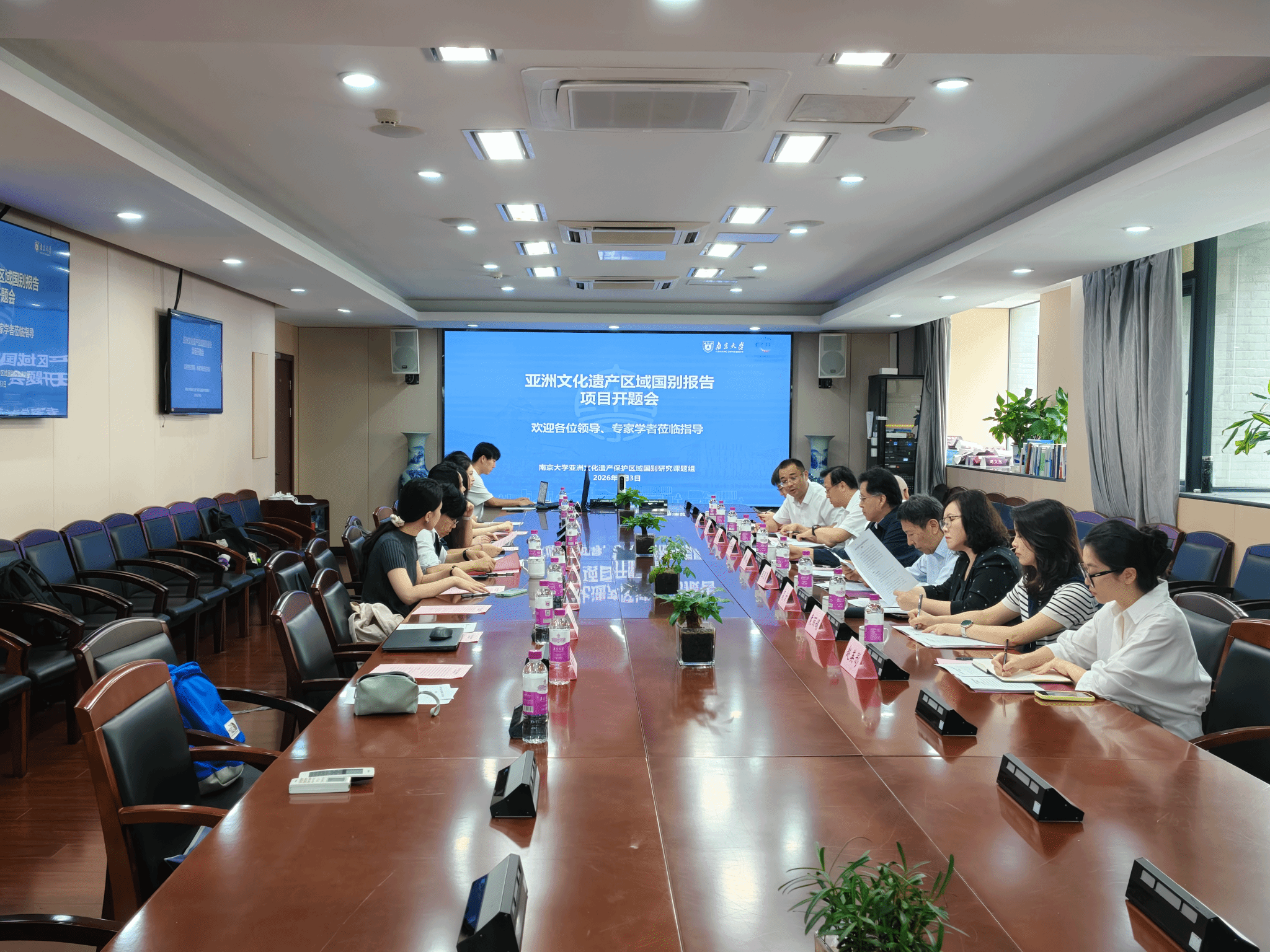
Professor Li Gang of NJU School of Information Management presented the project proposal on behalf of the research team. The project covers 25 countries selected from ACHA's member states, observer states, and partner countries. As part of the preparatory work, the research team conducted a review of relevant literature and online research on a number of representative countries. A pilot country study focusing on Uzbekistan was also carried out to test and refine the proposed structure of the country reports, source materials, and research methods. The project is guided by an overall approach of "taking individual countries as the basis, research questions as the driver, comparative analysis as the means of advancement, and cooperation as the ultimate goal." Building on country-level studies, the research team will conduct cross-country comparisons and examine opportunities for regional cooperation. Planned outputs include bilingual research reports in Chinese and English, policy recommendations, thematic datasets, and bilingual glossaries of specialized terminology.
During the discussion, the experts spoke highly of the project's significance, preliminary research, and overall research plan, and offered suggestions for further development. He Yun'ao called for greater attention to historical development, geopolitical contexts, and links among countries in heritage cooperation, as well as broader use of primary sources. Zhou Feng recommended expanding the research to include memory heritage, the interpretation of heritage values, and public perceptions, while strengthening efforts to translate research findings into practical applications. Wang Yueqing stressed the importance of highlighting the role of Chinese culture and taking a broader perspective on exchanges and mutual learning among civilizations. He also called for further research into public participation, talent development, and academic cooperation. Gao Fang suggested drawing on NJU's interdisciplinary strengths to address challenges involving access to information, cross-country comparison, and multilingual research, thereby enhancing the rigor and methodological soundness of the study. Wang Chuanqi recommended paying closer attention to shared regional risks and strengthening research into conservation practices, professional support, and the historical and institutional foundations of heritage protection, so as to make the project's findings more targeted and applicable.
In his concluding remarks, Xie Bing called for broader perspectives and a stronger sense of the wider regional context in advancing the project. He emphasized the need to deepen country-level research, conduct more detailed comparative analysis, and develop more substantive assessments of opportunities for cooperation. He also stressed the importance of making full use of the ACHA platform, bringing together research expertise from different institutions and making the most of interdisciplinary collaboration. These efforts, he said, will help deepen understanding of heritage protection practices, practical needs, and opportunities for cooperation across Asia, build consensus around shared concerns, and open up new avenues for collaboration. They will also provide strong support for China and other Asian countries in deepening cooperation on cultural heritage protection and improving regional cooperation mechanisms.
Following discussion, the expert panel issued written comments, concluding that the project has clear research objectives, a solid foundation of preparatory work, and a generally feasible research plan. The panel unanimously approved the project proposal. The research team said it will carefully consider the experts' comments, further refine the research plan, and advance country-level research, comparative studies, and research on regional cooperation. It will work to produce high-quality research findings and policy recommendations, and contribute to ACHA's efforts to deepen regional cooperation and promote exchanges and mutual learning among Asian civilizations.


