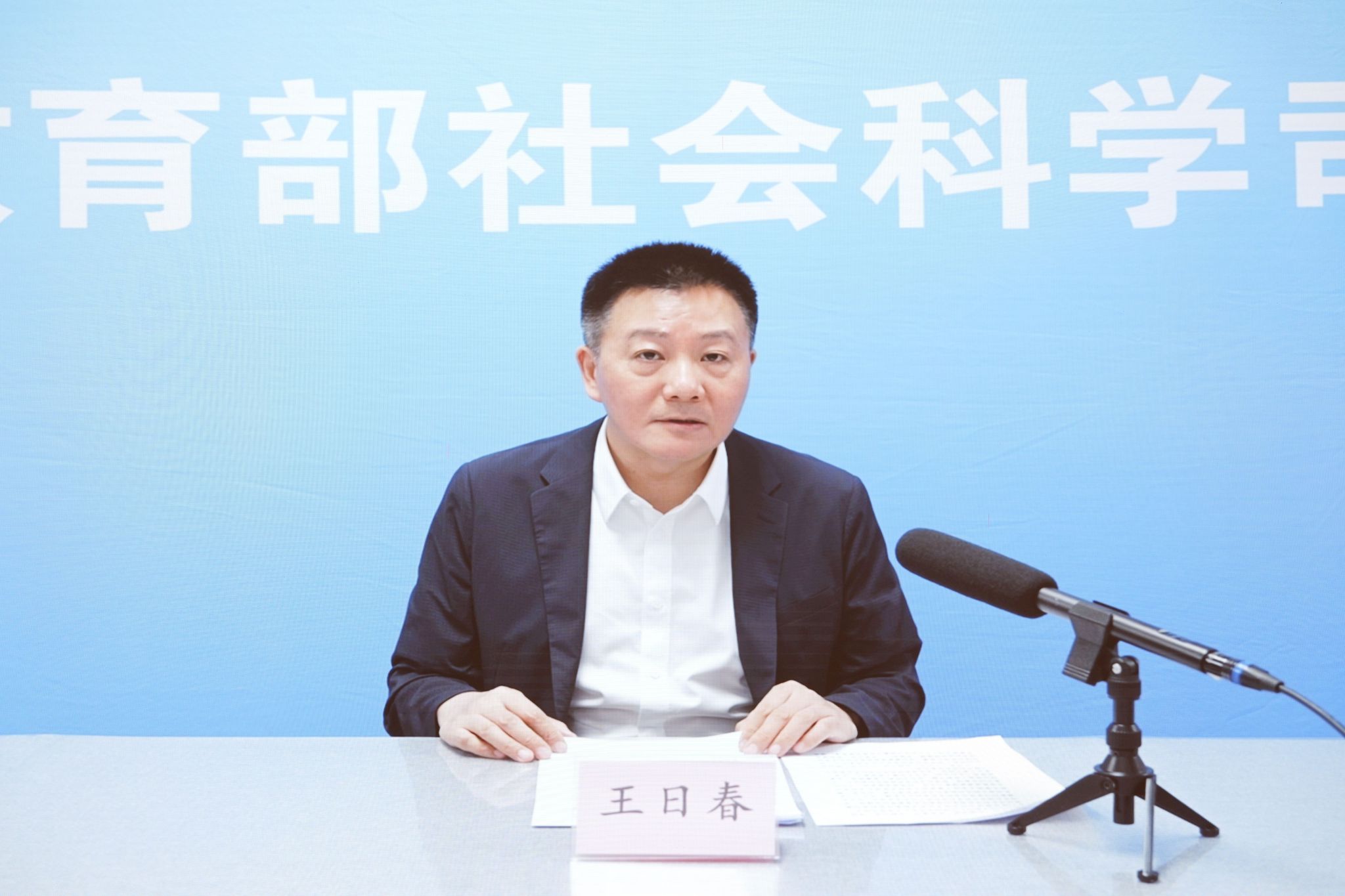
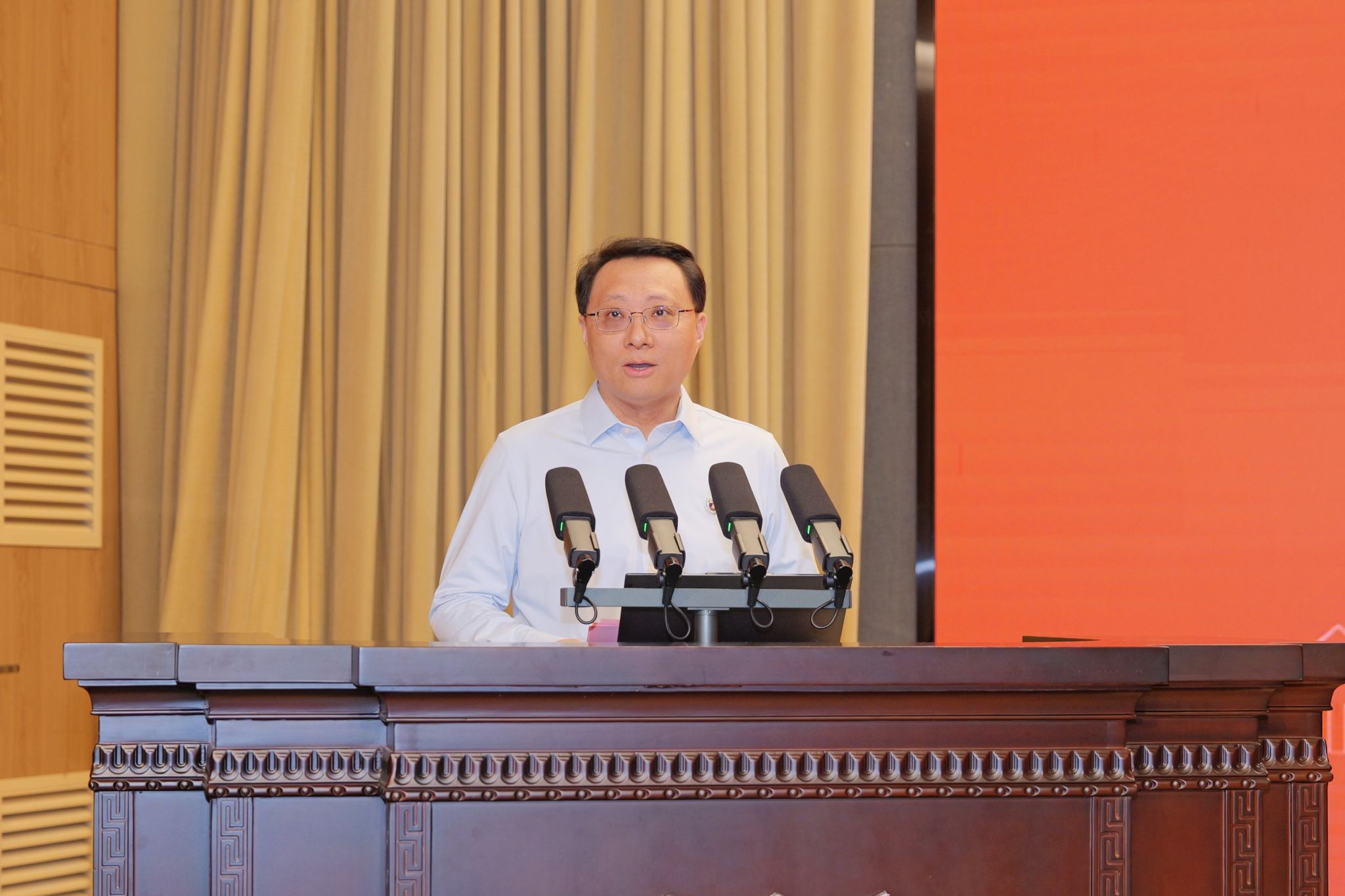
On May 20, coinciding with the 124th anniversary of Nanjing University, the Meeting on Implementing General Secretary Xi Jinping's Important Speech on May 17 and Development of Humanities and Social Sciences were held at the Xianlin campus. The meeting systematically reviewed the practical explorations and significant achievements of NJU's humanities and social sciences over the past decade, laying out a blueprint and exploring paths for high-quality development in the humanities and social sciences on the new journey. Zhao Jinsong, Deputy Director of the Jiangsu Provincial Publicity Department and Director of the Provincial Government News Office; Xu Feng, Deputy Director of the Jiangsu Education Department; Tan Tieniu, Chair of NJU CPC Council and Academician of the Chinese Academy of Sciences (CAS); and Tan Zheming, President of NJU and Academician of the CAS, attended the meeting and delivered speeches. Wang Richun, Director of the Social Sciences Department of the Ministry of Education, delivered a video address.
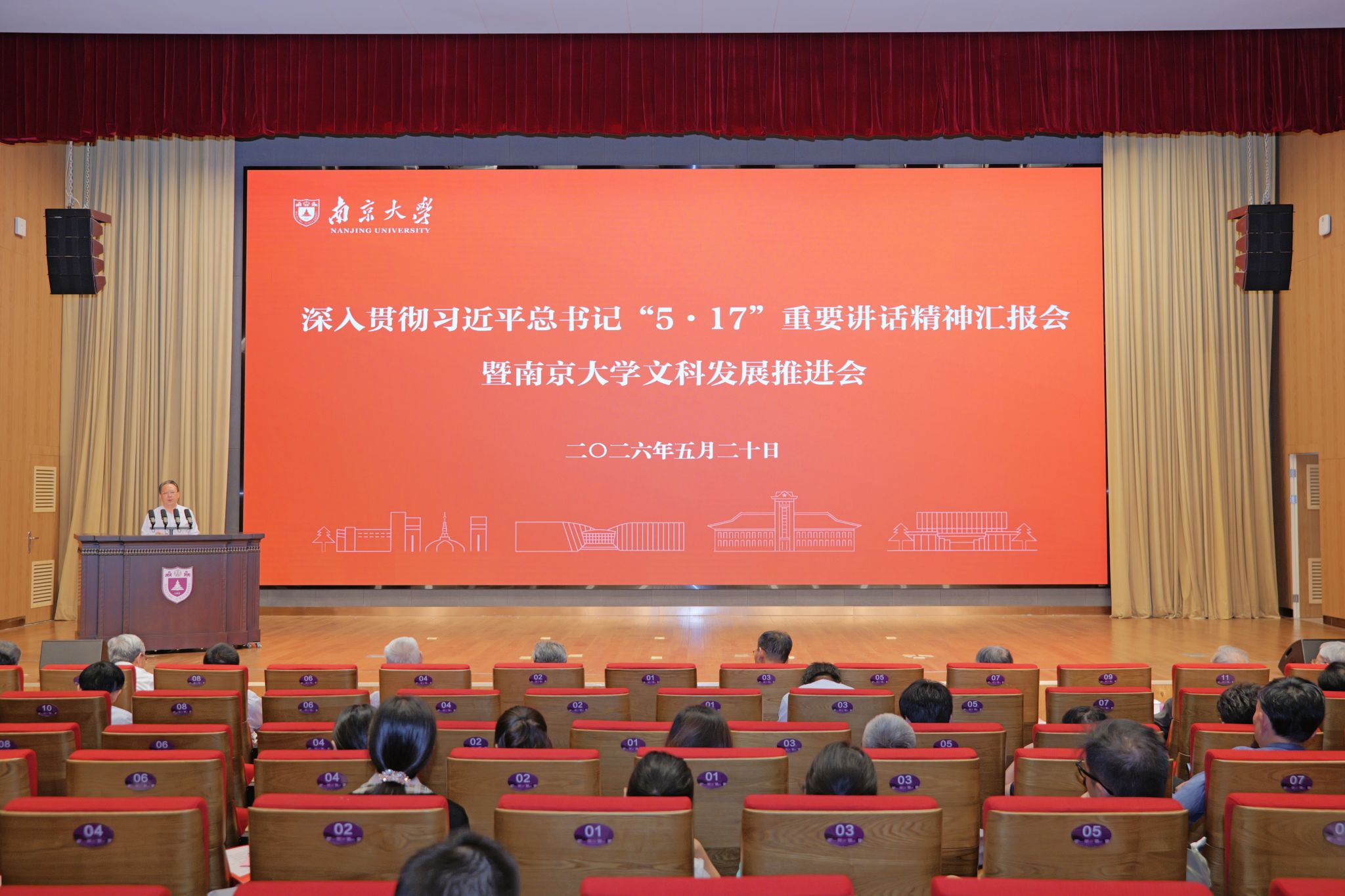
Attending the meeting were Tian Yan, Deputy Director of the Theory Bureau of the Central Publicity Department; Wang Chengbin, Secretary of the Party Leadership Group and Vice Chairman of the Jiangsu Federation of Philosophy and Social Sciences; Yang Ming, Executive Vice President of the Party School of CPC Jiangsu Committee; Bi Feiyu, Vice Chairman of the Chinese Writers Association and President of the Jiangsu Writers Association; Wang Yueqing, Vice President of the Jiangsu Provincial Academy of Social Sciences; Chen Donghua, Vice President of Nanjing Audit University; Guo Guangyin, former Secretary of the Party Committee of Southeast University; Hong Yinxing, former Secretary of the CPC NJU Committee and University Distinguished Professor in Humanities and Social Sciences; Yang Zhong, former Executive Vice Secretary of the CPC NJU Committee; and University Distinguished Professor in Humanities and Social Sciences Lai Yonghai, Zhou Xian, Zhou Xiaohong, among others.
This meeting is an important event held on the tenth anniversary of General Secretary Xi Jinping's May 17 speech, the fourth anniversary of his important letter to young scholars returning from studying abroad at NJU, and the 124th anniversary of NJU. It is a concrete action to fully implement the spirit of the university's 12th Party Congress, systematically plan for the university's 15th Five-Year Plan development and the "Forging Ahead Initiative 2.0". It is also a re-mobilization, re-deployment, and re-start for NJU to promote high-quality development in philosophy and social sciences in the new era. The meeting was divided into three phases, including an opening ceremony, a work report on the development of humanities and social sciences at NJU, a release ceremony, and exchange speeches.
In his speech, Tan Tieniu pointed out that General Secretary Xi Jinping's important speech on May 17 profoundly elucidated the glorious mission, basic laws, and practical paths of contemporary Chinese philosophy and social sciences. Recently, General Secretary Xi Jinping made another important instruction on promoting high-quality development in philosophy and social sciences, fully reflecting his high regard for philosophy and social sciences and his earnest expectations for researchers in theses fields.
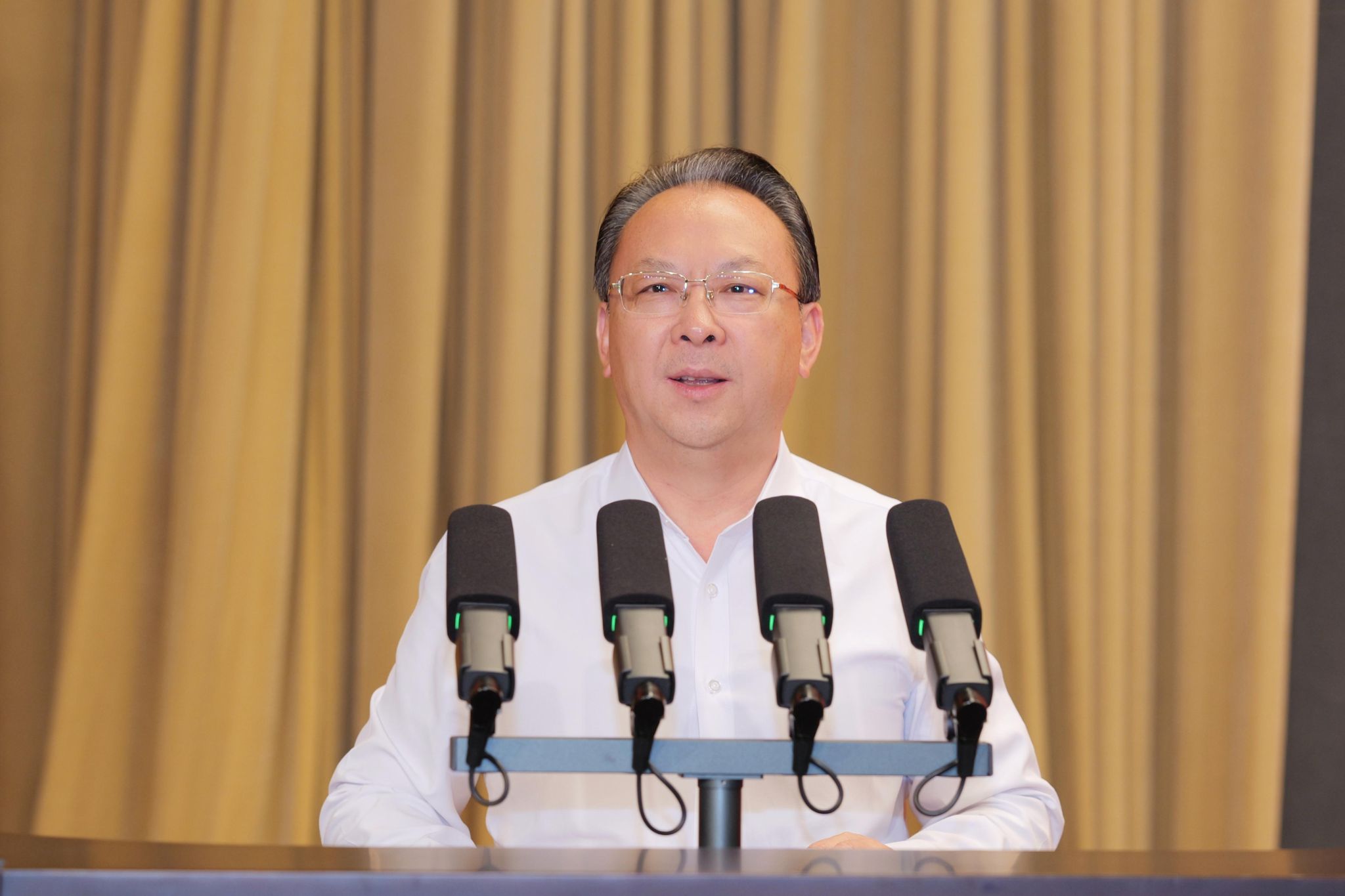
Tan Tieniu emphasized that the new era and new journey have endowed the humanities at NJU with more arduous tasks and more important missions. In the future, three key areas of work should be prioritized: first, taking Xi Jinping Thought on Socialism with Chinese Characteristics for a New Era as the fundamental guideline, striving to create an academic high ground for the research and interpretation of the Party's innovative theories; second, aiming to build "the unique Nanjing University" as a goal, efforts should be made to solidify the foundation for high-quality development in the humanities; third, with the fundamental pursuit of serving national strategies, efforts should be made to highlight the era's responsibility of the humanities and social sciences at NJU. He encouraged all faculty and students to adopt a spirit of unwavering determination and a forward-looking fighting posture, building the humanities and social sciences at NJU into a major academic hub supporting the Party's governance, a high ground for producing original, iconic achievements, and a model for building China's independent knowledge system, striving to better answer China's questions, the world's questions, the people's questions, and the questions of the times, and to make new and greater contributions to accelerating the construction of a strong nation in education and culture.
In his opening address, Tan Zheming pointed out that NJU has a long academic tradition and profound heritage. Guided by Xi Jinping Thought on Socialism with Chinese characteristics for a New Era, it is the mission and responsibility of NJU to solidify its traditional advantages in the humanities and "strive to be a model in firmly establishing cultural confidence and telling China's story well." In the face of new challenges, we must unite our hearts and minds, strengthen cultural confidence, enhance historical initiative, promote development through reform, boost momentum through innovation, and effectively address bottleneck issues in transformation such as path dependency, resource constraints, and endogenous dilemmas, reshaping the development model of the humanities.
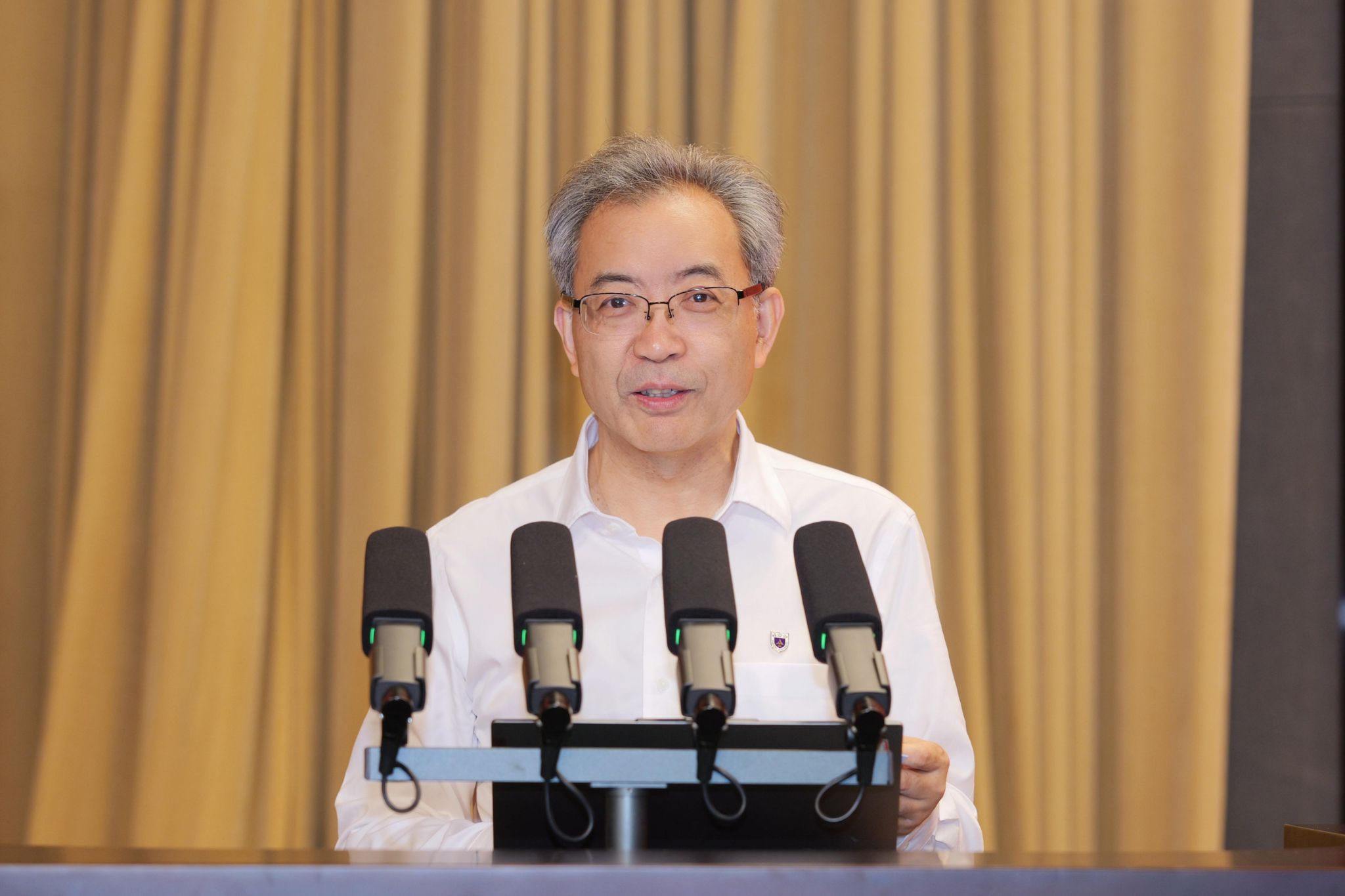
Tan Zheming emphasized that NJU will take this meeting as a new starting point, systematically planning the development strategy for the humanities and social sciences through systematic, holistic, and coordinated reform and innovation, with a core task: guided by Xi Jinping Thought on Socialism with Chinese Characteristics for a New Era, to systematically construct an independent knowledge system for Chinese philosophy and social sciences; transforming the dual academic practice paths of "deep cultivation inward" and "expanding outward" into a two-way interconnected approach; achieving collaborative reform of the three foundational systems of disciplinary structure, talent cultivation, and academic evaluation; and effectively addressing the "four questions" regarding strong national development: China's questions, the world's questions, the people's questions, and the questions of the times. We strive to explore a new path for the development of the humanities and social sciences at NJU that is rooted in Chinese soil, yet has a global perspective, that deepens academic research while directly confronting real-world issues, that inherits excellent traditions while boldly innovating and breaking through, providing solid theoretical support for the great rejuvenation of the Chinese nation, and contributing NJU's wisdom and China's wisdom to the advancement of human civilization.
Wang Richun stated that NJU is a major research hub for philosophy and social sciences in China, with a rich heritage and a lineage of distinguished scholars. It has provided vibrant experiences and valuable examples for the development of philosophy and social sciences across the nation. He hopes the university will always keep "the big national issues" in mind and regard serving the Party and national development as its value coordinates, demonstrating the mission of universities in the research and interpretation of the Party's innovative theories, making significant contributions to the construction of China's independent knowledge system, enhancing international influence in educational openness, and nurturing research capabilities through innovations in research mechanisms.
Zhao Jinsong expressed that NJU is a renowned century-old institution with a significant chapter in the history of the development of philosophy and social sciences in China. As we advance into the 15th Five-Year Plan, he hopes NJU will continue to deepen the systematic research and interpretation of Xi Jinping Thought on Socialism with Chinese Characteristics for a New Era, continuously strengthen the research on original and iconic conceptual categories, and continue to explore Jiangsu's rich historical and cultural resources, striving for new breakthroughs in constructing an independent knowledge system, showcasing new achievements in cultural heritage preservation and development, making new contributions to local governance and regional development, and creating a new situation in enhancing the overall influence of philosophy and social sciences in Jiangsu.
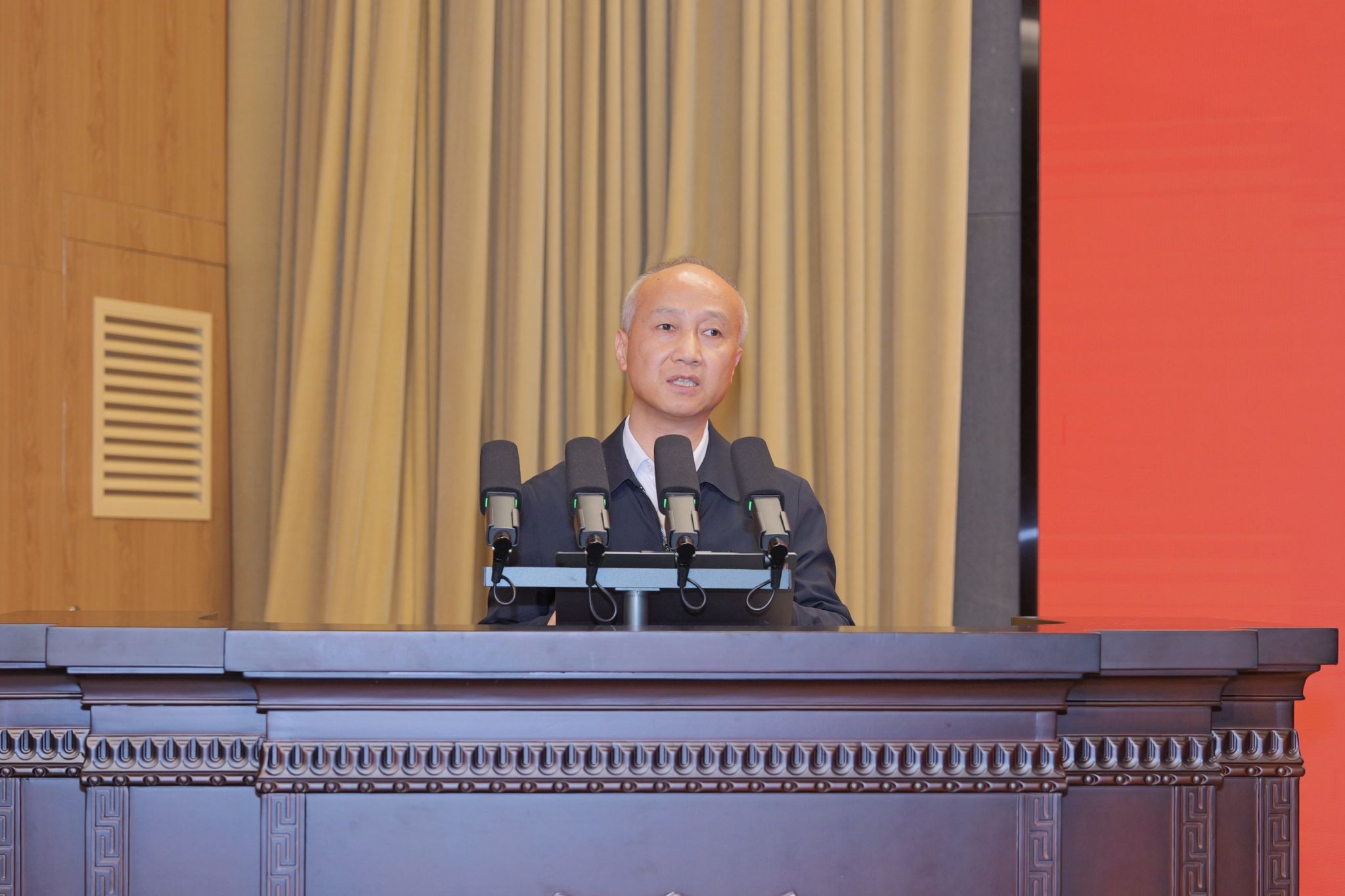
Xu Feng noted that in recent years, the overall strength of NJU's philosophy and social sciences has continued to rise, setting an example and serving as a model for universities across the province. He hopes the university will continue to play a leading role in philosophy and social sciences research in the province, demonstrating new responsibilities in the research and interpretation of the Party's innovative theories, achieving new progress in promoting interdisciplinary integration, and showcasing new accomplishments in cultivating high-level talent in philosophy and social sciences, forming a number of significant and iconic achievements, creating more cultural research brands with NJU characteristics, Jiangsu identifiers, and Chinese style, and nurturing more valuable talents in philosophy and social sciences who have a sense of "the big national issues."
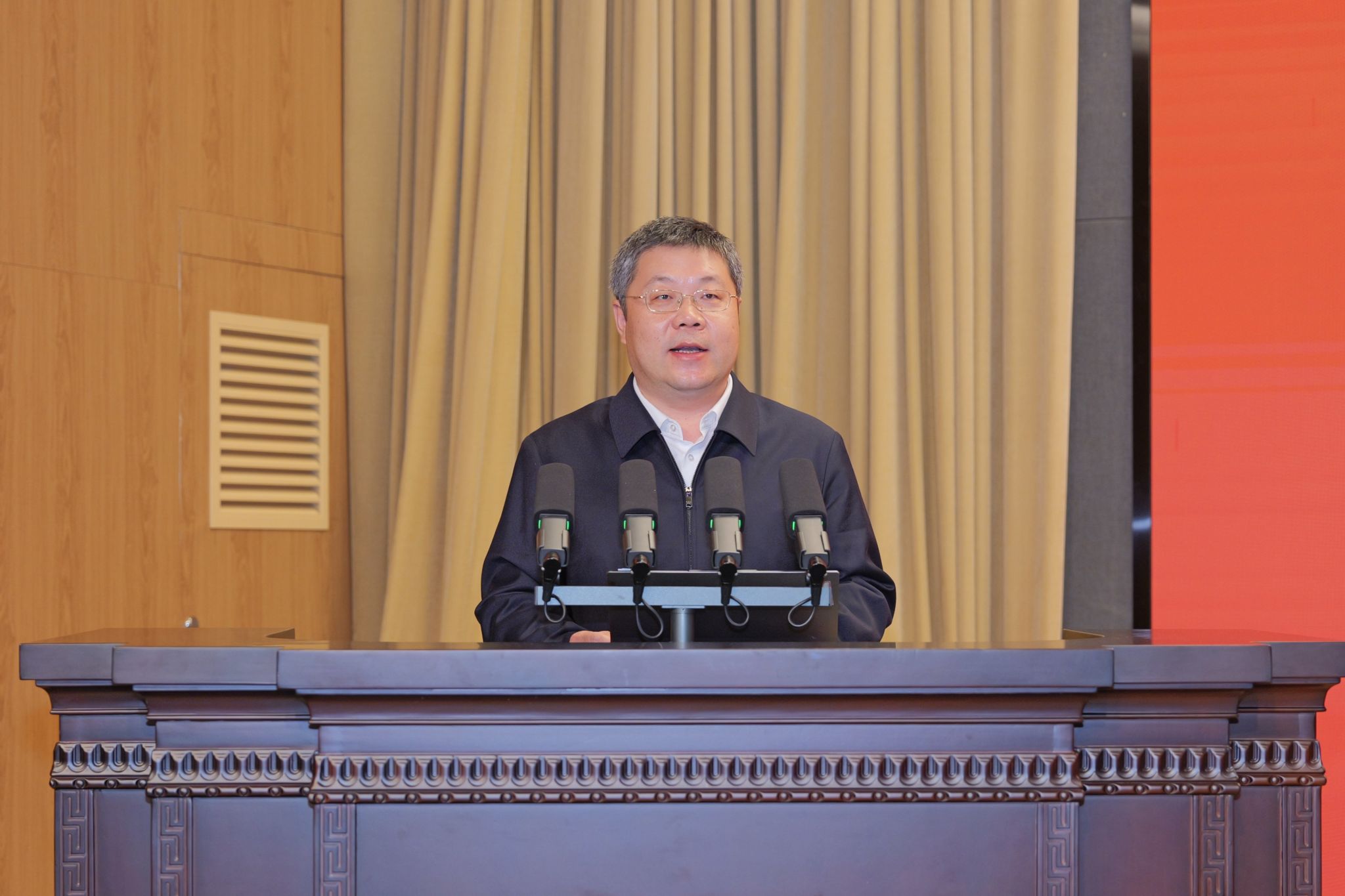
During the report segment of the conference, Chen Yunsong, Deputy Chair of NJU CPC Council, delivered a report titled "A Decade of Achievement, Building a Broad Foundation – Work Report on Advancing the Development of Humanities and Social Sciences at Nanjing University." The report systematically reviewed the achievements and experiences of the university's innovative development in the humanities over the past decade, as well as the blueprint goals and practical measures for promoting high-quality development in the humanities on the new journey. It focused on the overall goal of "building a leading domestic and international hub for the independent knowledge production of philosophy and social sciences, and an important base for serving national strategies", and proposed key tasks for the next stage of development, planning around major thematic clusters. It implemented an action plan, which aims at strengthening organized research and showcasing the political, cultural, and academic consciousness of humanities and social sciences at NJU in serving the "big national issues" and bravely shouldering the mission of the times.
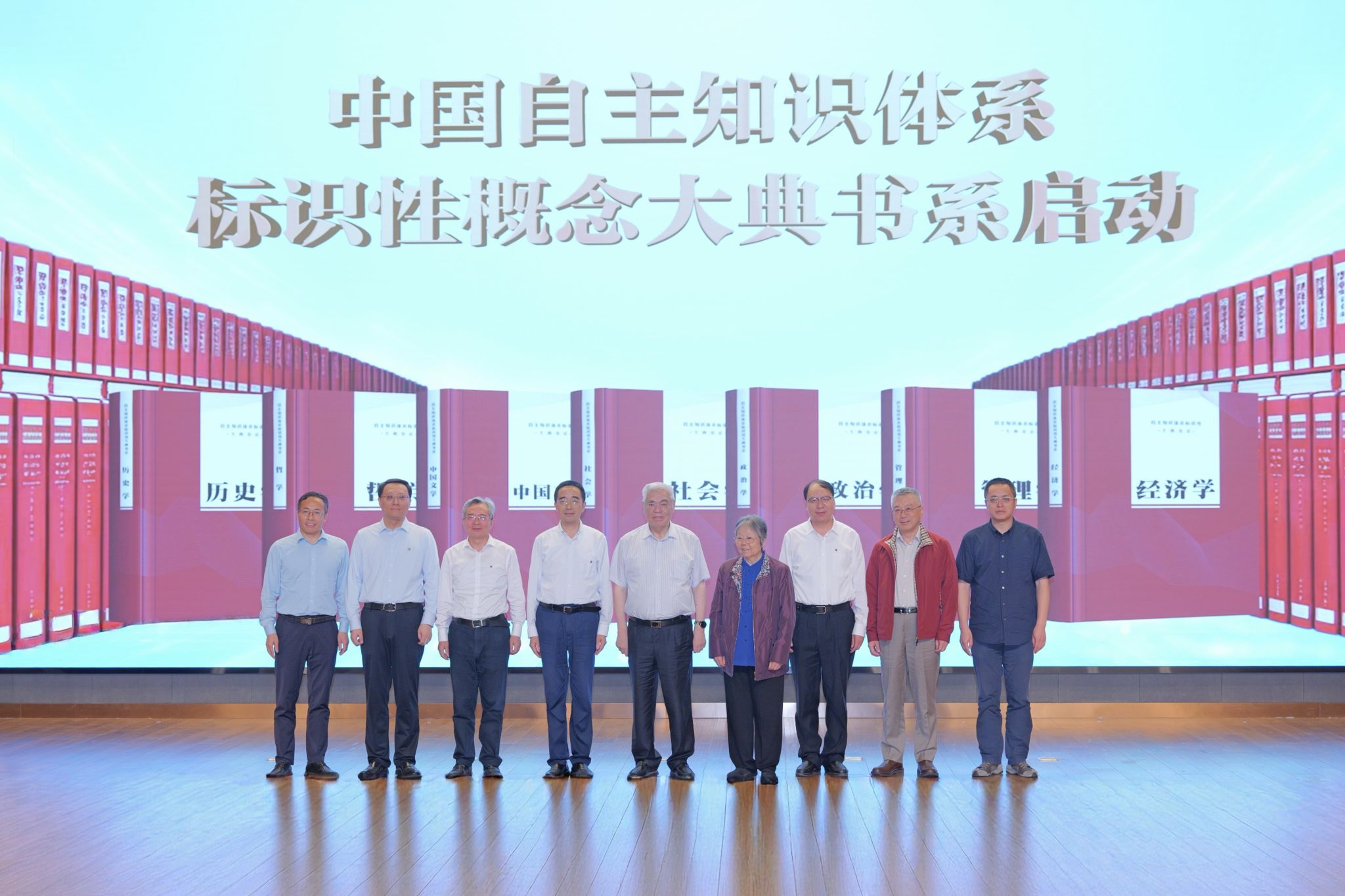
In the second phase of the meeting, a number of important achievements and key projects in the construction of the humanities and social sciences at NJU were launched and announced.
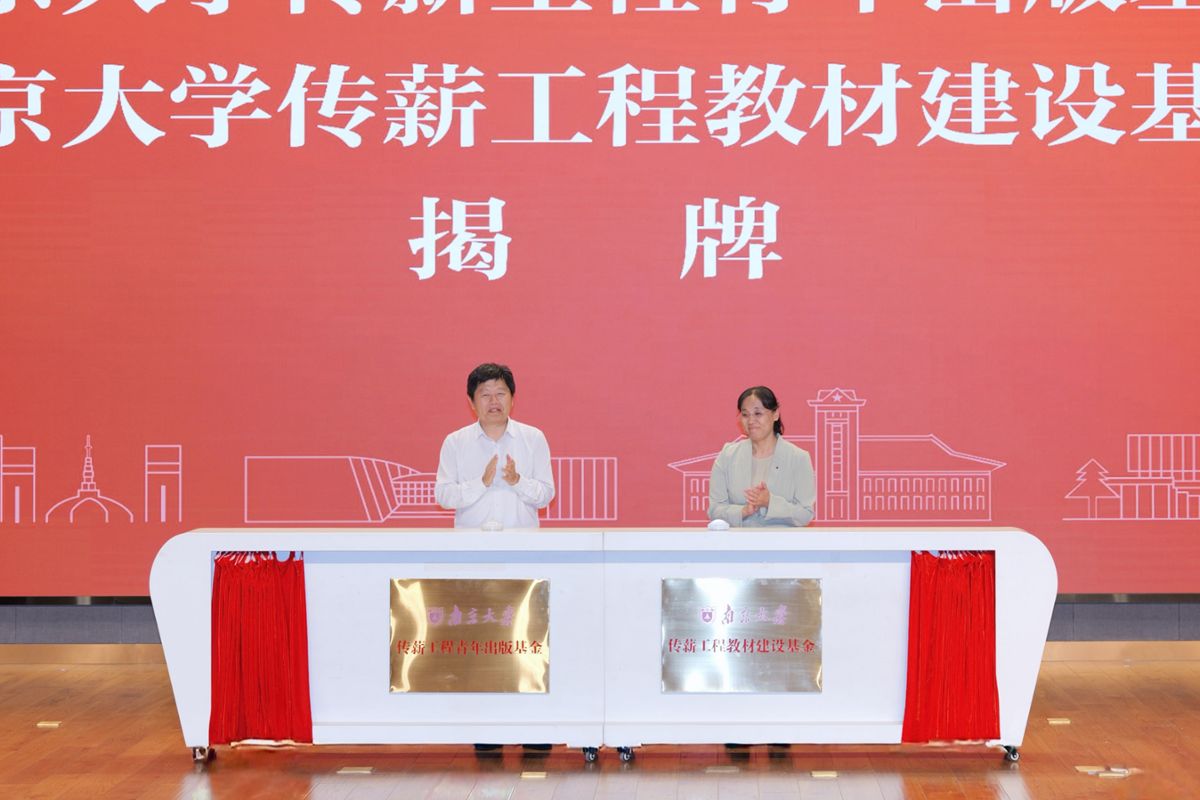
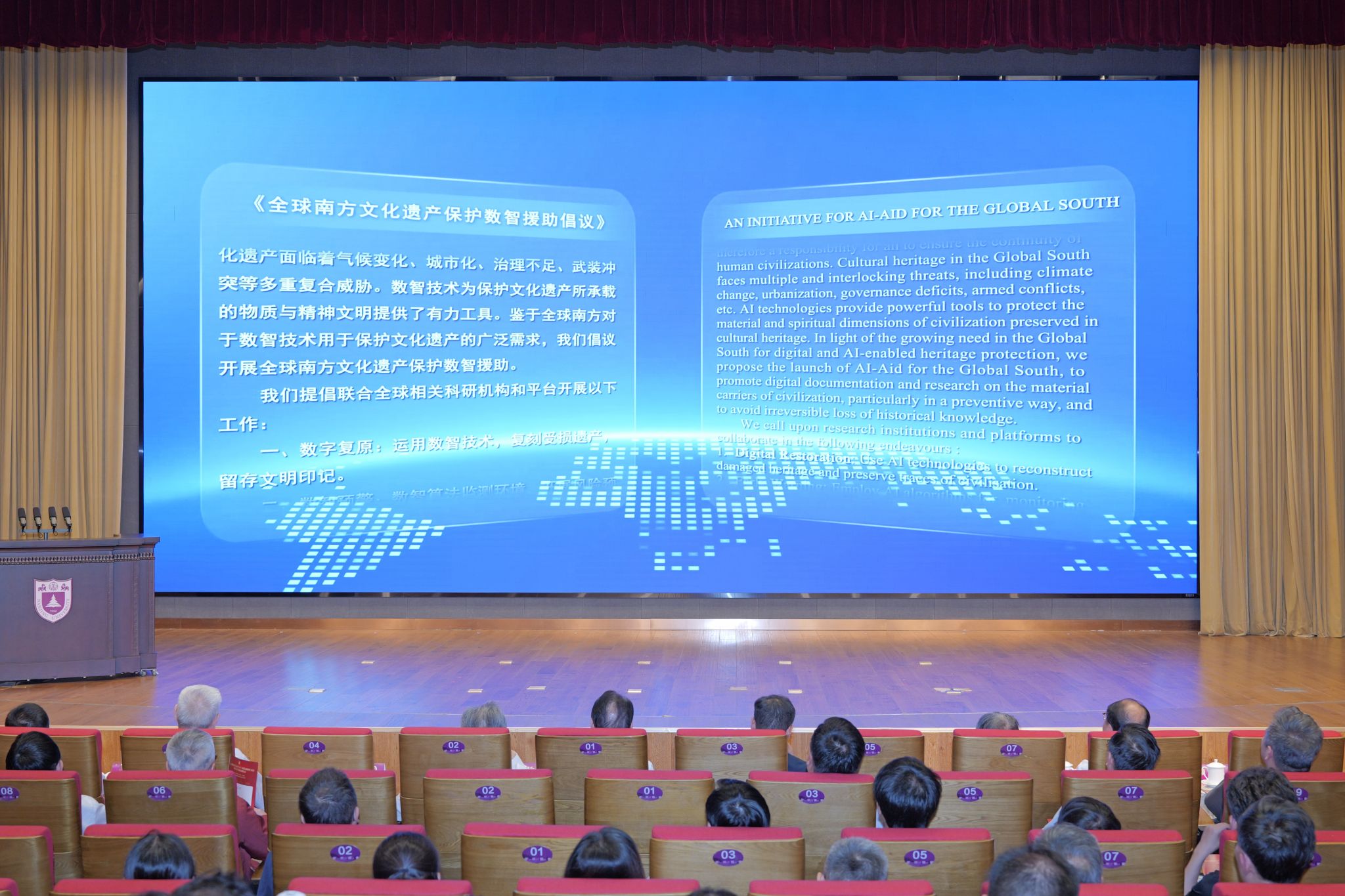
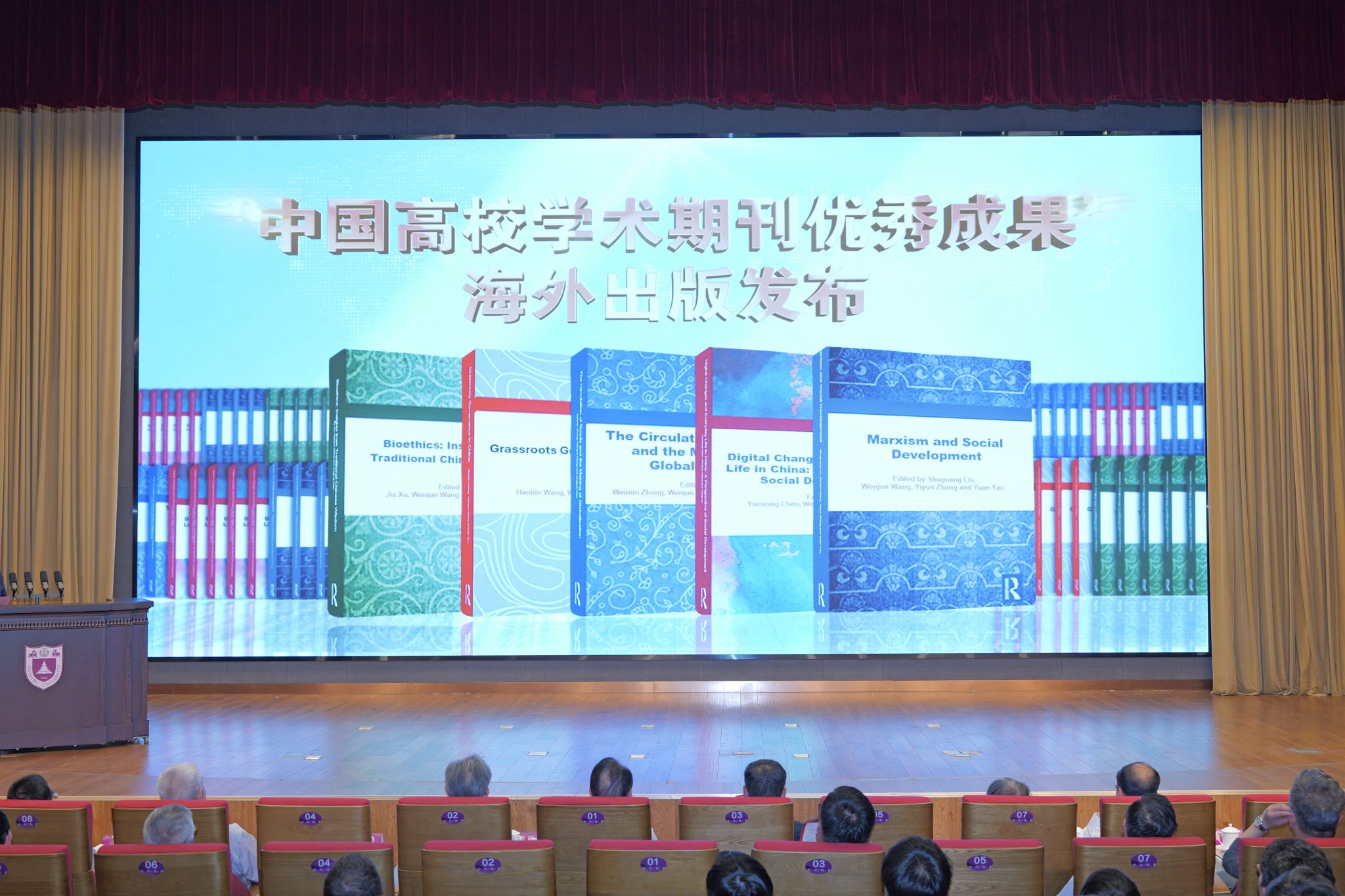
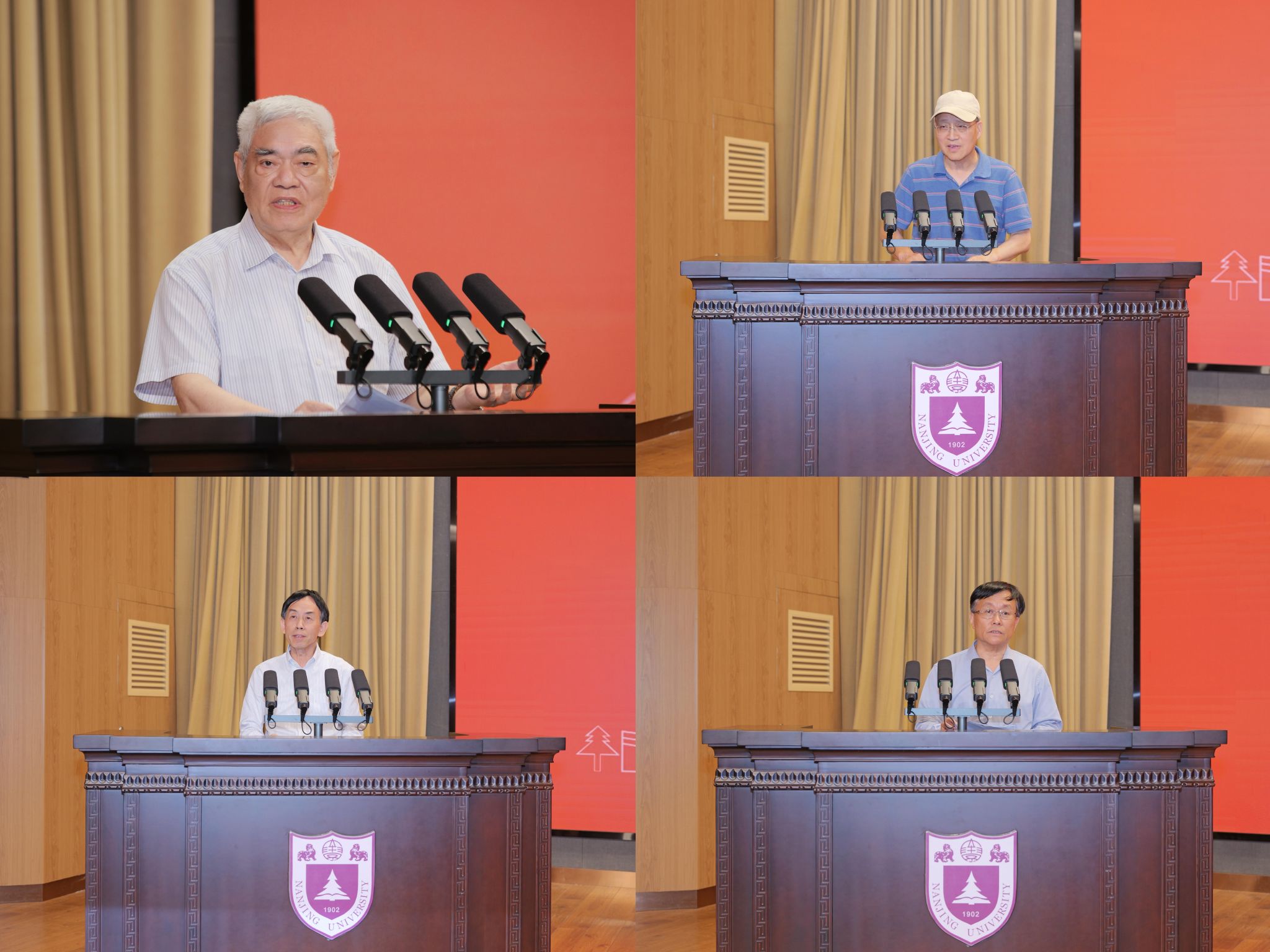
In the third phase of the meeting, during the exchange and speech segment, experts and scholars such as Hong Yinxing, Liu Zhibiao, Cheng Zhangcan, and Sun Jianjun delivered key speeches.
Young scholars such as Zhou Jiaxin, Zhang Ming, Zong Huawai, Sun Penghao, and Chen Gang reported their research and expressed the need to continue deepening interdisciplinary integration, strengthening strategic orientation, and accumulating depth, expanding patterns, and stimulating vitality for the development of the humanities and scial sciences at NJU.
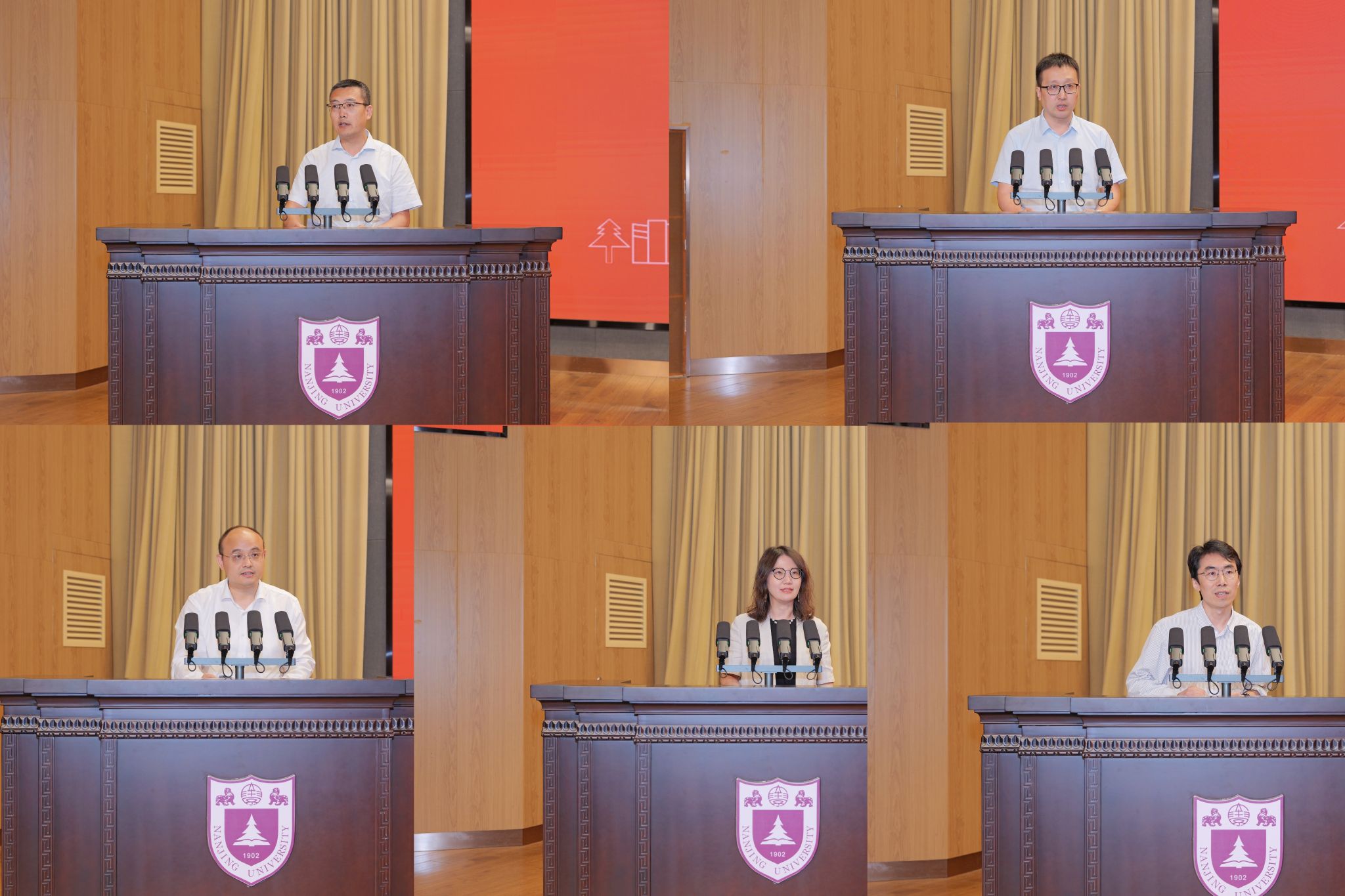
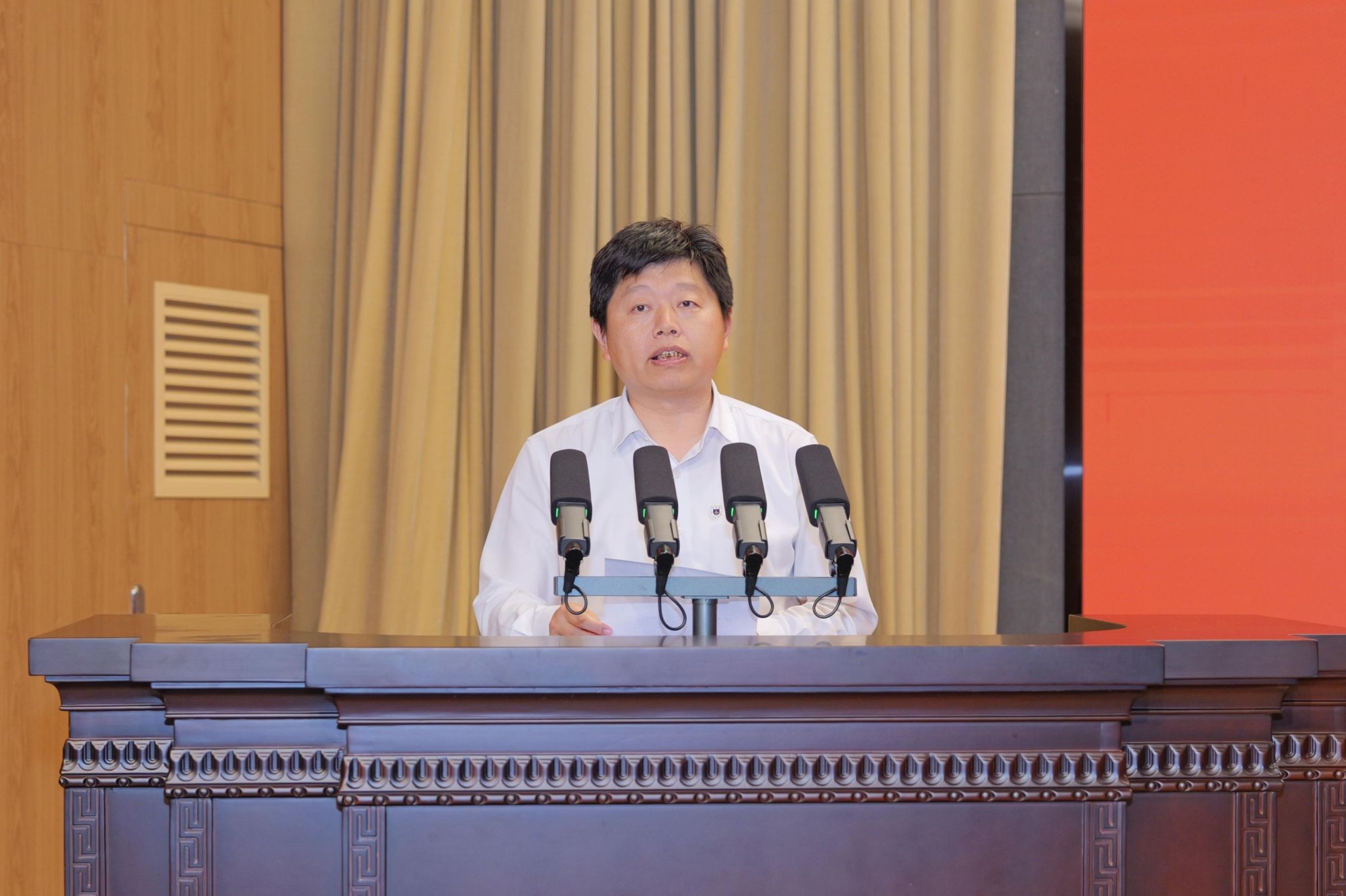
The meeting's third phase was hosted by Lu Xiancai, Member of the Standing Committee of CPC NJU Committee and Vice President of NJU.
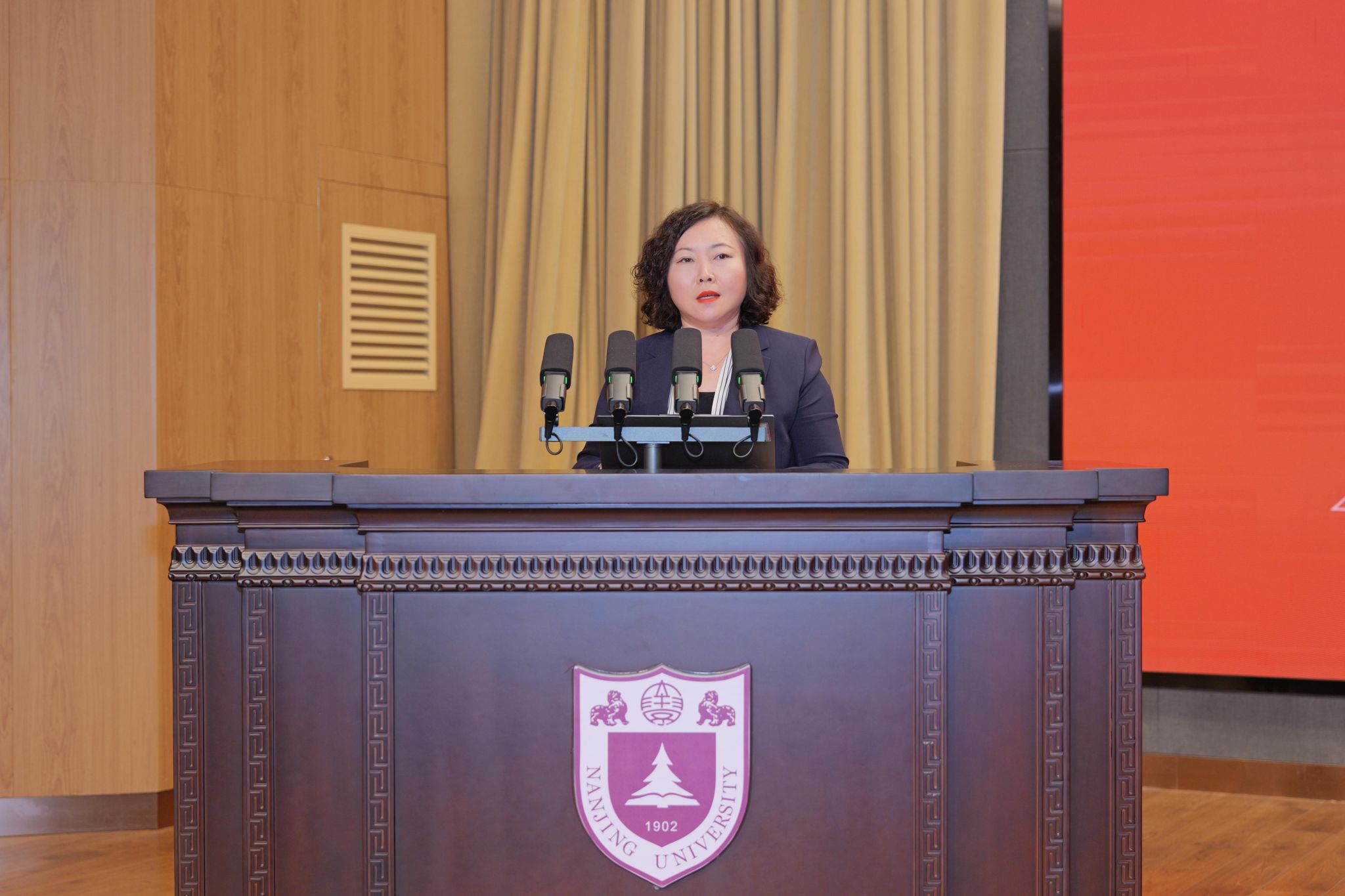
The second phase of the meeting was hosted by Gao Fang, Assistant President and Director of the Office of Humanities and Social Science.
Attending the conference were all members of the university's Party and administrative leadership team, former leaders, university distinguished professors in thumanities and social sciences, representatives of academicians, heads of key research bases in the humanities and social sciences from the Ministry of Education, heads of administrative departments, party and administrative heads of the relevant schools, key teaching and research staff, faculty representatives, and student representatives.


