On the occasion of the 55th anniversary of the establishment of diplomatic relations between China and Belgium, and China and Austria, and to further deepen cultural and scientific collaboration with these two countries while contributing to national efforts in advanced international engagement, President of Nanjing University and Chinese Academy of Sciences Academician Tan Zhemin led a delegation to Belgium and Austria from September 14 to 18. Invited by partner universities and international organizations, the delegation visited universities and institutions including Ghent University, KU Leuven (Katholieke Universiteit Leuven), Vrije Universiteit Brussel (VUB), the United Nations Industrial Development Organization (UNIDO), Austrian Academy of Sciences, International Institute for Applied Systems Analysis (IIASA), and the University of Graz. During the visit, multiple cooperation agreements were signed, and the delegation also held discussions at the Chinese Embassy in Belgium and the Chinese Embassy in Austria to pragmatically expand cooperation in science and education with Europe.
From September 14 to 16, Tan Zhemin and NJU delegation visited Belgium. At Ghent University, the delegation held talks with Vice President Herwig Reynaert. Tan Zhemin introduced the academic characteristics and strengths of NJU, sharing details of the university's reforms in talent cultivation, the core curriculum system for artificial intelligence, and the distribution of disciplines across its four campuses. He emphasized that the two universities possess strong compatibility in disciplines and a solid foundation for collaboration, and expressed hope to further foster high-quality research cooperation and talent exchange. Vice President Reynaert introduced Ghent University's exploration and practices in interdisciplinary research and international education, expressing a desire to achieve concrete results in more advantageous fields through collaboration with Nanjing University. Both sides agreed to further expand discipline cooperation into areas including particle physics, meteorology, and philosophy.
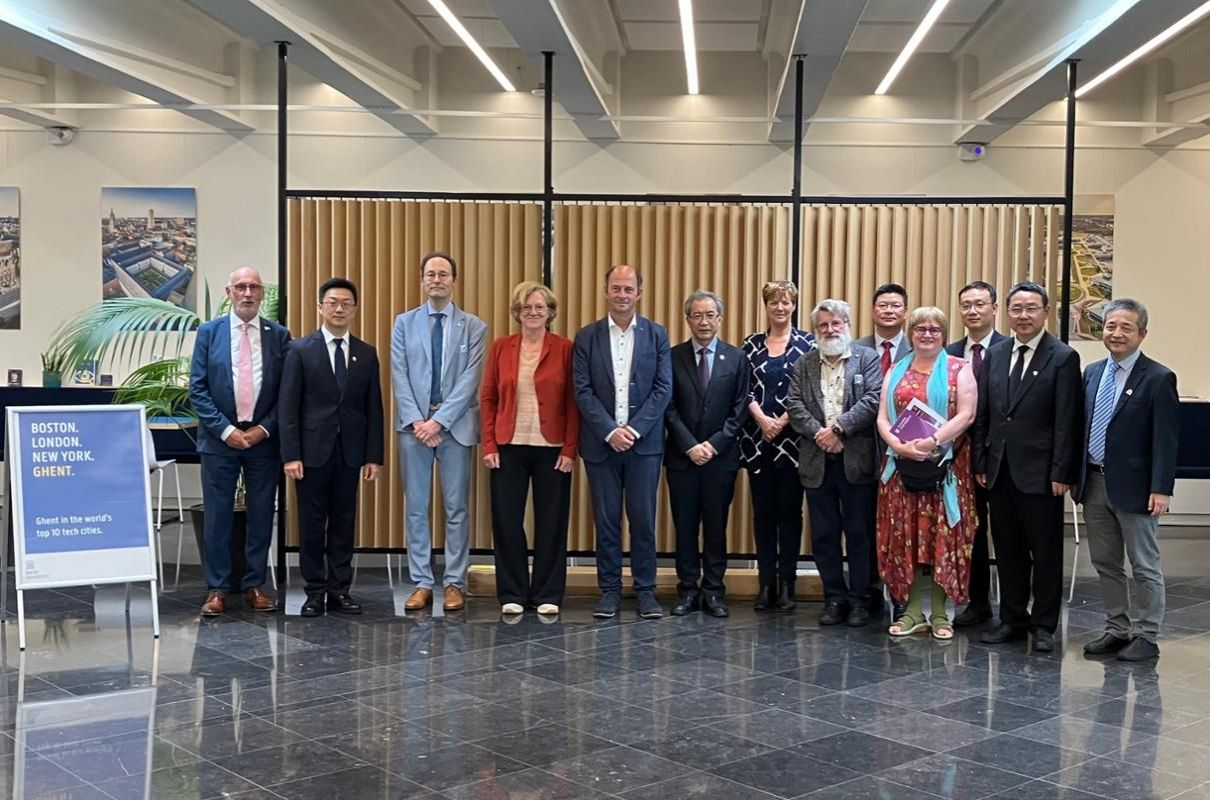
At KU Leuven, the delegation met with Vice President Stefaan Vaes. Tan Zhemin reviewed the fruitful collaboration history between the two universities since 2011, highlighting existing partnerships in fields such as physics, engineering, astronomy, and business studies. Vice President Vaes presented recent advancements in interdisciplinary research, integration of academics and industry, and internationalized education at KU Leuven. Both parties agreed to further broaden their fields of collaboration and innovate cooperation models, while continually advancing joint research in physics and electronics. Additionally, they explored new academic programs for talent cultivation in philosophical and other humanities and social science areas.
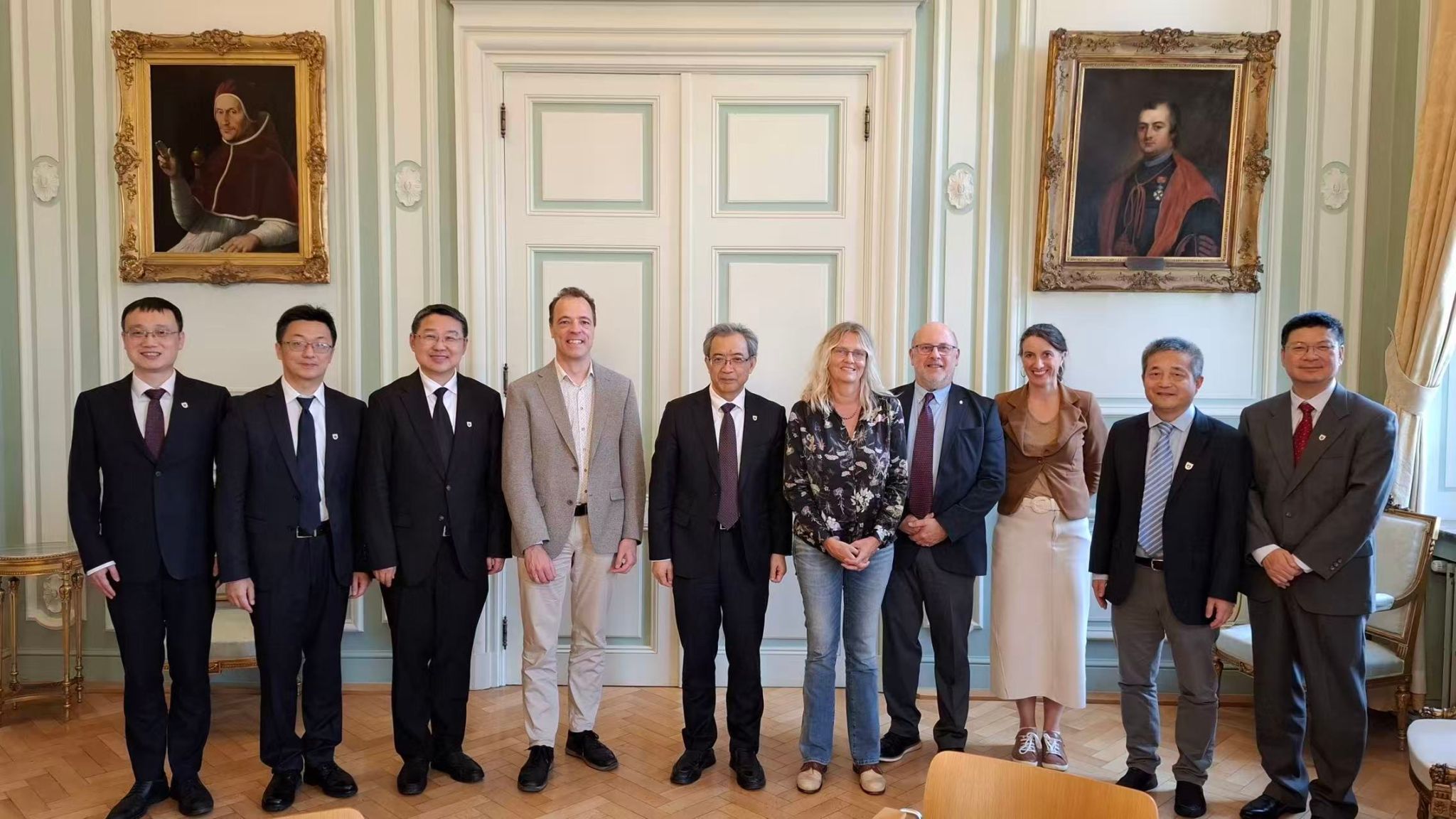
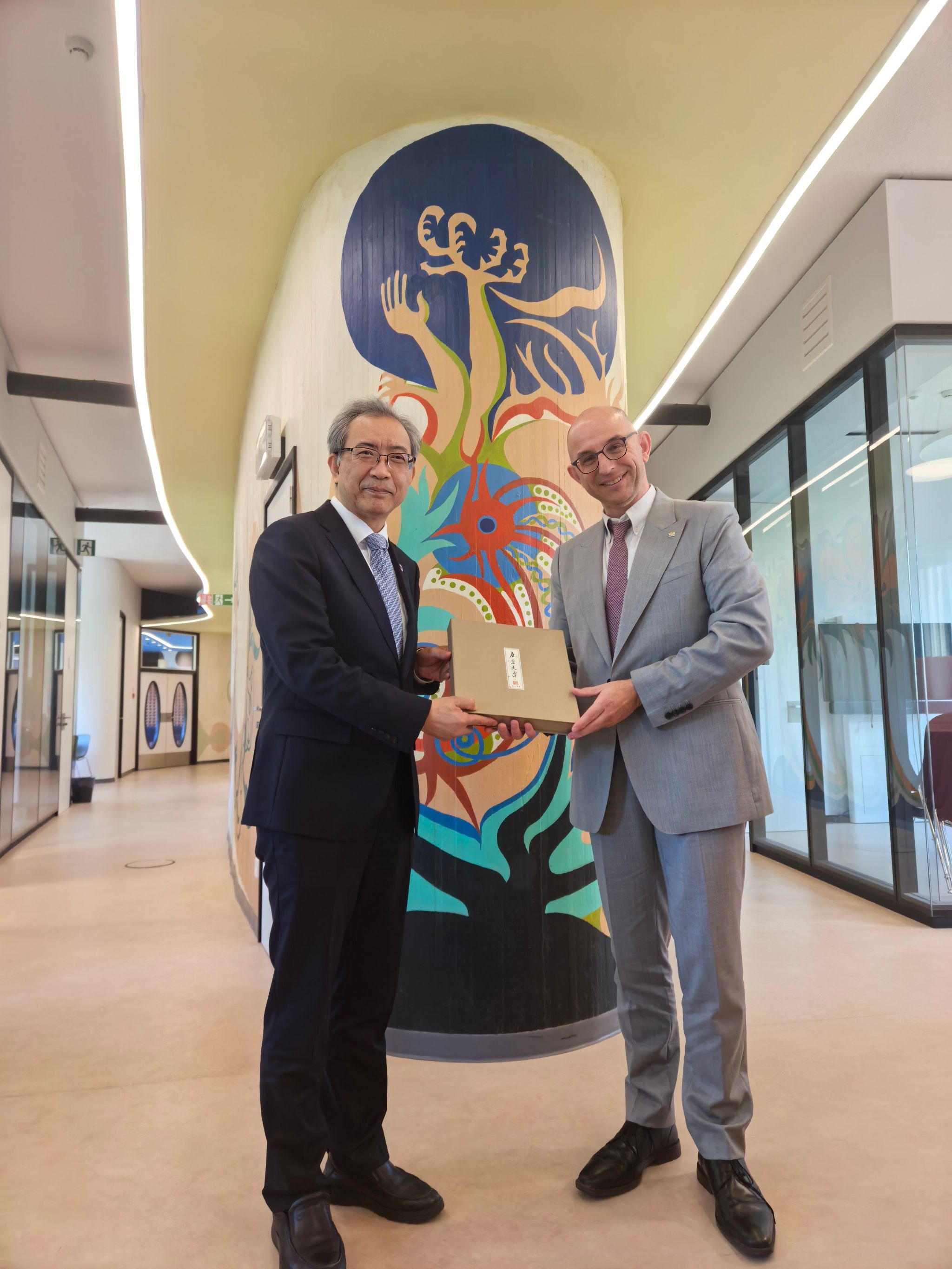
At Vrije Universiteit Brussel, Tan Zhemin and the delegation spoke with Vice President Wim Vandenbussche. Tan Zhemin detailed NJU's progress in developing new engineering curricula, general artificial intelligence education, and global research cooperation, highlighting opportunities for collaboration across multiple disciplines. Vice President Vandenbussche introduced VUB's research platforms and international collaboration in areas such as European studies, humanities, social sciences, and natural sciences. Both parties expressed intentions to establish a routine communication mechanism, focusing on exchange programs in advantageous disciplines such as business studies to deepen and solidify their partnership.
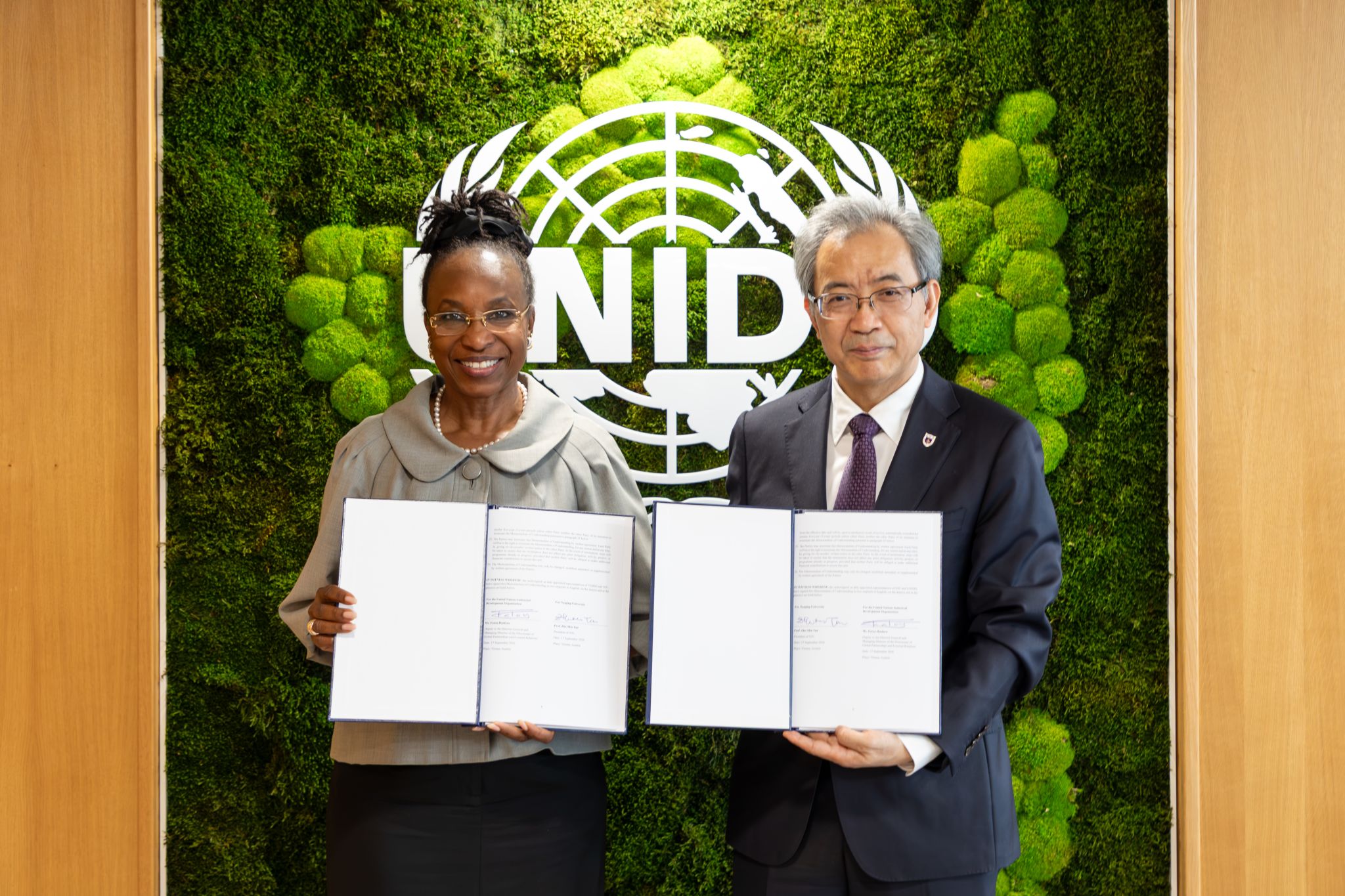
From September 17 to 18, Tan Zhemin led the delegation to Austria. During their visit to the United Nations Industrial Development Organization (UNIDO), the group held discussions with Fatou Haidara, the Executive Director of the Global Partnerships and External Relations Department acting on behalf of the Director-General. Tan Zhemin highly commended the achievements made through their collaboration thus far and highlighted NJU's exceptional strengths in talent cultivation within disciplines such as artificial intelligence, computer science, atmospheric sciences, and humanities and social sciences, emphasizing the university’s contributions to addressing global challenges. Haidara praised NJU as one of UNIDO's key Chinese university partners, lauding their deepened personnel exchanges and strengthened cooperation over the years. Both sides signed a cooperation agreement during the discussions, further expanding collaboration between NJU and international organizations.
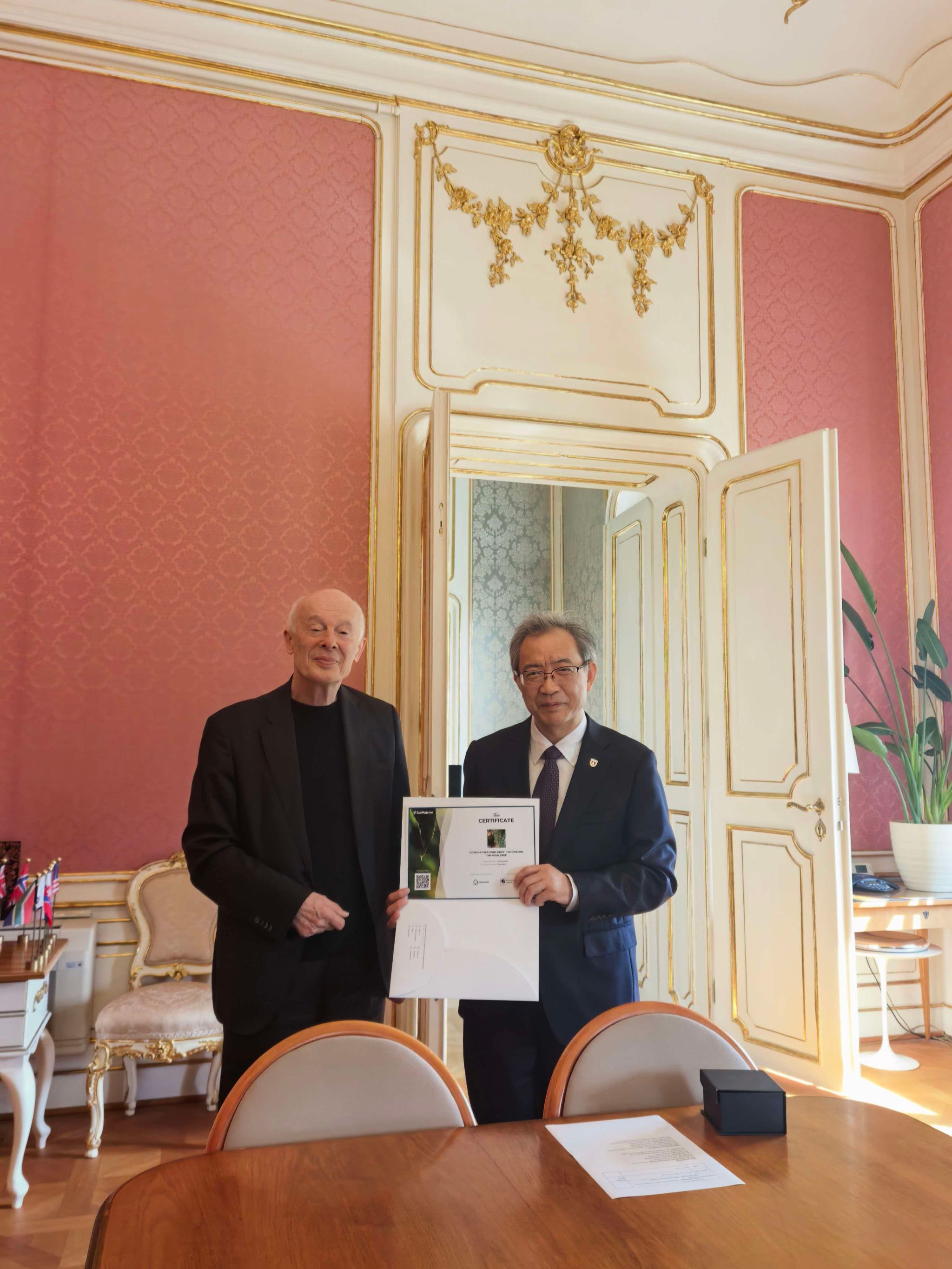
Tan Zhemin and the delegation visited the Austrian Academy of Sciences for talks with its President Heinz Fassmann. Tan reviewed the close cooperation between the two sides since signing a memorandum of understanding in 2016, noting fruitful collaborations involving Nobel laureates in quantum physics, including Anton Zeilinger. Fassmann shared updates on the academy's latest arrangements for basic research and international collaboration. Both sides agreed to broaden their disciplinary cooperation, inject fresh momentum into China-Austria scientific partnerships, and jointly drive exploration at the forefront of global basic scientific research, fostering an open and inclusive international research community.
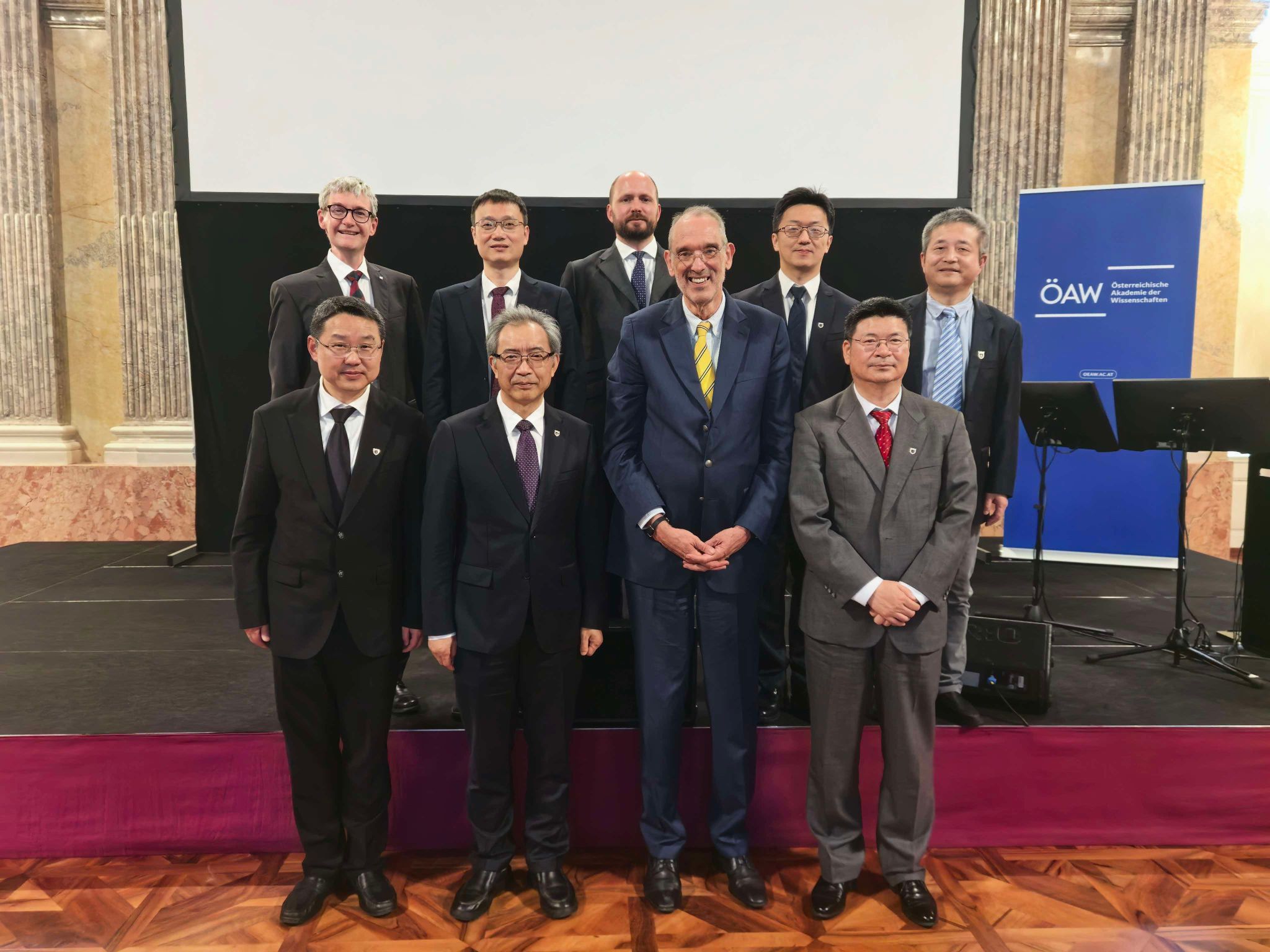
At the International Institute for Applied Systems Analysis (IIASA), discussions were held with Director General John Schellnhuber and Deputy Director General Karen Lips. Tan Zhemin elaborated on NJU's disciplinary strengths in atmospheric sciences, environmental science, and Earth system science research. Schellnhuber introduced IIASA's latest achievements in interdisciplinary systems analysis and policy-oriented studies. Both parties reached a consensus on activities such as doctoral student summer programs, joint research projects, and personnel exchanges, leveraging IIASA's international platform and NJU's academic advantages to advance global sustainable development research and address challenges such as climate change and population-resource imbalances.
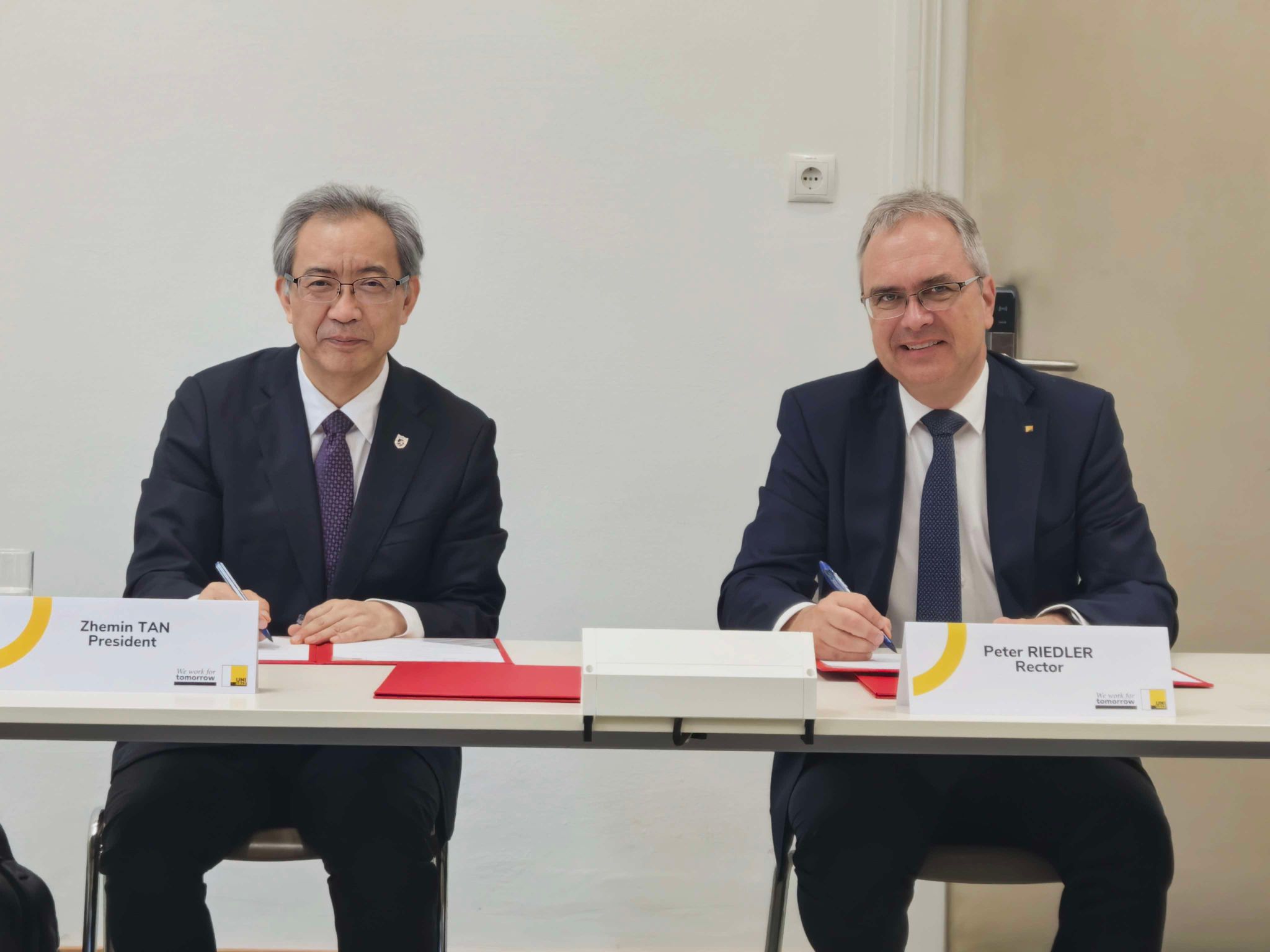
Tan Zhemin and the delegation also visited the University of Graz, meeting with its President Peter Riedler and colleagues. Tan Zhemin reviewed the substantive cooperation between the two institutions in scholar visits, student exchanges, joint publications, and research projects, expressing optimism for deeper mutual cooperation given the solid foundation between the two universities. Riedler welcomed Tan Zhemin's return visit and introduced new progress in international education and interdisciplinary research at the University of Graz. Together, they renewed a framework cooperation agreement and a student exchange agreement while exploring innovative collaboration models in business studies, philosophy, atmospheric sciences, and physics. They also agreed on joint academic programs for students.
During the European visit, President Tan Zhemin also paid courtesy visits to Chinese Ambassador to Belgium Fei Shengchao and Acting Ambassador at the Chinese Embassy in Austria Wang Tao to discuss NJU's achievements in collaboration with European counterparts and future plans. At the Chinese Embassy in Belgium, Tan Zhemin gave a specialized lecture on extreme weather and China-Europe scientific collaboration.
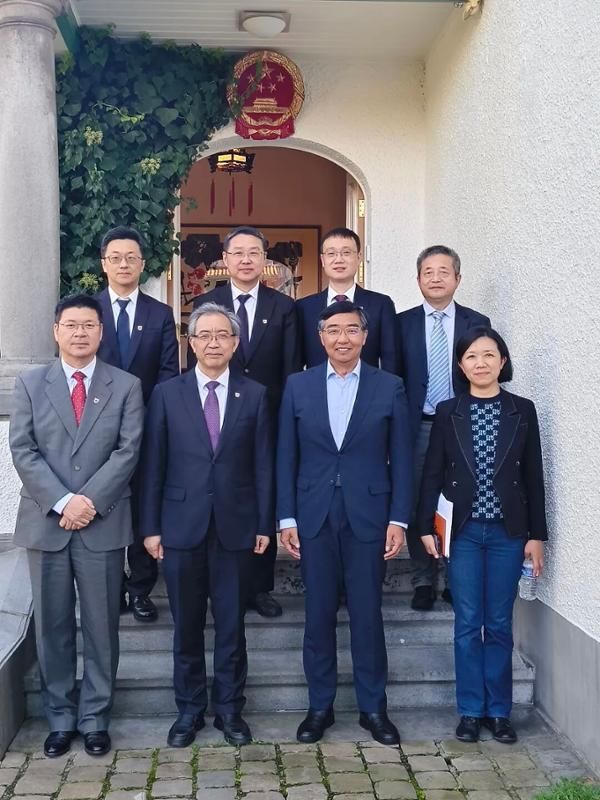
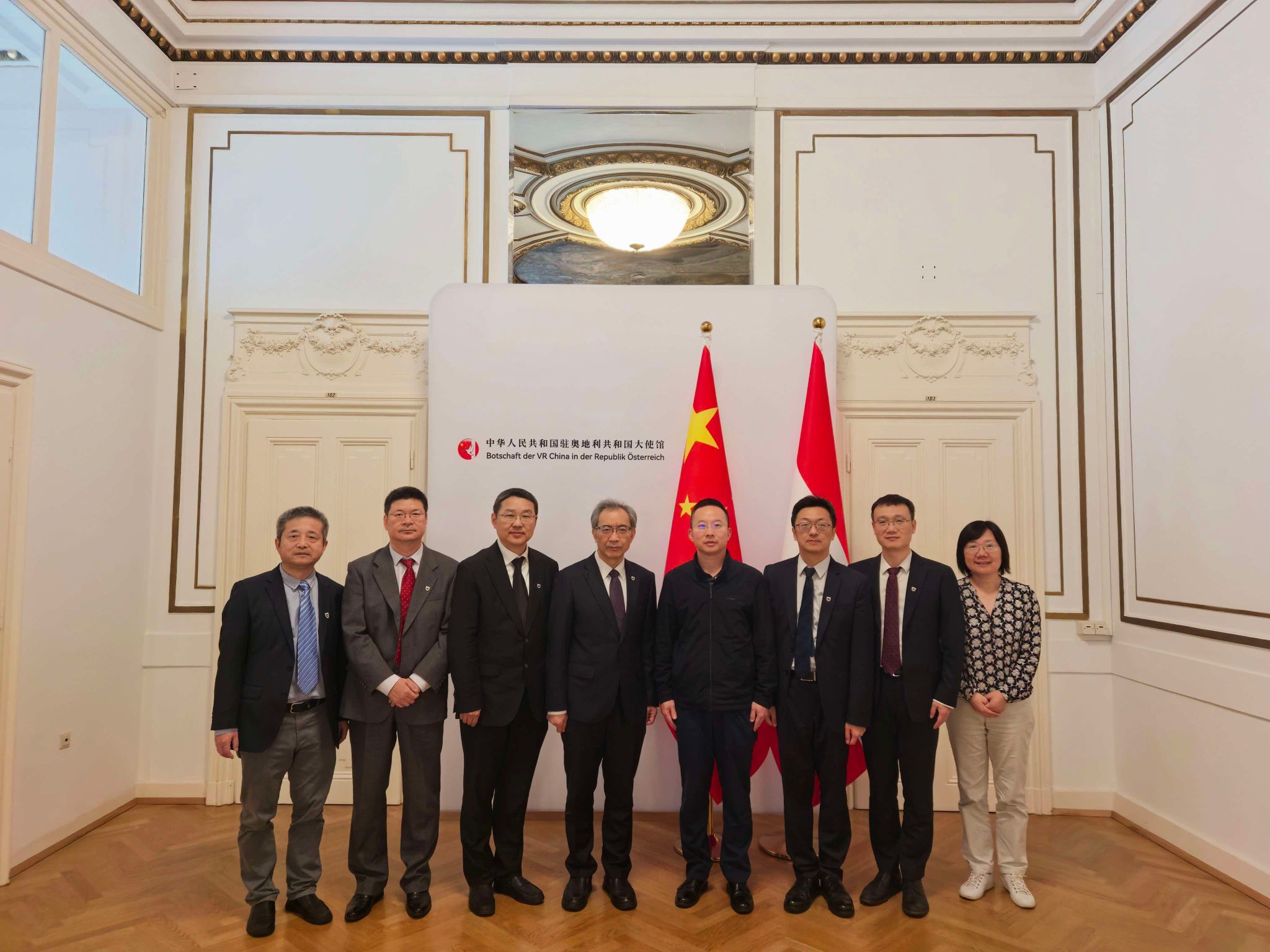
Representatives from relevant schools and departments including the School of Philosophy, Business School, School of Physics, School of Electronics Science and Engineering, and the International Affairs accompanied the delegation for this visit.


