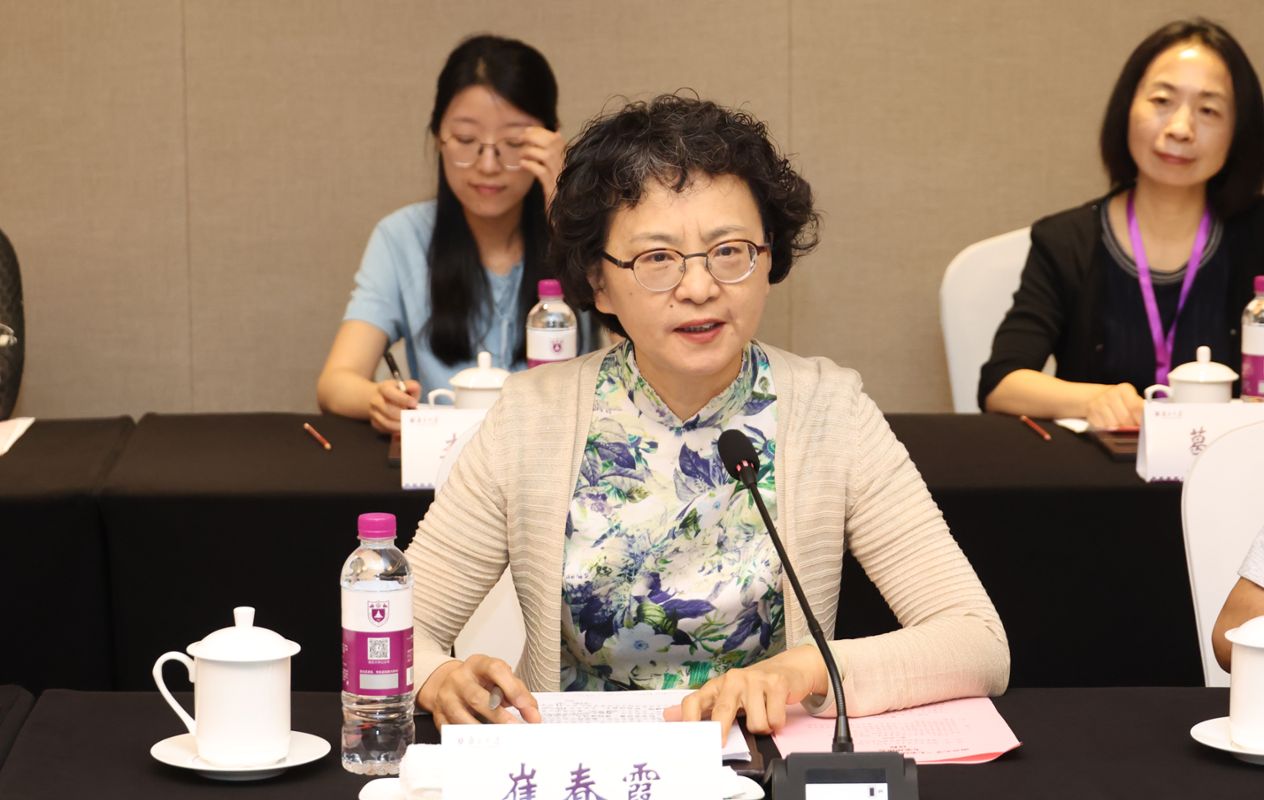
On June 4, Ding Xiangyang, the Chairperson of the Education Ministry's Calligraphy Education Guidance Committee (hereinafter referred to as the "Calligraphy Education Guidance Committee"), led a delegation to Nanjing University to conduct research on the construction of the general course "Great Beauty of Chinese Characters". A symposium was held on the Xianlin Campus. Attending experts and participants included Sun Xiaoyun, member of China Central Institute for Culture and History, Chairperson of the China Calligraphers Association, and Dean of the Chinese Calligraphy Research Institute at NJU; Tan Tieniu, Chair of NJU CPC Council and Academician of the Chinese Academy of Sciences; Xu Ning, Deputy Director of the Jiangsu Provincial Publicity Department; Cui Chunxia, secondary inspector of the Jiangsu Education Department, who delivered speeches.
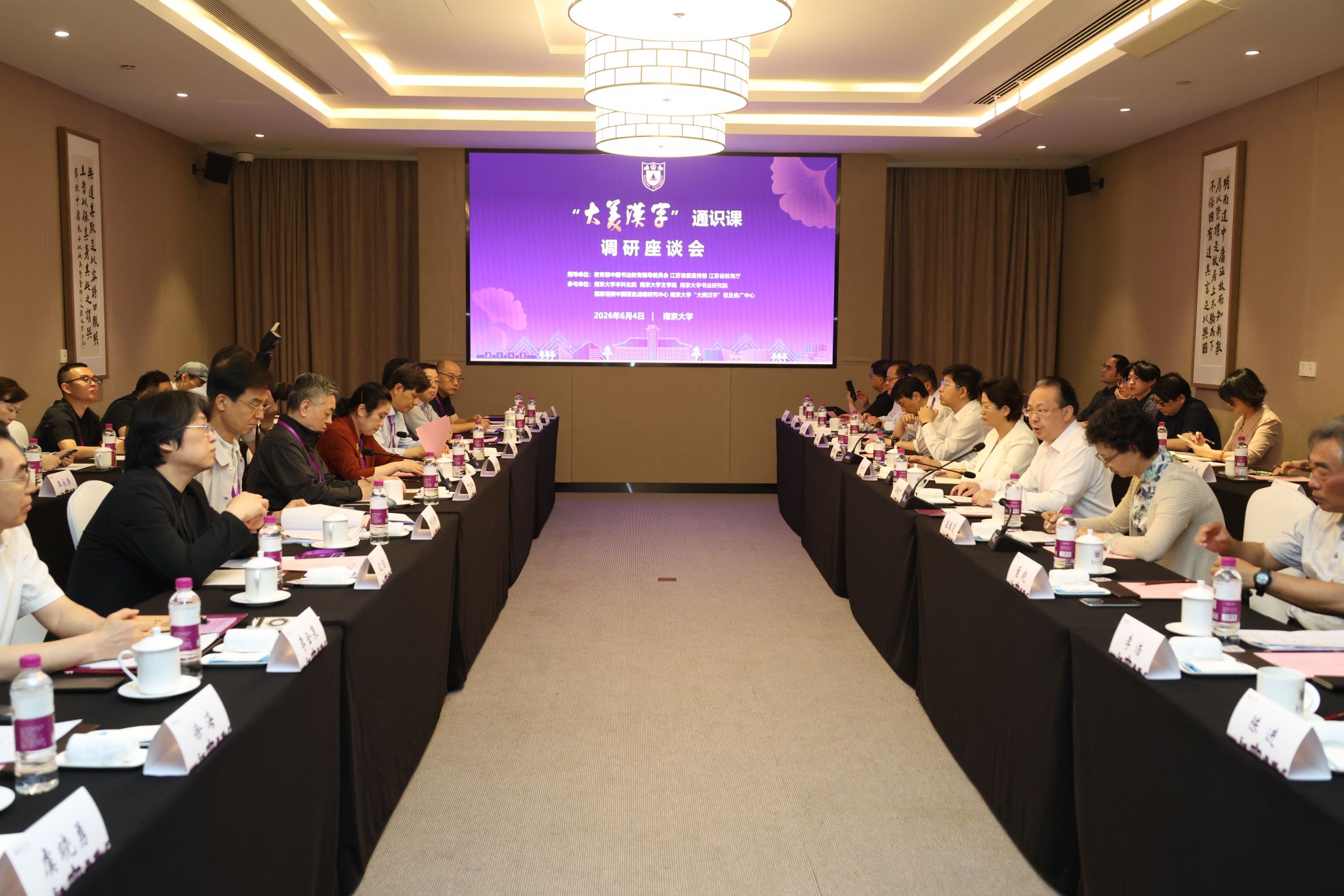
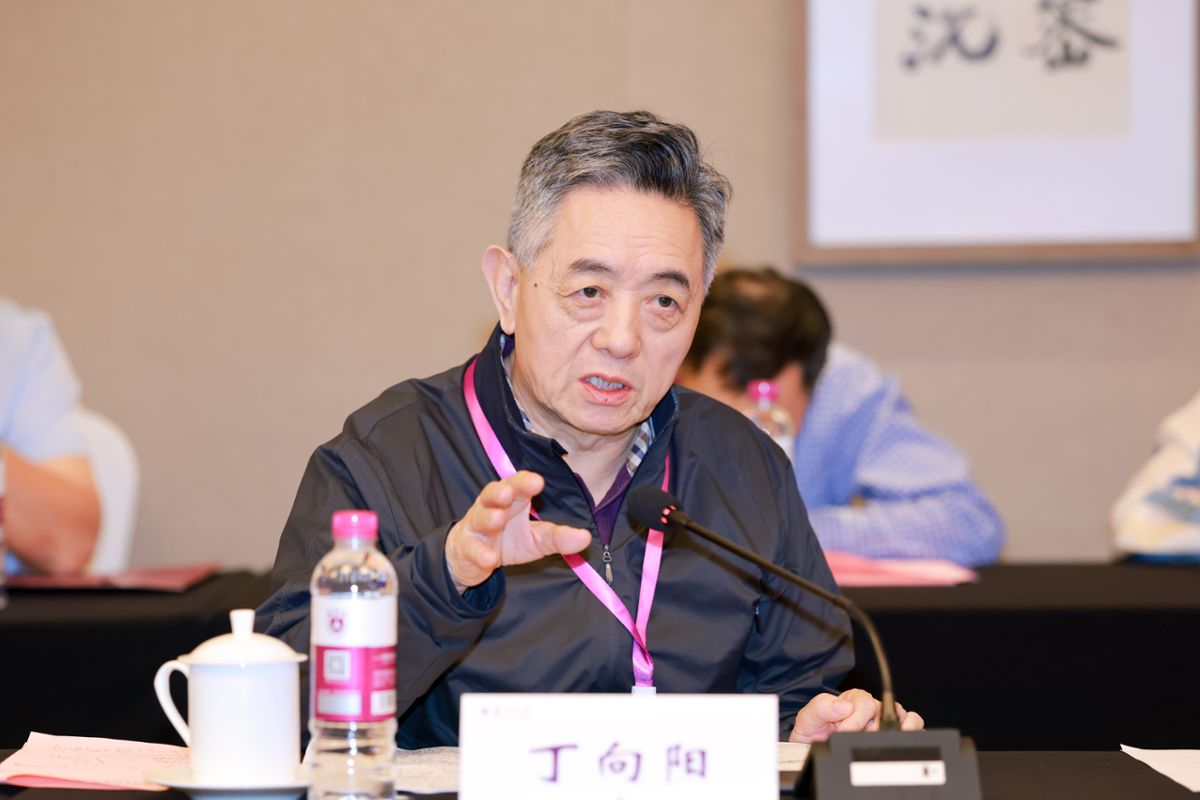
In his summary speech, Ding Xiangyang stated that NJU has actively promoted the inheritance and development of China's outstanding language and culture, established a center for promoting "Great Beauty of Chinese Characters" course, and adopted multiple measures to build the course. By taking course construction as the key focus, organizational assurance as strong support, and resource integration as an effective path, the university has developed valuable experience worth referencing. The Committee should, from the strategic perspective of the Chinese nation's sustainable development, continue to promote the in-depth and substantive implementation of the general coure across the country. Under the guidance of the Ministry of Education, the Committee will continually broaden the scope and depth of calligraphy education, promote the full integration of calligraphy-based aesthetic education into talent development, and ensure that calligraphy becomes an important vehicle for students to cultivate their interests, deepen their sense of national identity, and enrich their spiritual lives, thereby contributing to the cultivation of well-rounded, versatile, and high-calibre talent.
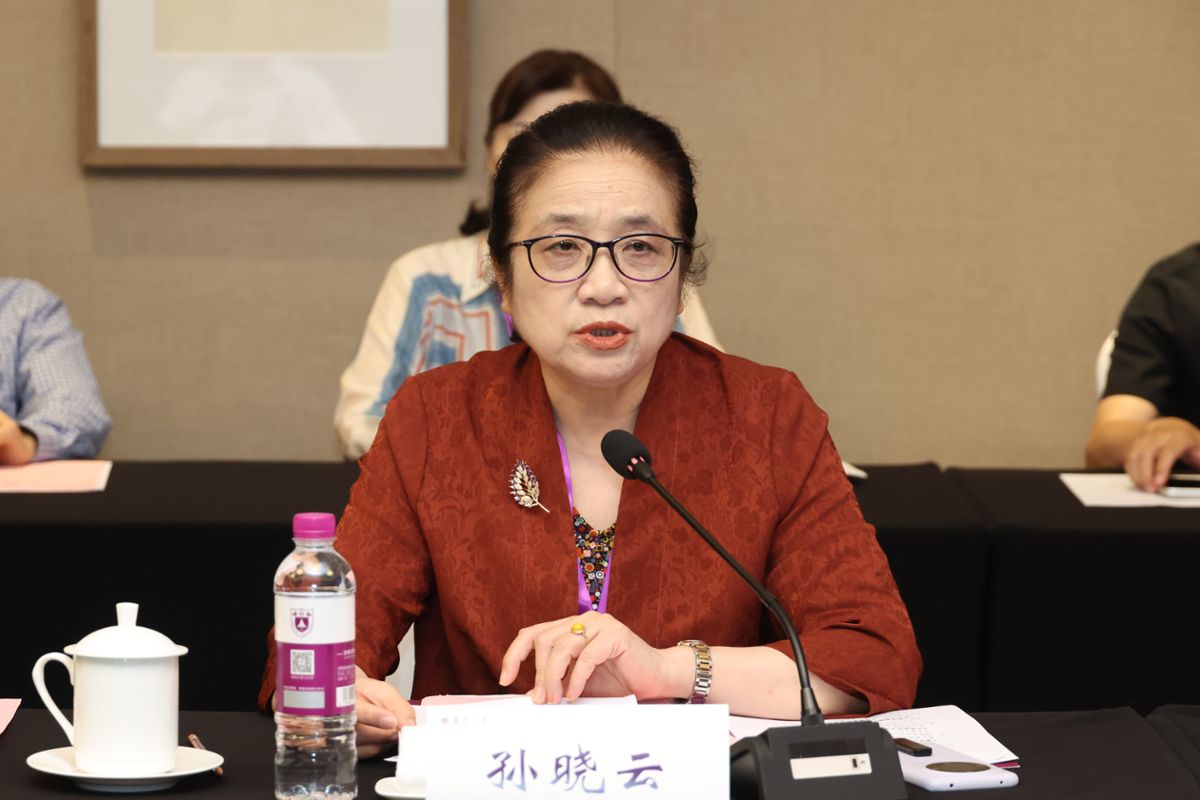
In her speech, Sun Xiaoyun reviewed the original intention and general overview behind offering the "Great Beauty of Chinese Characters" general course at NJU, as well as the achievements and reception of the course over the past two years. She noted that along with the "General Education and Applications of Artificial Intelligence" course offered by NJU, this represents a dual approach that bridges the humanities and sciences. The course has been well-received among both students and the broader society, and it has been selected by the Ministry of Education and the State Language Commission as an "Outstanding Case of Education in Inheriting China's Excellent Language and Culture for 2025." She hoped that, with the guidance of the Calligraphy Education Guidance Committee, the active cooperation of the China Calligraphers Association, the enthusiastic attention of all sectors of society, and the participation of the university's students, the "Great Beauty of Chinese Characters" course would continue to thrive.
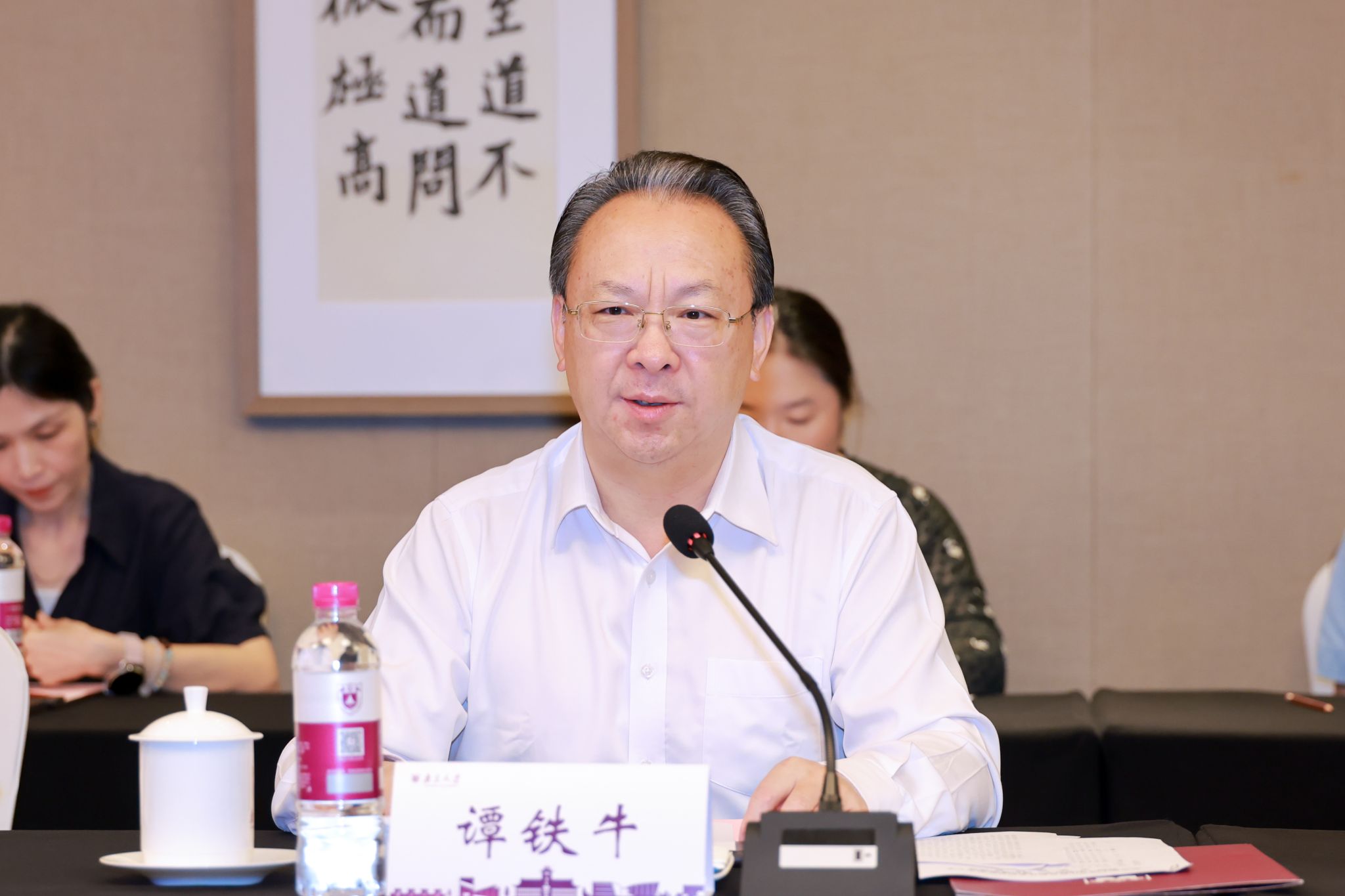
Tan Tieniu emphasized that the simultaneous introduction of "Great Beauty of Chinese Characters" and the first national general course on AI in 2024 represents a landmark step in reforming undergraduate education by strengthening the integration of scientific and technological education with humanities education. He noted that NJU has a rich tradition and deep foundation in aesthetic education. Under the leadership of Professor Sun Xiaoyun, the "Great Beauty of Chinese Characters" course has enabled students to deeply appreciate the cultural and artistic value of Chinese calligraphy, promoting the inheritance of China's outstanding traditional culture and earning warm reception from domestic and international students. He hoped that, under the guidance of the Committee, the course could achieve even better results and establish unique characteristics, encouraging more young people to approach, understand, and love Chinese characters. By enabling the beauty of Chinese characters and the charm of calligraphy to flourish in campuses and extend into society, the course contributes fresh vitality and contemporary relevance to the inheritance and innovation of China's excellent traditional culture.
Xu Ning shared her experience of witnessing and participating in the conception, implementation, and initial success of the "Great Beauty of Chinese Characters" course at NJU. She attributed the encouraging results achieved over the past two years to the strong emphasis placed on the course by the Calligraphers Association and the university's Party Committee. As a new educational initiative, this course has also garnered great attention from the Jiangsu Provincial Party Committee and the Provincial Government. She expressed her hope that the course would further guide young students to realize, create, and contribute to broader social services while deepening their understanding of China's outstanding traditional culture, Chinese characters, and calligraphy.
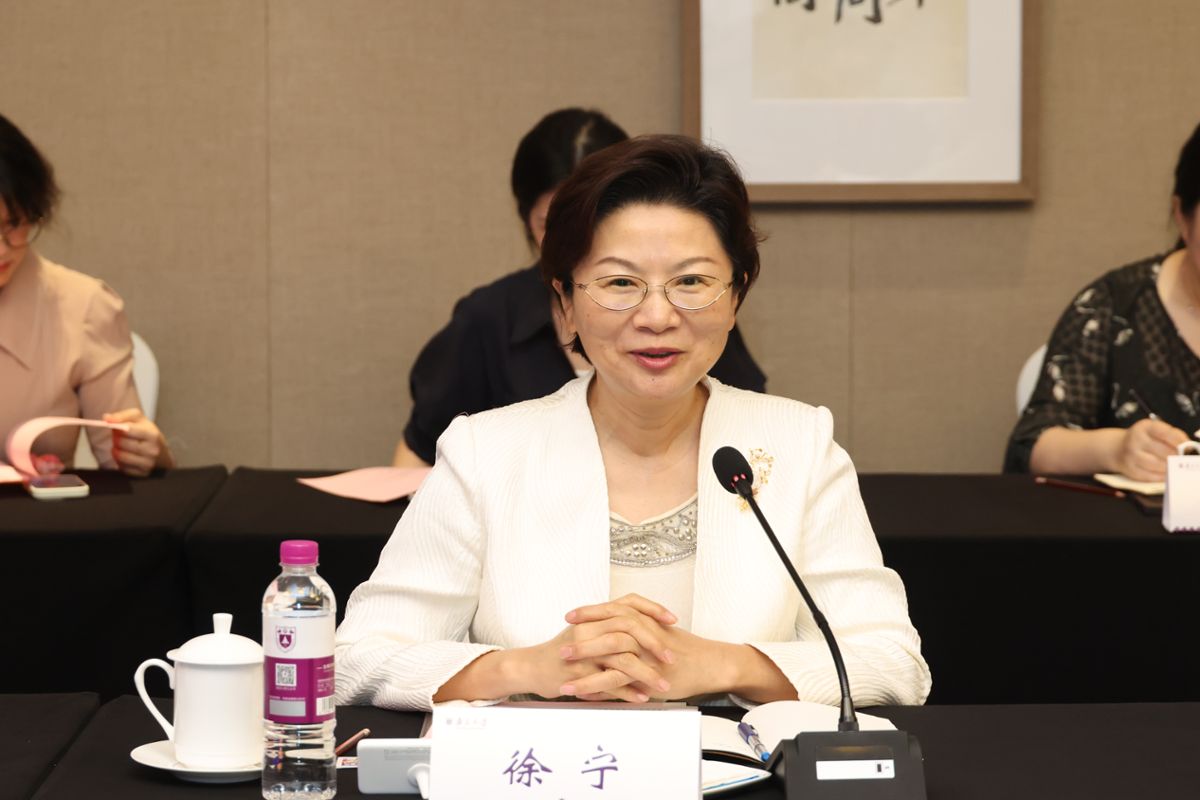
Cui Chunxia stated that Chinese characters are the genetic code of Chinese culture, and calligraphy is a treasure of China's outstanding traditional culture, as well as an important medium of aesthetic education in schools. She introduced Jiangsu Province's achievements in promoting aesthetic education, particularly in calligraphy, while highlighting the solid foundation NJU holds in this regard. The "Great Beauty of Chinese Characters" course, she noted, is a vibrant and distinguished symbol of the university. She looked forward to using this symposium as an opportunity to further elevate calligraphy education in Jiangsu Province to a new level.
During the discussion, the Vice Dean of the School of Liberal Arts, Cheng Shaoxuan, representing the course team, introduced the implementation of the "Great Beauty of Chinese Characters" course. Student representatives Chen Yifan and Zhang Jingsheng shared their insights and takeaways from the course. Committee members Pan Shanzhu, Shen Hao, Xu Mingjun, Xu Hai, and Liu Li conducted in-depth discussions on topics such as the inheritance of Chinese character culture, the promotion of calligraphy education, and the development of the "Great Beauty of Chinese Characters" course.
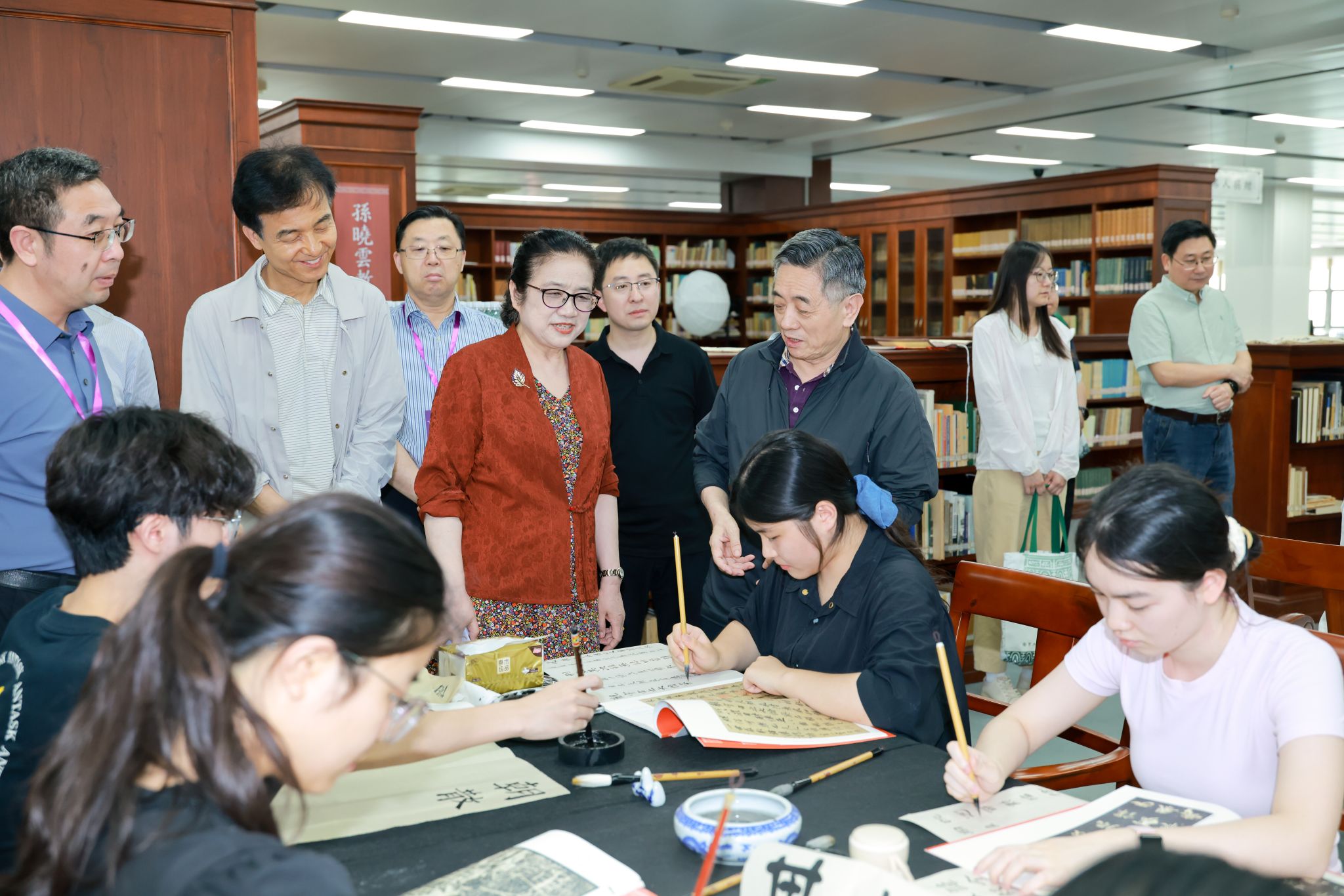
After the symposium, the delegation visited the "Great Beauty of Chinese Characters" writing practice area to observe the implementation of calligraphy practice teaching. They then attended a lecture titled "The Tradition of Calligraphy Studies at Nanjing University," delivered by the course’s chief professor, Xu Xingwu, from the School of Liberal Arts. The delegation gained an understanding of the advanced and continuous calligraphy tradition initiated at Nanjing University by previous generations.
The symposium was chaired by Lu Xiancai, Member of the Standing Committee of the CPC NJU Committee and Vice President of NJU. Gao Fang, Assistant President of NJU and Director of the Department of Humanities and Social Sciences, accompanied the visit.


