On June 1, Tan Tieniu, Chair of Nanjing University CPC Council and Academician of the Chinese Academy of Sciences (CAS), led a delegation to visit Aluminum Corporation of China (hereinafter referred to as "Chinalco") and China National Petroleum Corporation (hereinafter referred to as "CNPC") for research, focused on deepening university-enterprise cooperation and promoting collaborative innovation in industry, academia, research, and applications. Duan Xiangdong, Party Secretary and Chairman of Chinalco; and Dai Houliang, Party Secretary, Chairman of CNPC, and Academician of the Chinese Academy of Engineering (CAE), attended the relevant meetings.
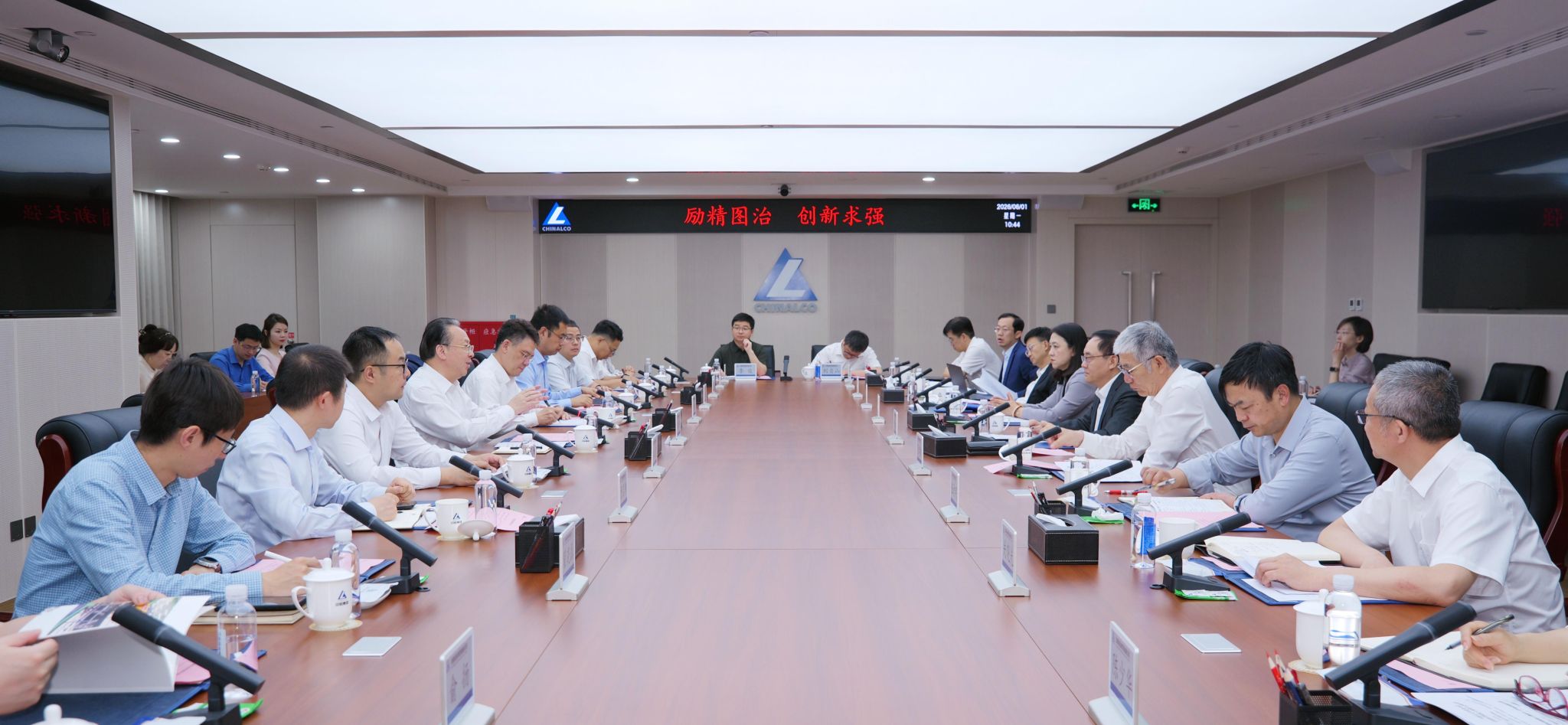
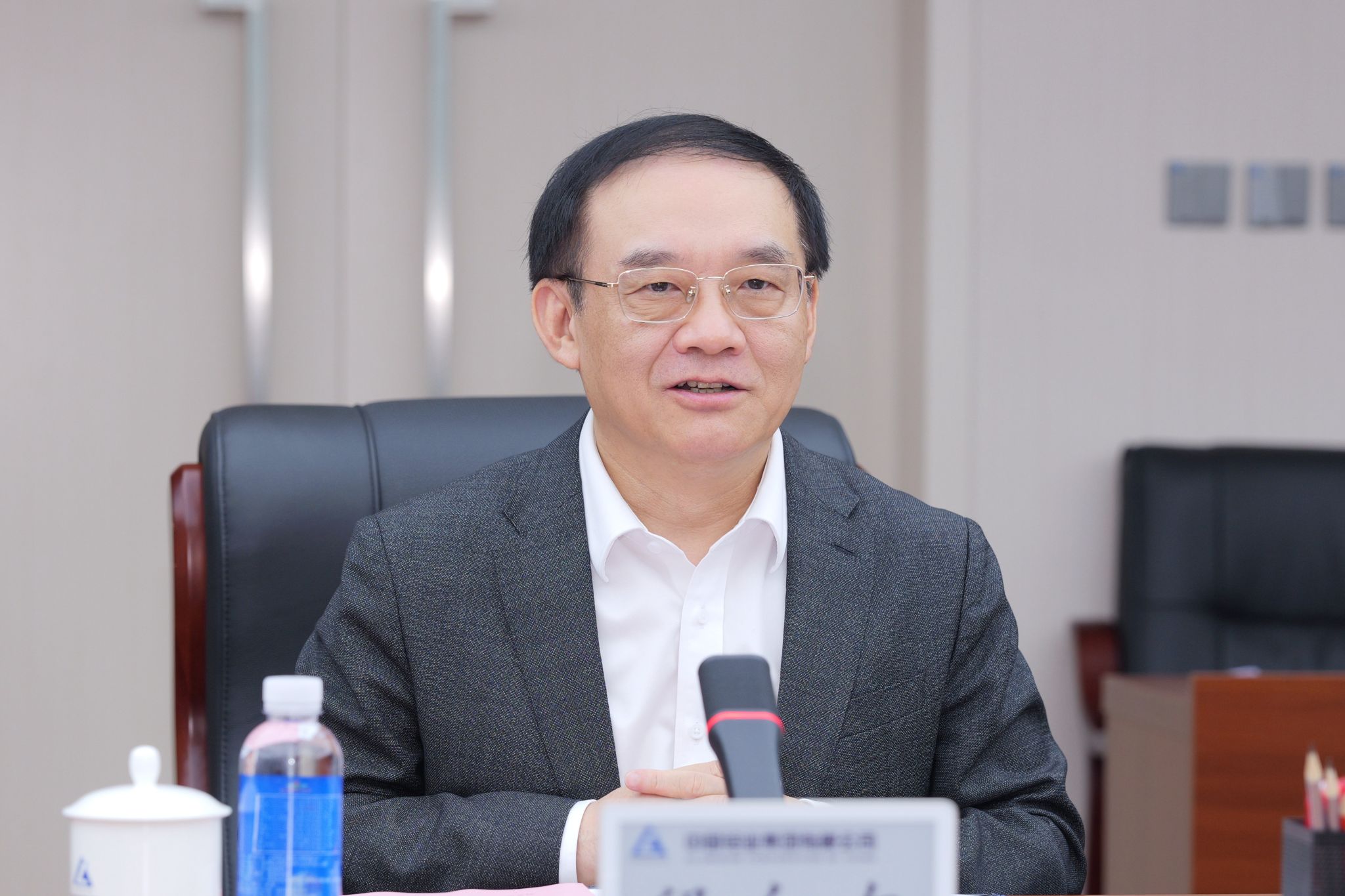
At Chinalco, Tan Tieniu briefly introduced NJU's rich cultural heritage, its outstanding scientific and technological talents, its growing academic reputation over its 120-year history, and its new developmental layout of "one university, two cities, four campuses." He highlighted the "three high" characteristics of the university: high academic productivity, high density of talents, and high per capita output. Tan Tieniu noted that both Chinalco and NJU are integral parts of the nation's strategic science and technology power and bear responsibilities of national importance. He emphasized the tremendous collaborative potential and promising future of the partnership. In recent years, NJU has vigorously developed new engineering disciplines, achieving fruitful results in areas such as artificial intelligence, geosciences, environment, new materials, and energy resources, which align closely with Chinalco's developmental needs. He expressed hopes that both parties would deepen pragmatic cooperation in fields such as scientific and technological breakthroughs, joint talent cultivation, and internationalization, contributing further to serving national strategic needs, promoting integration of scientific and industrial innovation, and driving significant advancements.
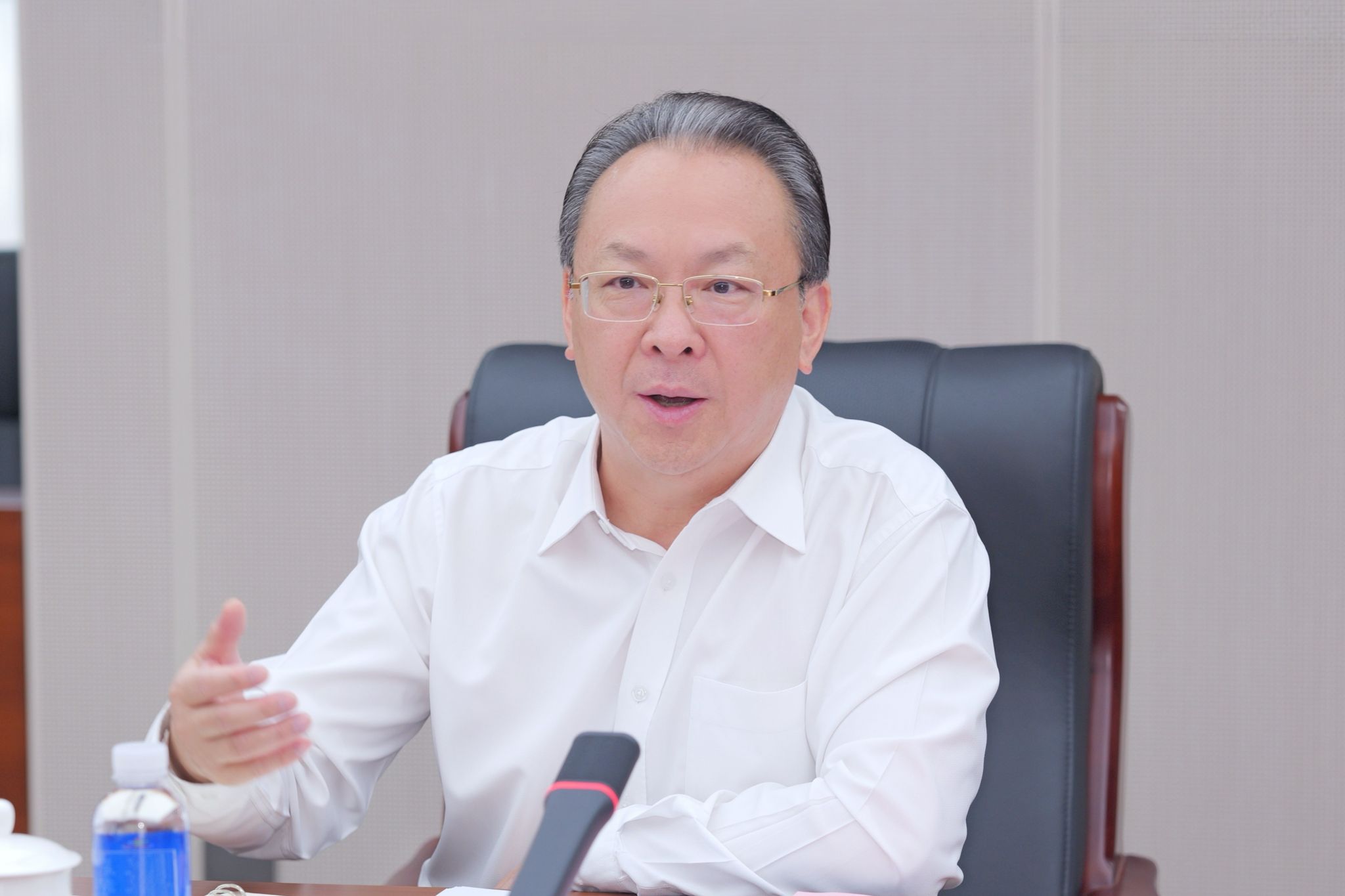
Duan Xiangdong elaborated on the achievements Chinalco has made in recent years by focusing on technological innovation, mineral resources, advanced high-end materials, and green, low-carbon digitalization, accelerating its development into a world-class mining and nonferrous metals enterprise. He recognized NJU's long history and profound heritage, its dedication to serving national strategies, and efforts to fast-track the achievement of high-level scientific and technological independence and self-reliance, demonstrating its role as a university leader. He expressed hopes that the two sides would take this meeting as a starting point to launch a deep cooperation initiative between the university and enterprise. Through measures such as signing strategic cooperation agreements, clarifying project lists, and establishing joint working groups, they could closely combine NJU's research strengths with Chinalco's application scenarios and developmental needs, advancing full-scale cooperation in fundamental research, results transformation, talent cultivation, and internationalization. He pledged efforts to expedite green and low-carbon transitions and digital empowerment, continuously creating new opportunities for high-quality development in the nonferrous metals industry.
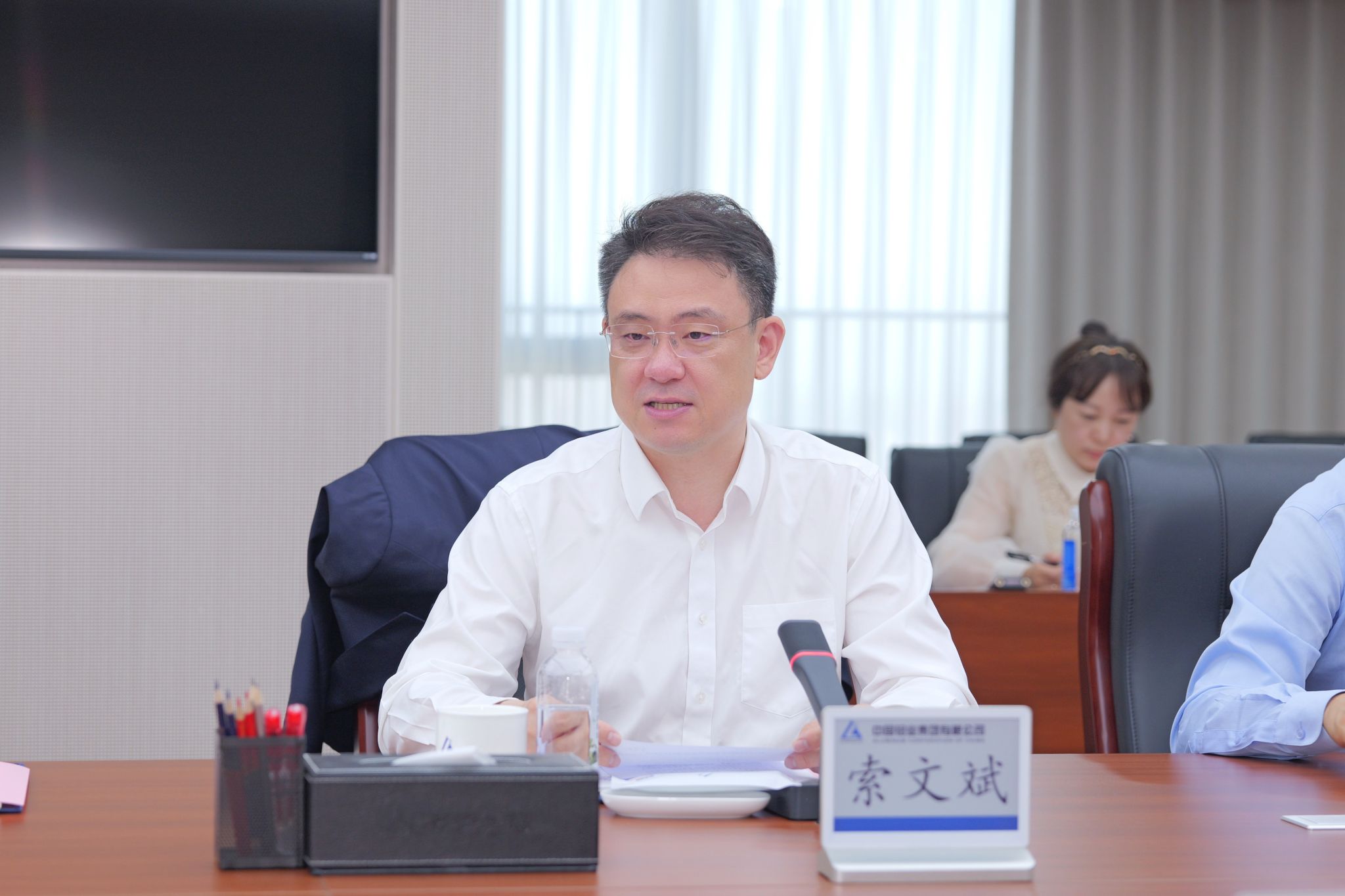
Suo Wenbin, Member of the Standing Committee of the CPC NJU Committee member and Vice President of NJU, envisioned future collaboration focus points and approaches, including technological breakthroughs, results transformation, and industrialization in fields like mineral resource exploration, industrial environmental governance, new materials development, and integration of artificial intelligence. He acknowledged joint talent cultivation and student internships and employment. Representatives attending engaged in active discussions on specific collaboration matters.
During the visit, Tan Tieniu and his delegation toured Chinalco's exhibition hall to understand the company's development history and latest achievements. Chinalco Party Leadership Group member and Vice General Manager Dong Jianxiong attended the discussion.
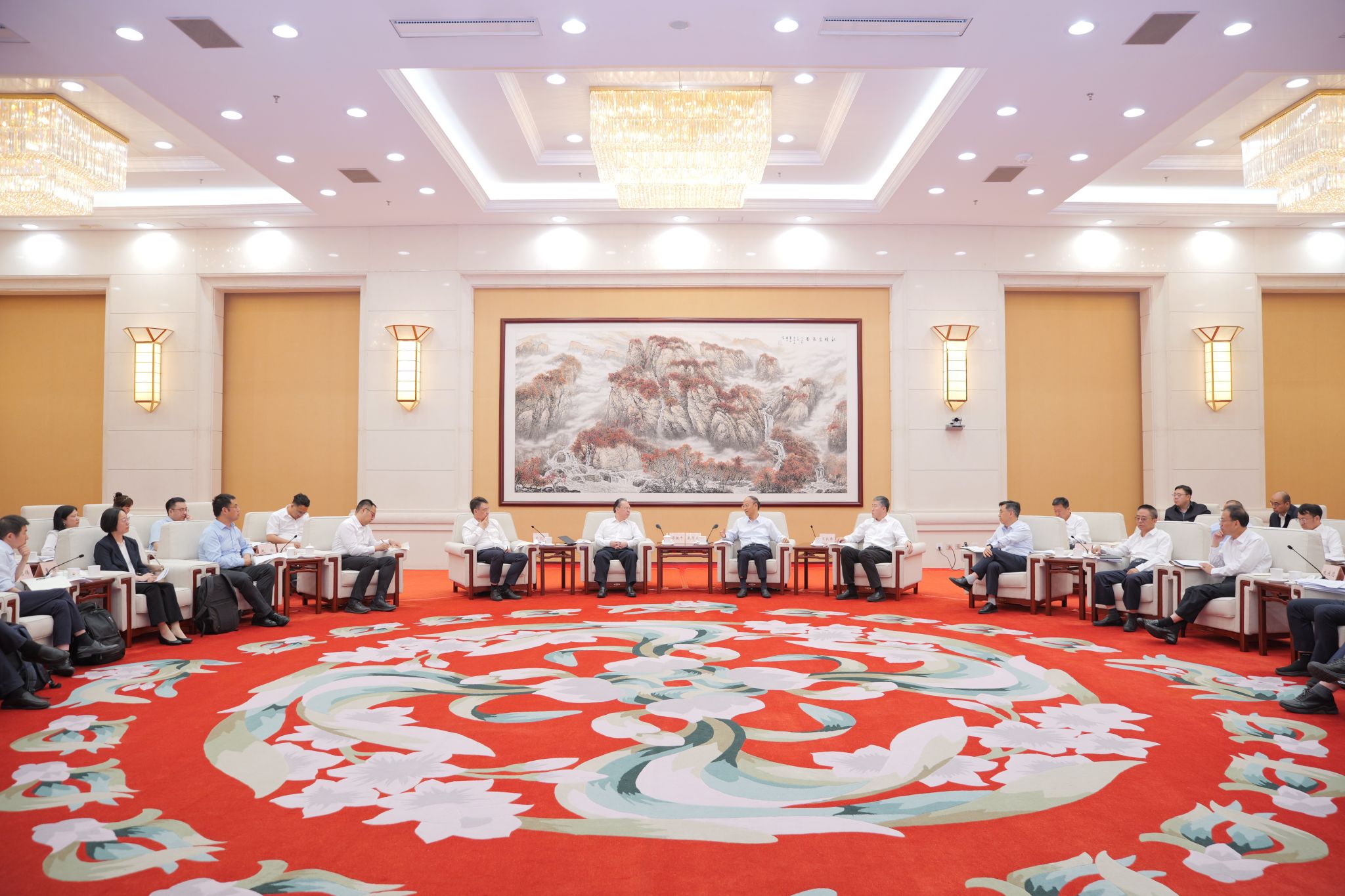
At CNPC, Tan Tieniu expressed gratitude for CNPC's enduring support for NJU and admiration for its outstanding contributions to ensuring national energy security. He outlined NJU's historical evolution, its tireless pursuit of excellence in education, and its ethos of sincerity, simplicity, strength, and diligence. Particularly in recent years, under the directives of instructions and important letters from President Xi Jinping, the university has implemented the "Forging Ahead Initiative", refined its distinctive layout of "one university, two cities, four campuses," and achieved notable results in developing new engineering disciplines. As part of China's strategic technological power, CNPC and NJU share common missions and have complementary positions, providing a sound foundation and broad prospects for cooperation. He expressed hopes that both parties would join forces, leverage their respective strengths, and together achieve new milestones in advancing China's high-level scientific and technological independence and self-reliance. He envisioned further contributions to the "national priorities," jointly composing a new chapter of university-enterprise cooperation in the new era.
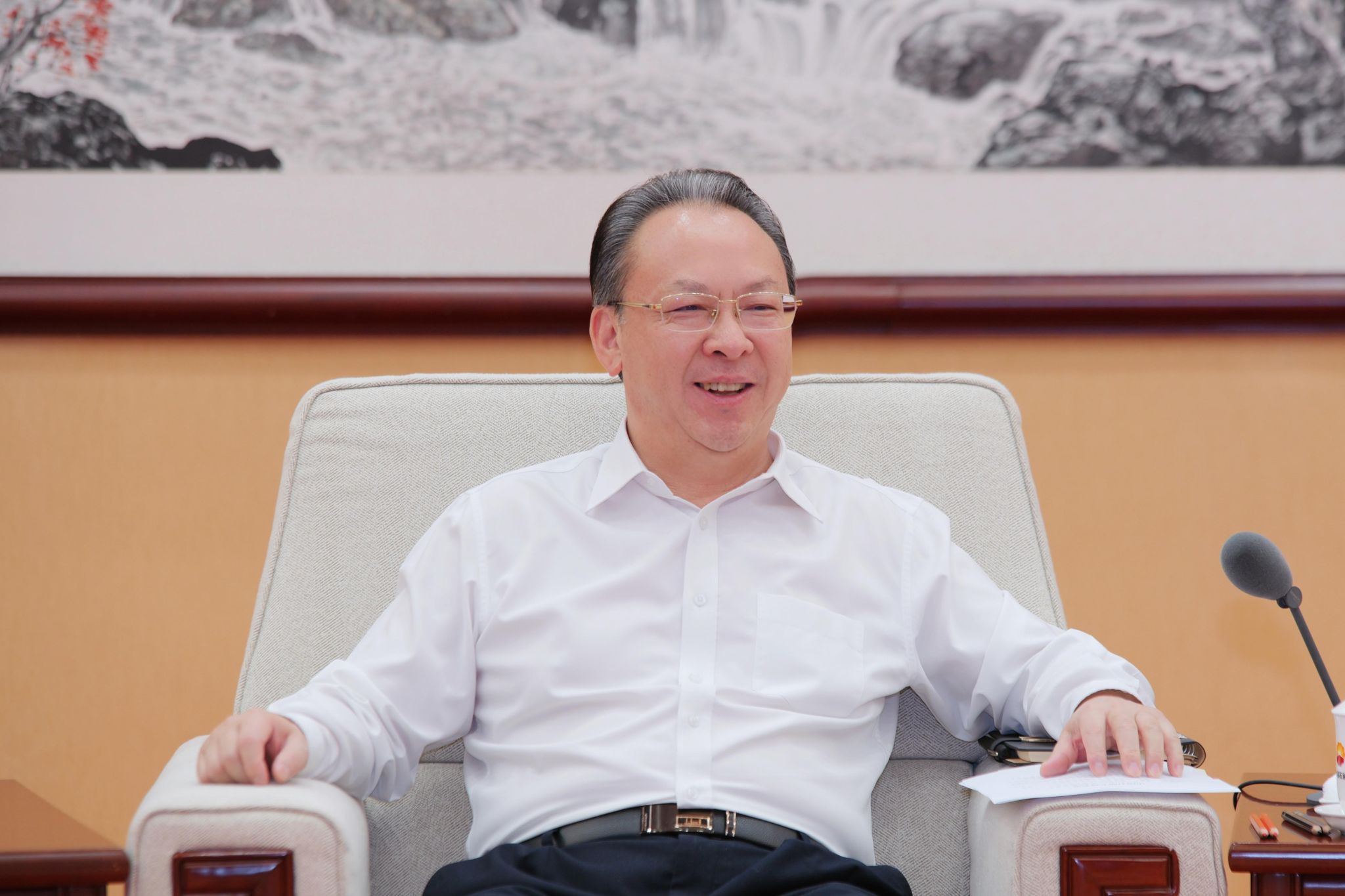
Dai Houliang warmly welcomed the NJU delegation and briefly introduced CNPC's history, mission, and four major business sectors. He noted that six members of CNPC's academician team are alumni of Nanjing University. He emphasized that top-tier enterprises require top-tier talent, recognizing NJU as a prestigious institution with profound cultural heritage and remarkable research strengths. With numerous world-leading disciplines, it shares extensive potential for collaboration with CNPC. He expressed hopes to strengthen joint foundational research in cutting-edge technological fields such as artificial intelligence, chemistry, chemical engineering, and life sciences through measures like co-building research platforms, joint talent cultivation, and promoting results transformation. Together, CNPC and NJU could deepen pragmatic cooperation, enhancing the nation's strategic technological power, achieving breakthroughs on the new journey of national strength and revitalization, and scaling new heights.
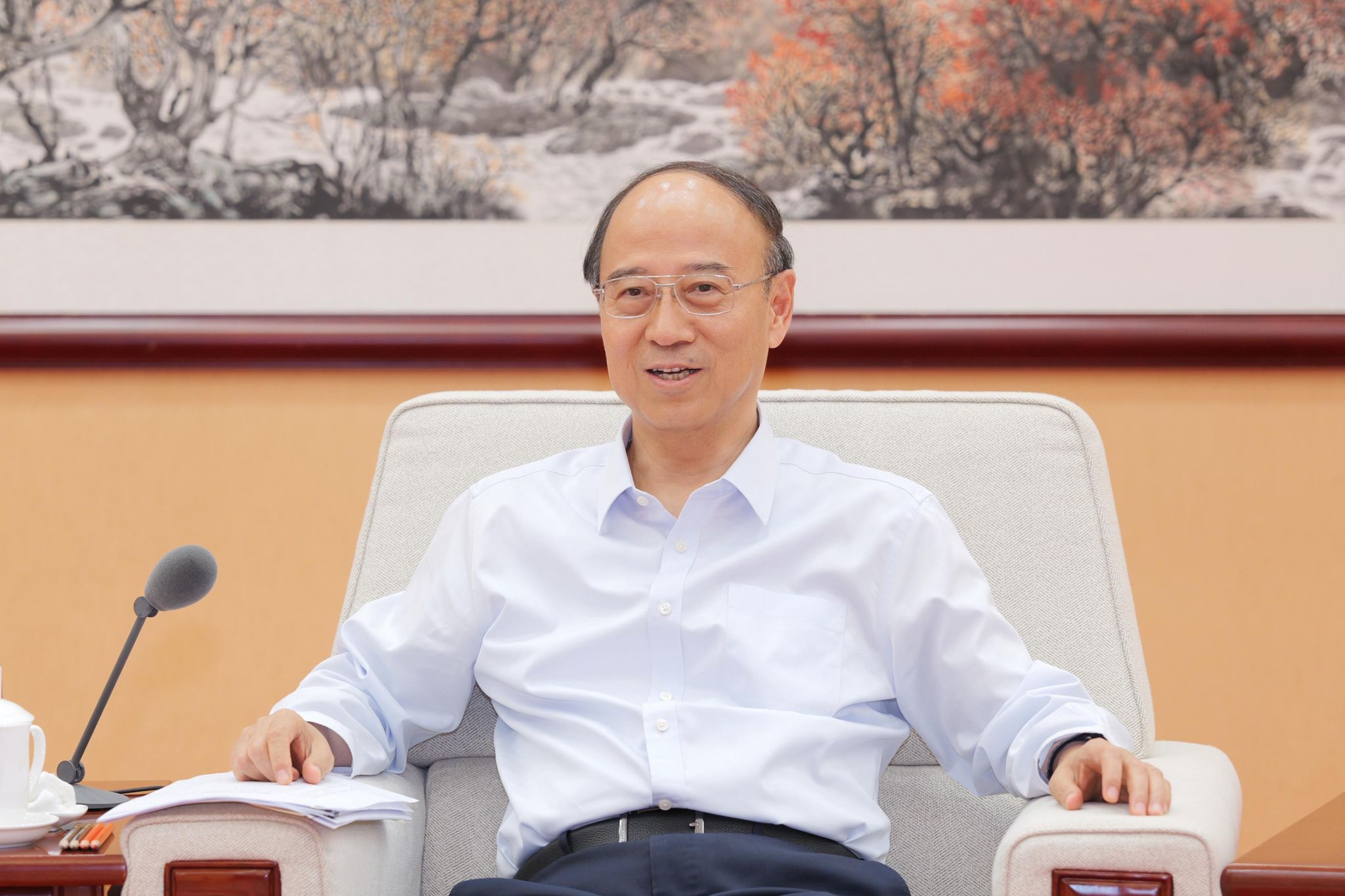
Suo Wenbin anticipated potential collaboration avenues such as co-establishing dialogue mechanisms between frontier disciplines and smart energy, creating a dual empowering framework for theory and practice in talent development, and pioneering innovative models for original breakthroughs and industrial upgrading. Participants exchanged and discussed relevant topics.


