As the spring breeze caresses the willows and the blossoms glow brightly, the Qingming Festival arrives as scheduled. To carry forward the China’s fine traditional culture and build a spiritual bond between Chinese and international students, the Psychological Center of Nanjing University hosted a special Qingming-themed handicraft workshop on the pleasant day of March 28th. Centering on making Qingtuan (green rice cakes) and bamboo weaving, the event invited Chinese and international students to a springtime gathering and feel the warmth of cultural integration through creative making.
Qingming is a profound cultural intersection where one of China's 24 solar terms converges with a time-honored festival of ancestral worship. It blends the tradition of the Cold Food Festival—abstaining from fire to honor and remember forebears—and the custom of the Shangsi Festival, which celebrates the spring awakening and the pursuit of spiritual purification in nature. Over time, two core practices have taken shape: tomb-sweeping for ancestor veneration, and spring outings. It embodies the Chinese cultural wisdom of honoring the past and living in harmony with nature.
This event centers on two representative Qingming-related cultural traditions. Qingtuan, a legacy of the ancient Cold Food Festival, serves as both a ritual offering and a classic spring delicacy. Made by kneading glutinous rice dough with wormwood juice and stuffed with a variety of sweet or savory fillings, these green cakes embody the Chinese reverence for the rhythm of the seasons. Bamboo weaving, an intangible cultural heritage craft with a millennium-long history, was once an essential skill for crafting daily utensils in ancient China. It holds the plain yet genuine wisdom of Eastern craftsmanship—turning natural bamboo into practical and artistic objects for daily life.
The event began with a cheerful round of "drum and flower passing", a traditional game that quickly broke the ice among Chinese and international students. Chinese participants shared vivid stories about Qingming customs and suggested scenic spots for spring outings during the holiday. In response, international students talked about memorial rituals and spring traditions from their own countries, exchanging how different cultures honor their beloved ones and celebrate the arrival of spring.
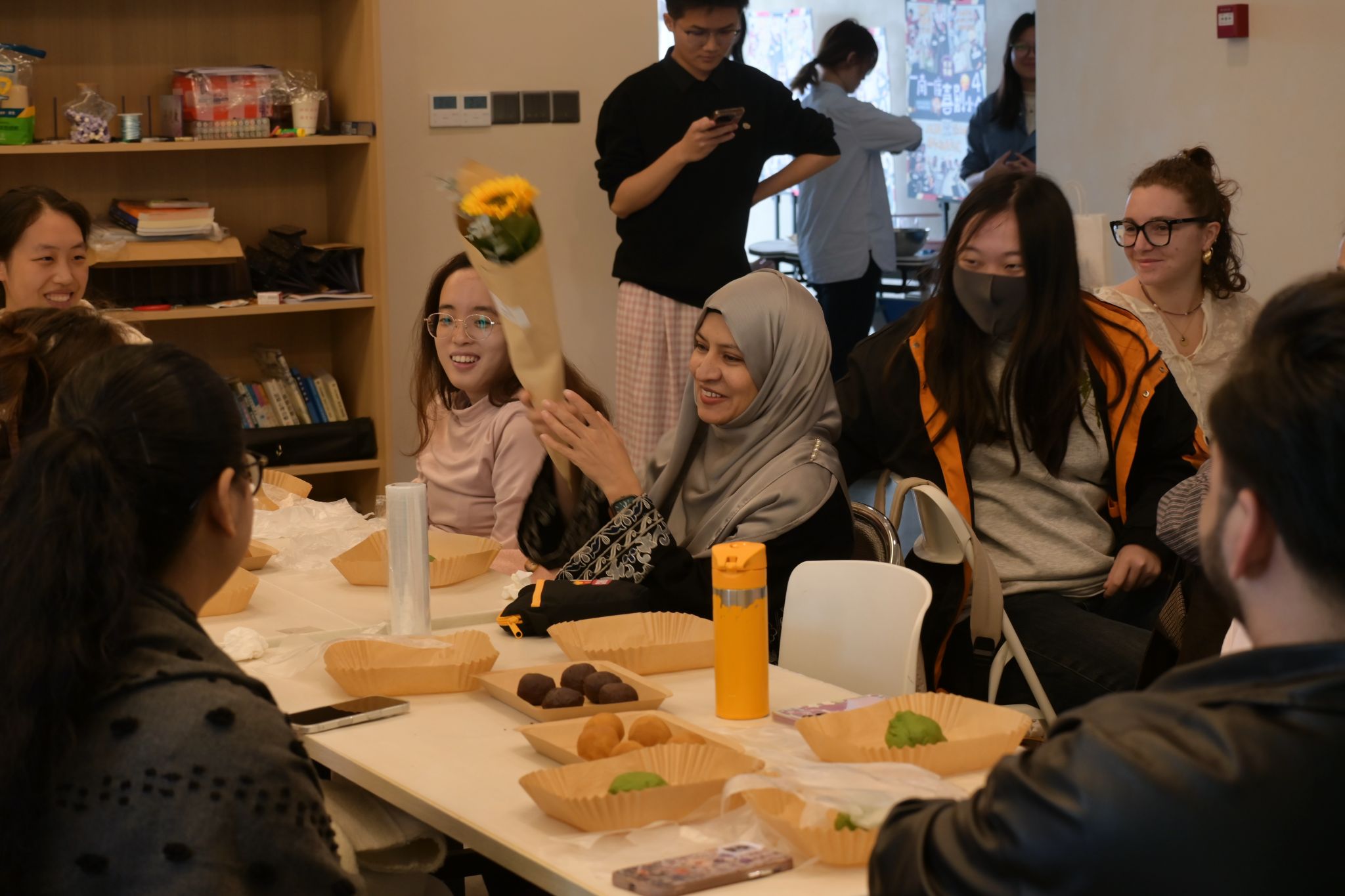
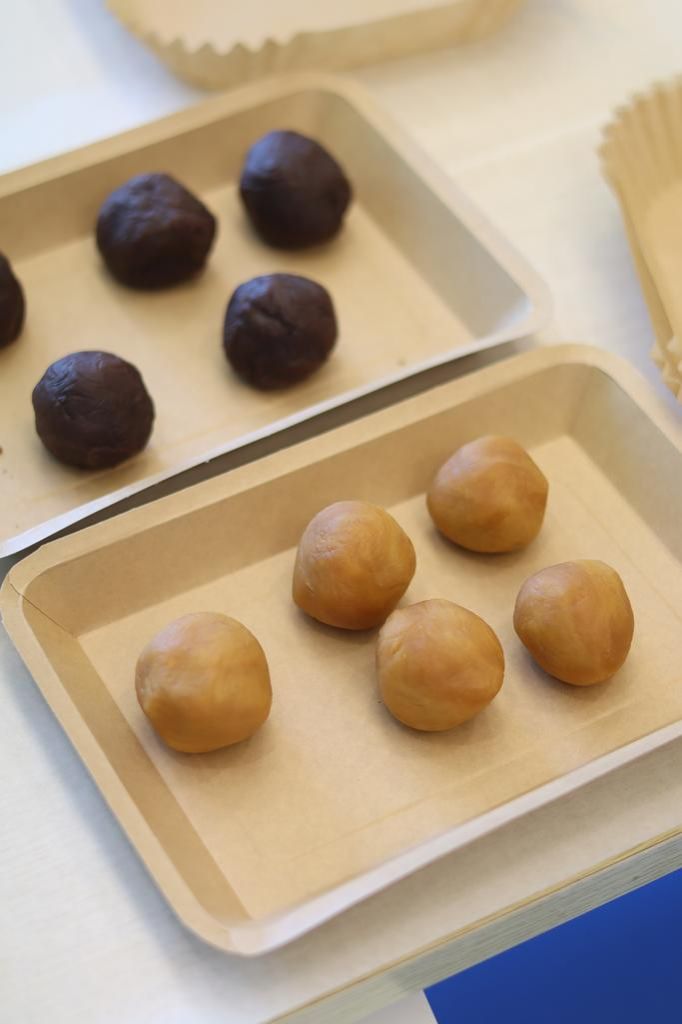
Handmade Qingtuan
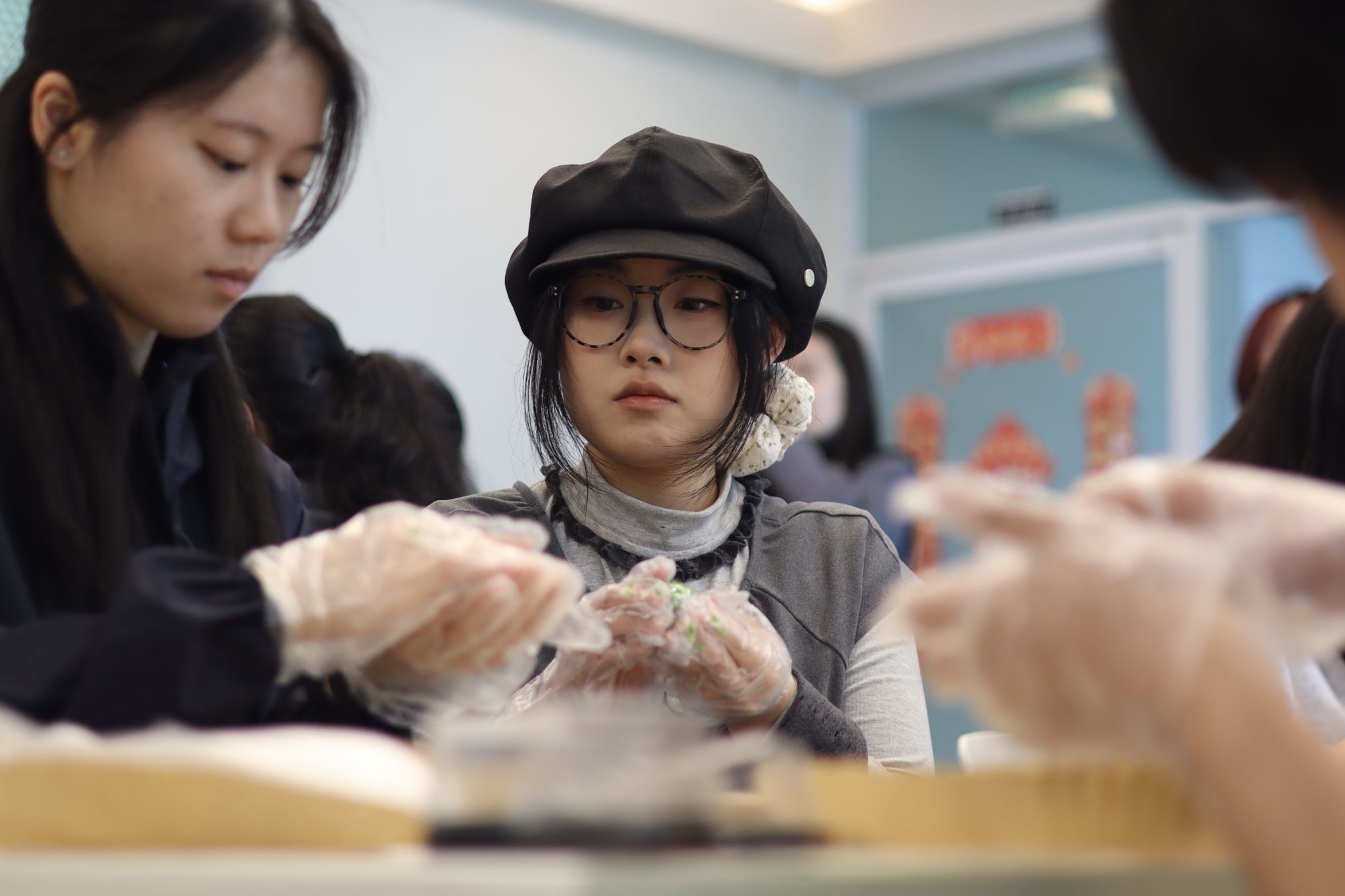
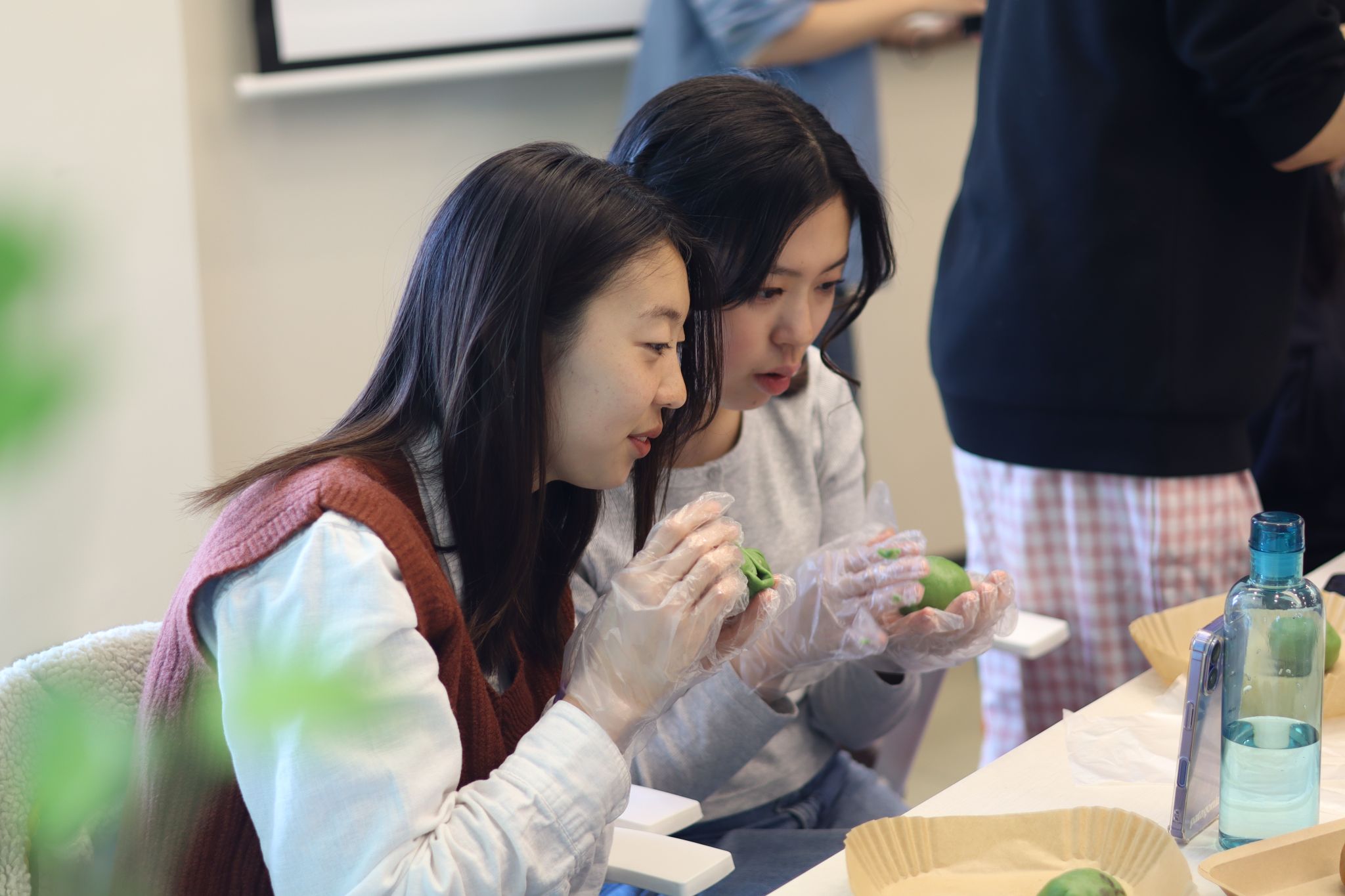
The Qingtuan-making session brought participants a delightful multisensory experience. After the staff demonstrated the full process—portioning fillings, kneading dough, and wrapping the cakes—students set to work, kneading the wormwood-infused glutinous rice dough until it was smooth and elastic. They shaped the dough into wrappers thin at the edges and thick in the center, filled them with red bean paste or pork floss, and sealed them neatly. Carrying the fresh fragrance of spring, the handmade qingtuan allowed everyone to feel the cultural warmth embedded in China's traditional cuisine.
Bamboo Weaving
Following the Qingtuan making session, the group moved on to traditional bamboo weaving. Chinese students introduced the long history of this craft to their international peers. Starting with basic weaving and securing, then moving on to creative decoration, slender bamboo strips shuttled and intertwined between their fingers. Students trimmed and shaped the woven pieces, turning flat strips into delicate curved boats, before adding tassels of their choice as finishing touches.
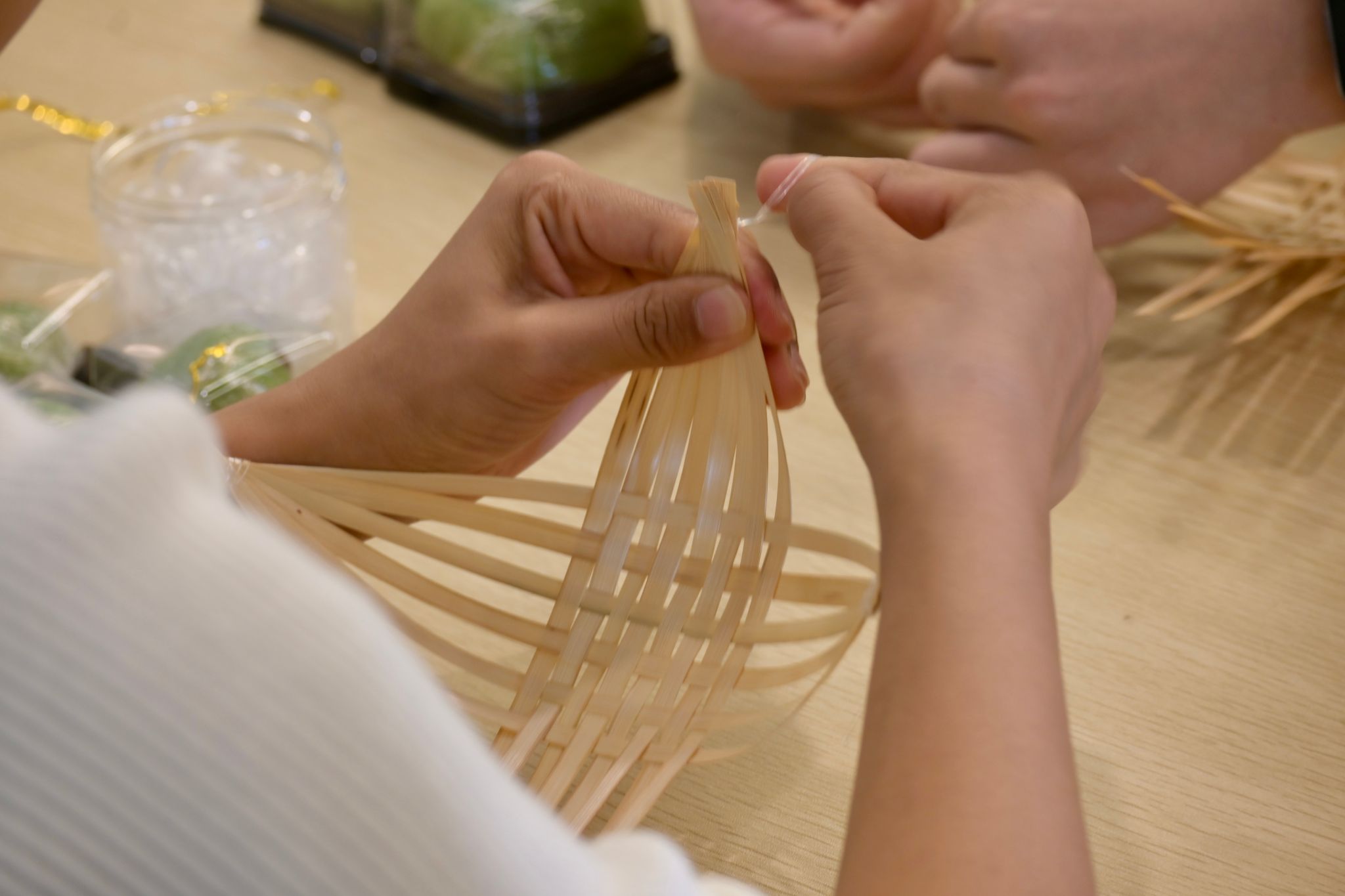
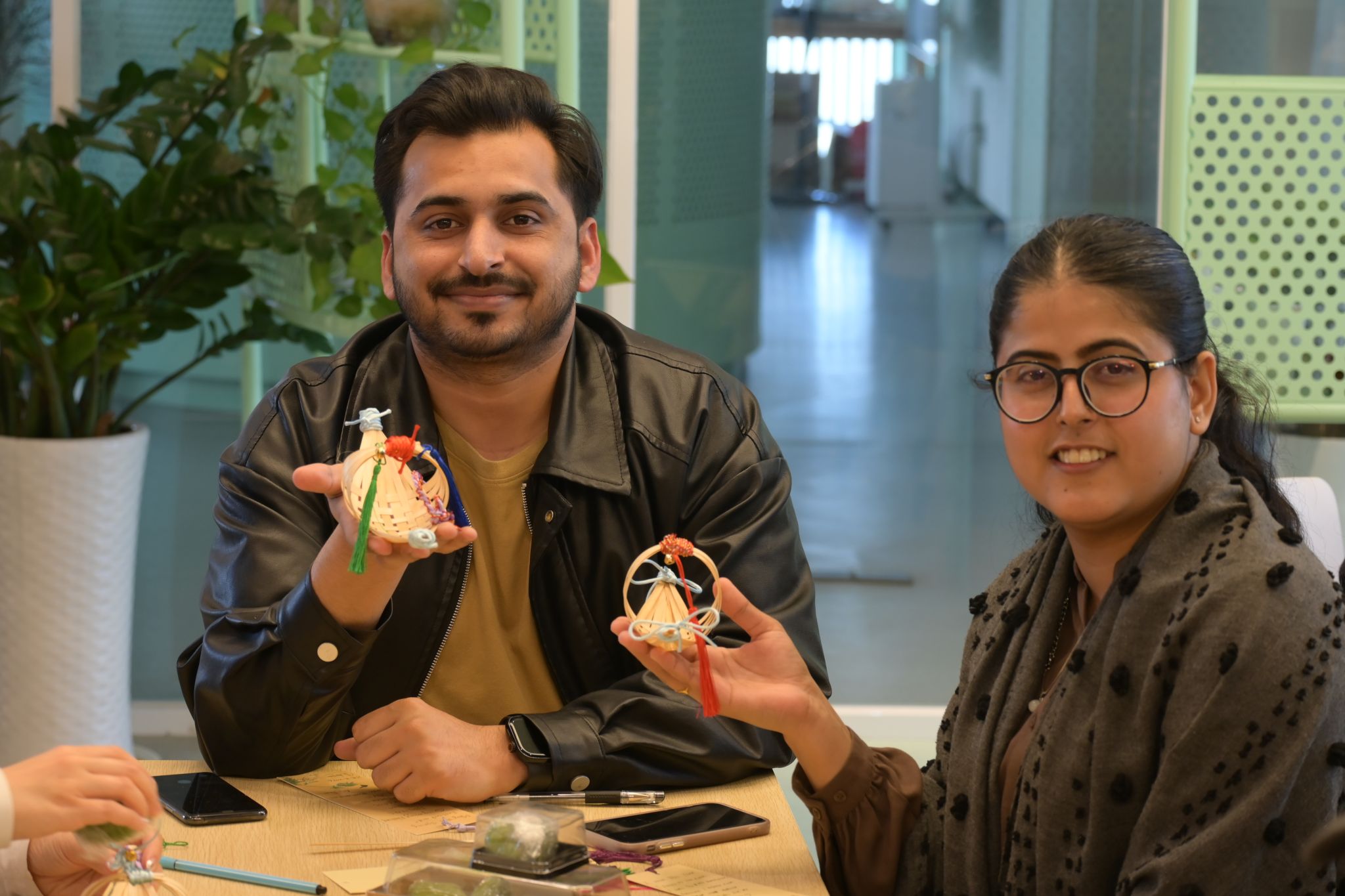
In the slow, gentle rhythm of weaving, minds calmed and hearts found peace. The craft brought gentle relaxation to both body and soul; as students worked side by side and shared their thoughts, this intangible cultural heritage breathed new life across cultural boundaries, while friendship between Chinese and international students deepened with each intertwined strip of bamboo.
Beyond the handicrafts came heartfelt conversations. People discussed about the joy of hands-on making, or shared hopes for life and what lay ahead. In that moment, lives from different worlds wove together, just like the slender bamboo strands beneath their fingers, merging into one soft, connected, harmonious whole.
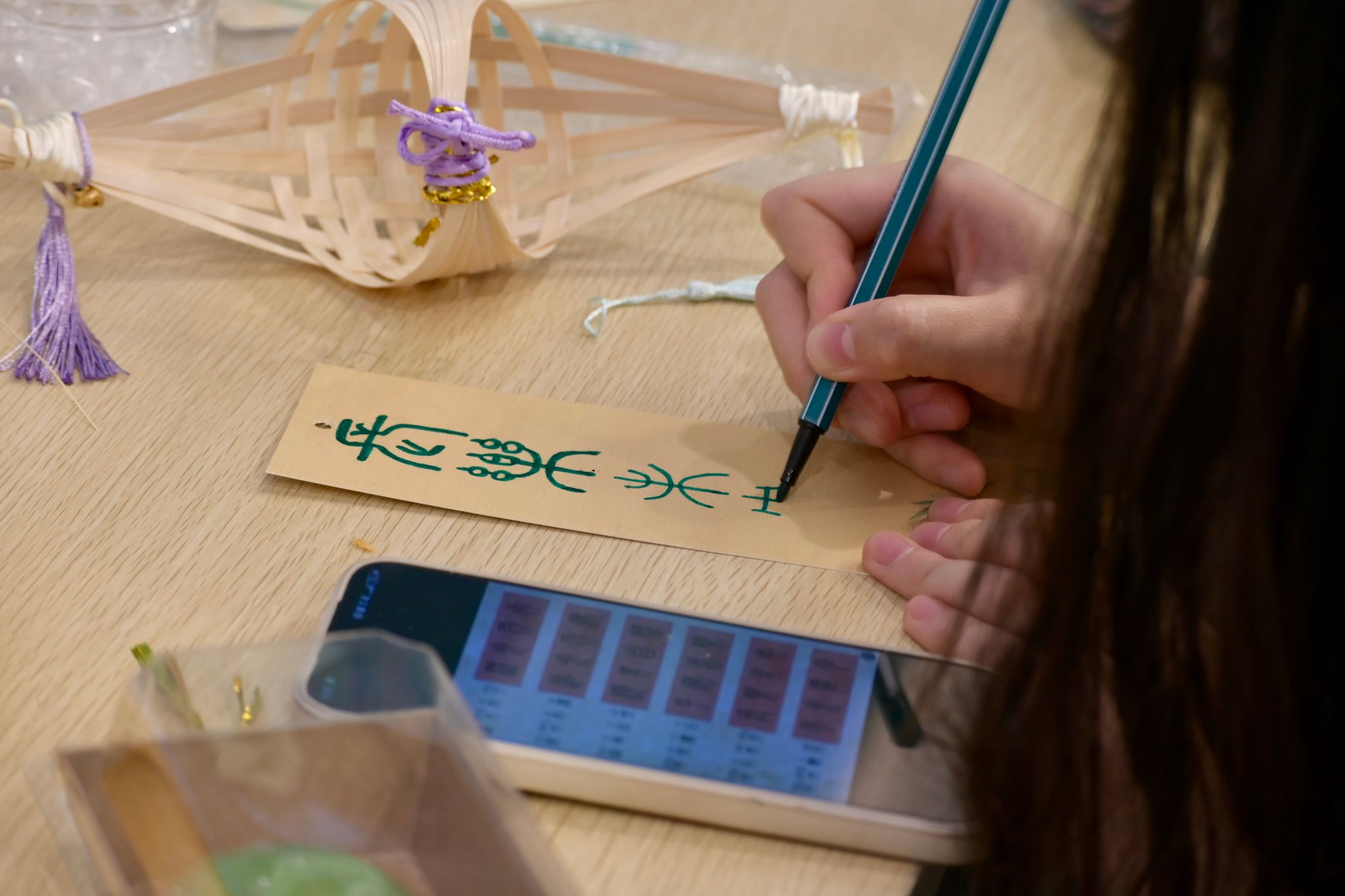
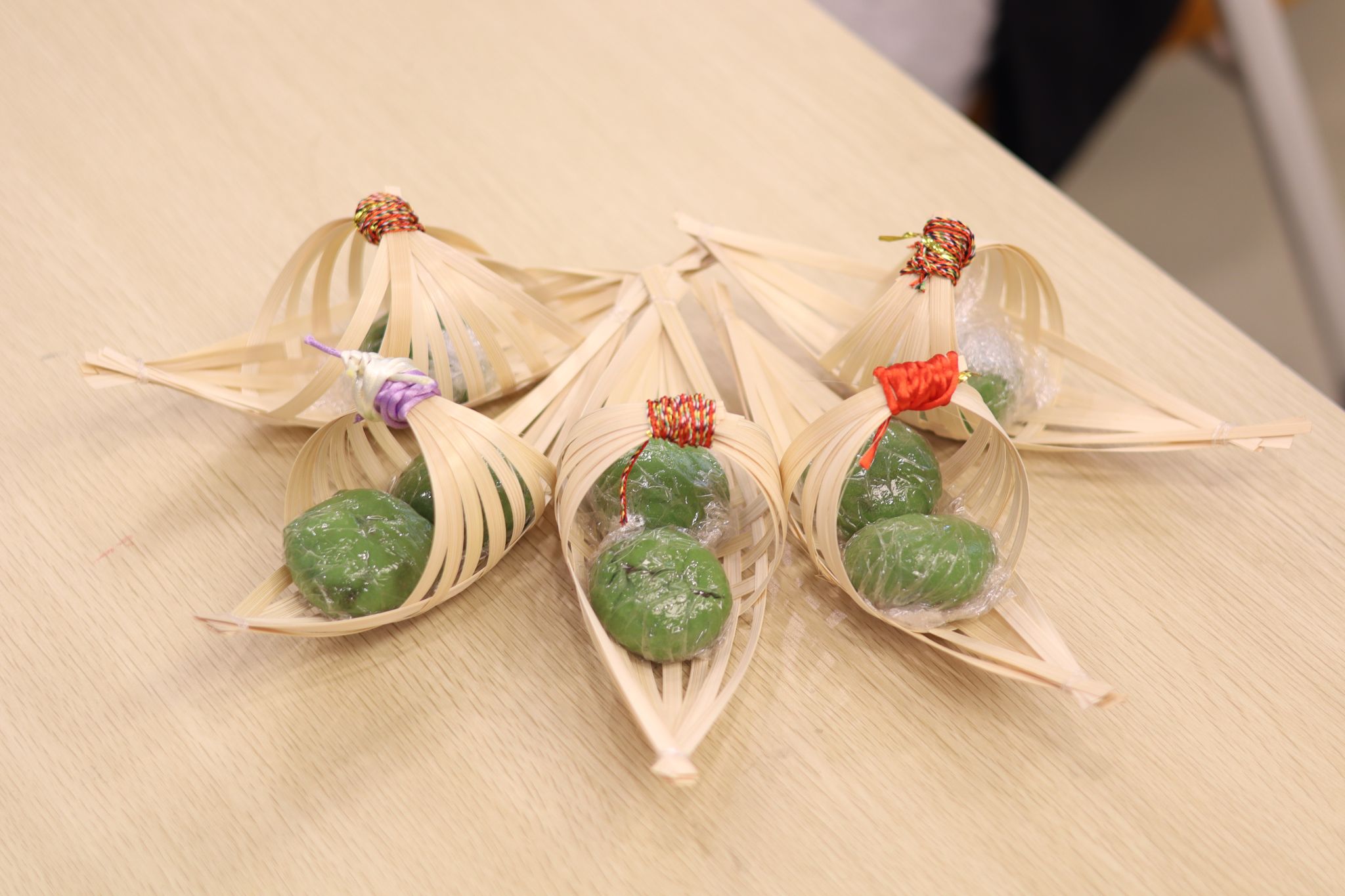
This event not only deepened participants’ understanding of Qingming's cultural meaning and traditions but also built a warm platform for cross-cultural exchange and companionship through handicrafts. The Psychological Center of Nanjing University remains committed to providing placatory psychological support and cultural experiences for all teachers and students.
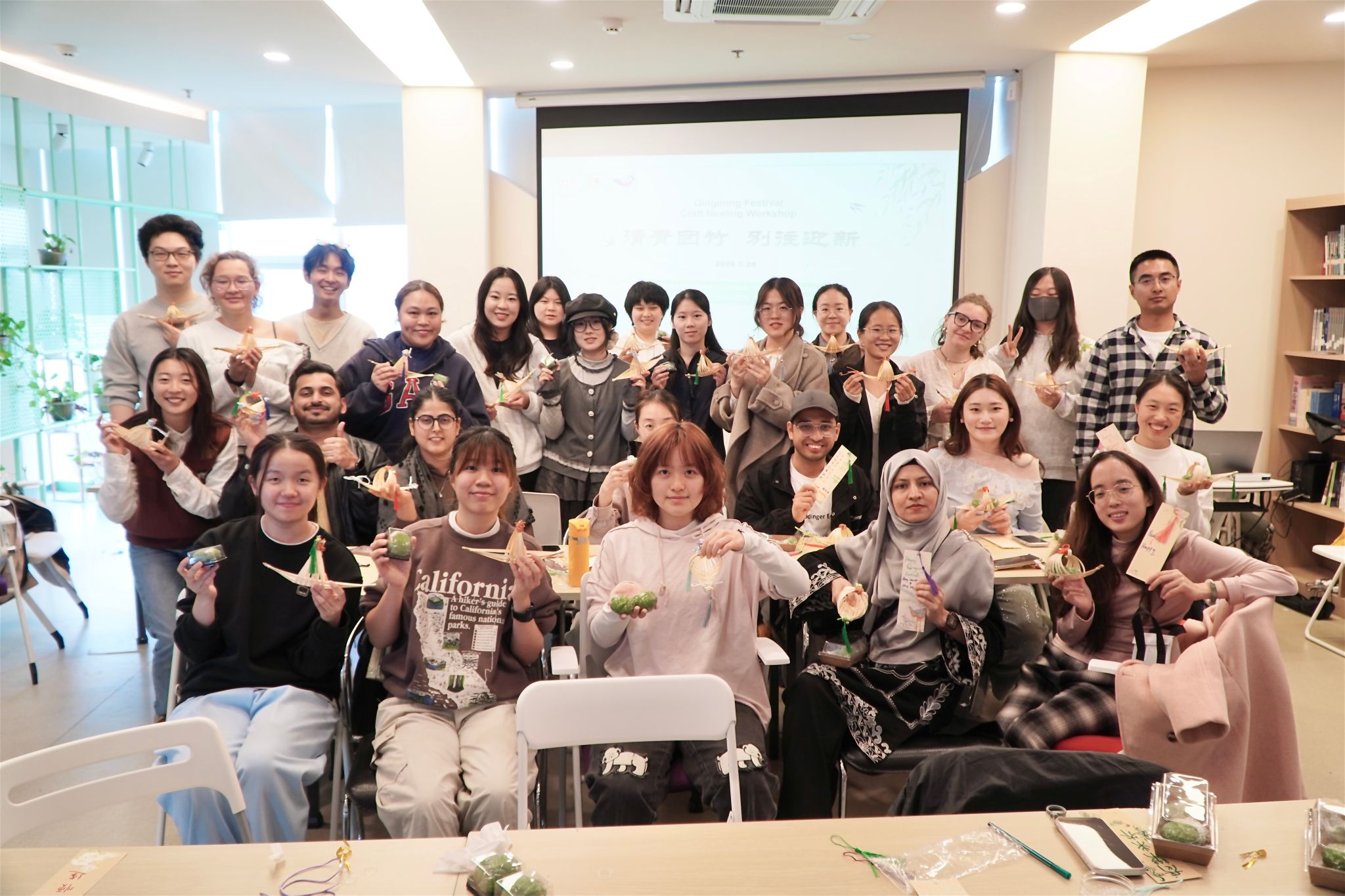
May we uphold traditions through remembrance, grow through mutual exchange, live up to the beauty of spring, and cherish every precious meeting.
Writer: Wang Ziyan
Photo: Zhao Chengying, Wang Chenyuan, Wang Ziyan, Ruan Jin Ying Yu
Editor: Guo Junlin


